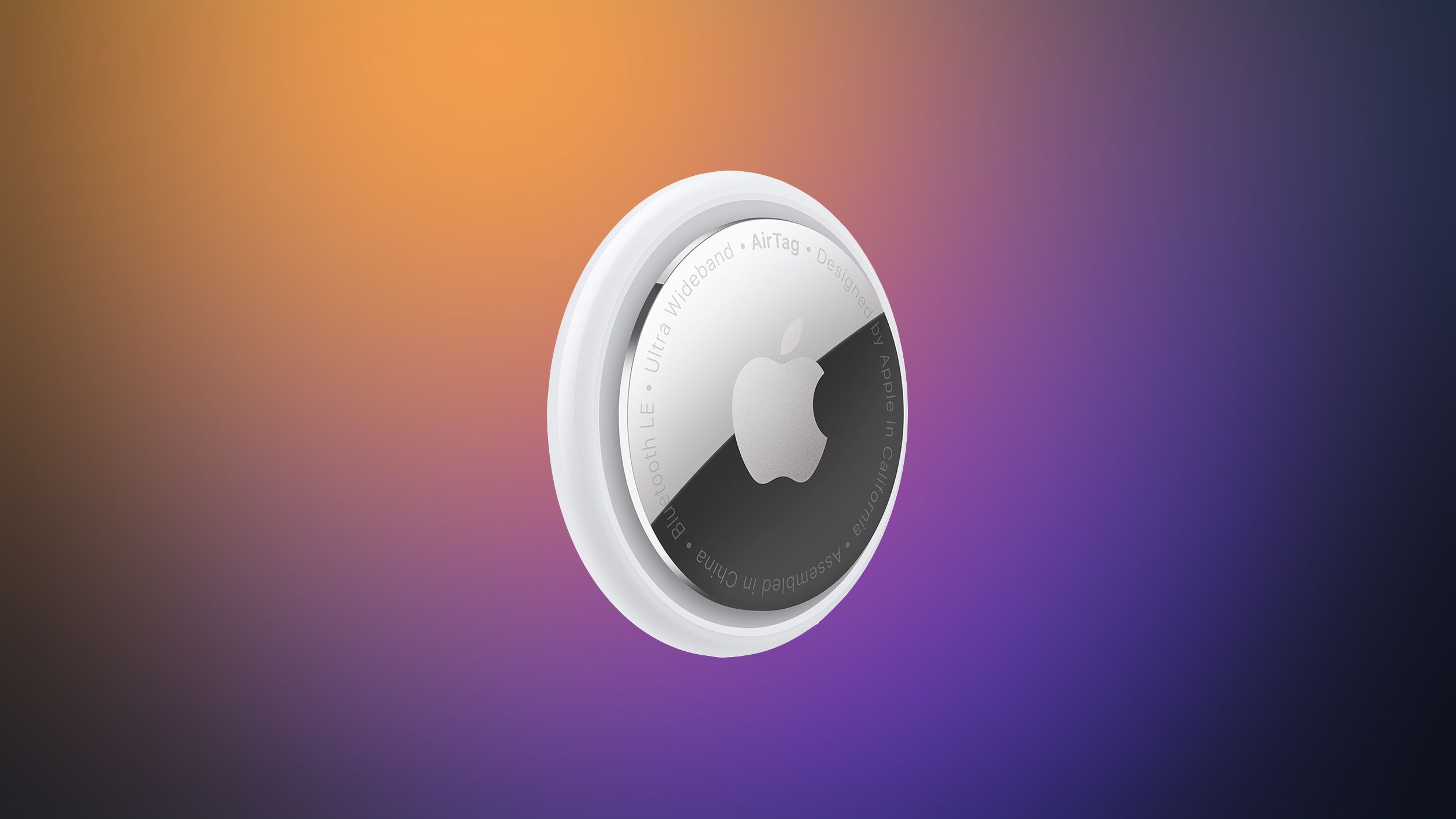
Apple is developing a small wearable "AI pin" about the size of an AirTag with an aluminum/glass shell, two front cameras (standard and wide-angle), three microphones, a speaker, a physical control button and wireless charging, reportedly intended to run a new Siri chatbot slated for iOS 27. The device may operate independently or be bundled with other hardware, faces competitive pressure from projects at OpenAI, Meta and Amazon, and could arrive as early as 2027, but development is early and subject to cancellation, leaving near-term commercial and financial implications for investors uncertain.
Market structure: Apple (AAPL) is the clear potential winner — it can use a low-volume, high-margin wearable to extend ecosystem lock-in and drive Services ARPU (estimate: +$1–$3/mo if 20–50M users adopt), while small AI-wearable startups and niche incumbents face accelerated displacement. Competitive dynamics favor Apple’s pricing power and channel reach; Meta (META) and Amazon (AMZN) face incremental share pressure in premium wearables but will remain competitive in AR/VR and voice-enabled devices. Supply/demand: initial supply likely constrained by optics/microphone and charging components, creating supplier pricing leverage for 12–24 months. Cross-asset: expect muted equity upside for mega-cap tech, a short-lived IV spike around WWDC/iOS 27, slight tightening in Apple’s credit spreads, and negligible commodity impact outside specialty components (precision optics).
Risk assessment: tail risks include EU/US privacy regulation, FCC hurdles, and product cancellation — any one could wipe out 20–40% of projected device-driven upside. Time horizons: immediate (days) = limited market move; short-term (weeks–months) = WWDC/iOS 27 reveal (June 2026) as information catalyst; long-term (12–36 months) = potential 2027 product launch and adoption curve. Hidden dependencies: services monetization, optics/battery suppliers, and retail bundling strategy. Watch catalysts: WWDC 2026, FCC filings, supplier shipment data over next 3–12 months.
trade implications: actionable bias is pro-AAPL but risk-managed. Establish a 2–3% portfolio long AAPL ahead of WWDC 2026 and add on positive product/supply confirmations; buy a modest Jan 2029 AAPL 10–15% OTM call spread (allocate 0.5–1% portfolio) to capture a 2027–2028 ramp while capping premium. Pair trade: overweight AAPL vs underweight/short META by 1–2% on a 6–18 month horizon to express product and ecosystem differentiation. Options: if iOS 27 reveal causes a >5% pop, sell near-term covered calls to harvest IV; else, if implied vol collapses post-reveal, add to LEAP call spreads.
contrarian angles: consensus underestimates that Apple’s pin may be strategic defense rather than immediate revenue driver — early sales may be modest (<5M units year one) yet still materially raise lifetime user engagement. Market may overprice winner-take-all hardware sales and underprice services upside; remember AirPods’ slow start then huge scale — small form-factor products can compound. Unintended consequences: privacy backlash or a high-profile recall could reverse gains quickly; set a hard stop if FCC/European regulators open formal probes or first-year shipments fall below 5M.
AI-powered research, real-time alerts, and portfolio analytics for institutional investors.
Request DemoOverall Sentiment
neutral
Sentiment Score
0.10
Ticker Sentiment
