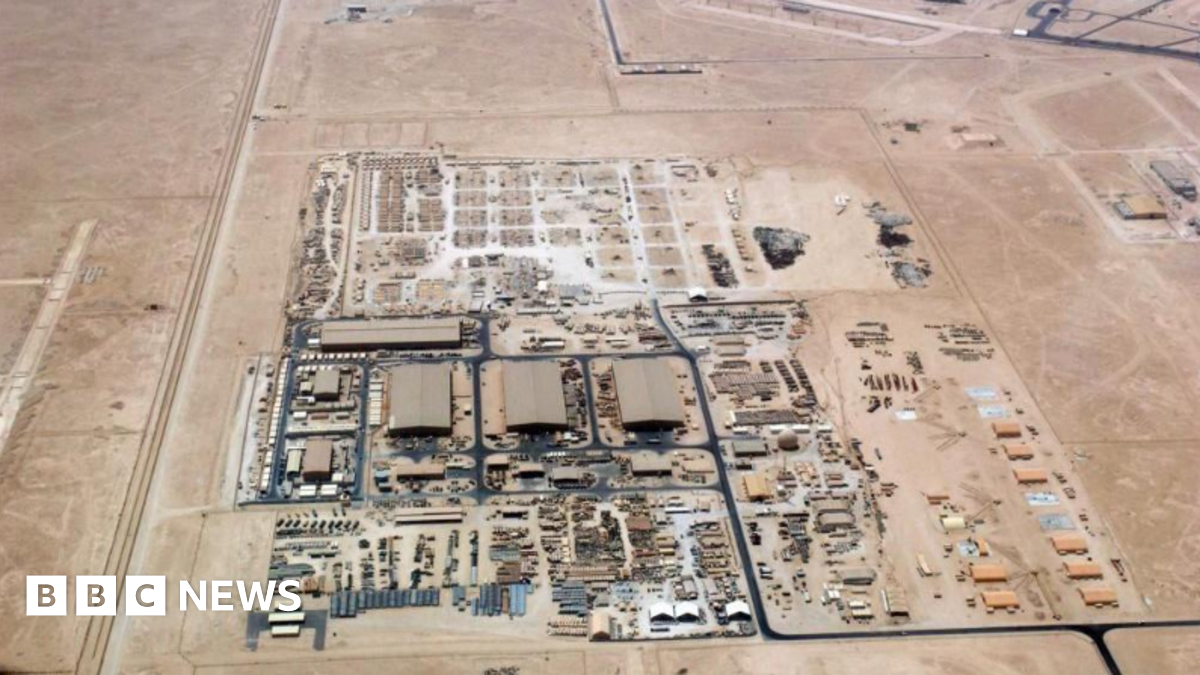
Iran launched missiles at the Al-Udeid US military base in Qatar, citing retaliation for recent American strikes on its nuclear facilities. Despite varying reports on missile numbers, all were reportedly intercepted, resulting in no casualties or significant damage. Crucially, Iranian officials reportedly provided advance warning to Qatar, a detail acknowledged by President Trump, which allowed for pre-emptive measures and averted harm, indicating a potential, albeit fragile, de-escalation dynamic amidst heightened US-Iran-Israel regional tensions.
Iran's missile attack on the Al-Udeid US military base in Qatar, framed as retaliation for US strikes on its nuclear facilities, was a highly calibrated event designed to signal intent while avoiding major escalation. Despite conflicting reports on the number of missiles fired—ranging from six to nineteen—all were reportedly intercepted, resulting in no casualties and minimal damage. A critical mitigating factor, reported by the New York Times, was that Iran provided advance warning to Qatar, an action President Trump acknowledged and which allowed for defensive preparations. This suggests a deliberate attempt by Tehran to conduct a performative strike that satisfies domestic political needs without triggering a full-scale military response. However, the event underscores the extreme regional tension, with Qatar calling the attack a 'flagrant violation of its sovereignty' even as the US downplayed its severity. The temporary closure of airspace by Qatar, a major global aviation hub, also highlights the immediate disruptive impact such conflicts can have on international commerce and logistics, even when direct military engagement is contained.
AI-powered research, real-time alerts, and portfolio analytics for institutional investors.
Request DemoOverall Sentiment
mixed
Sentiment Score
0.00
Ticker Sentiment
