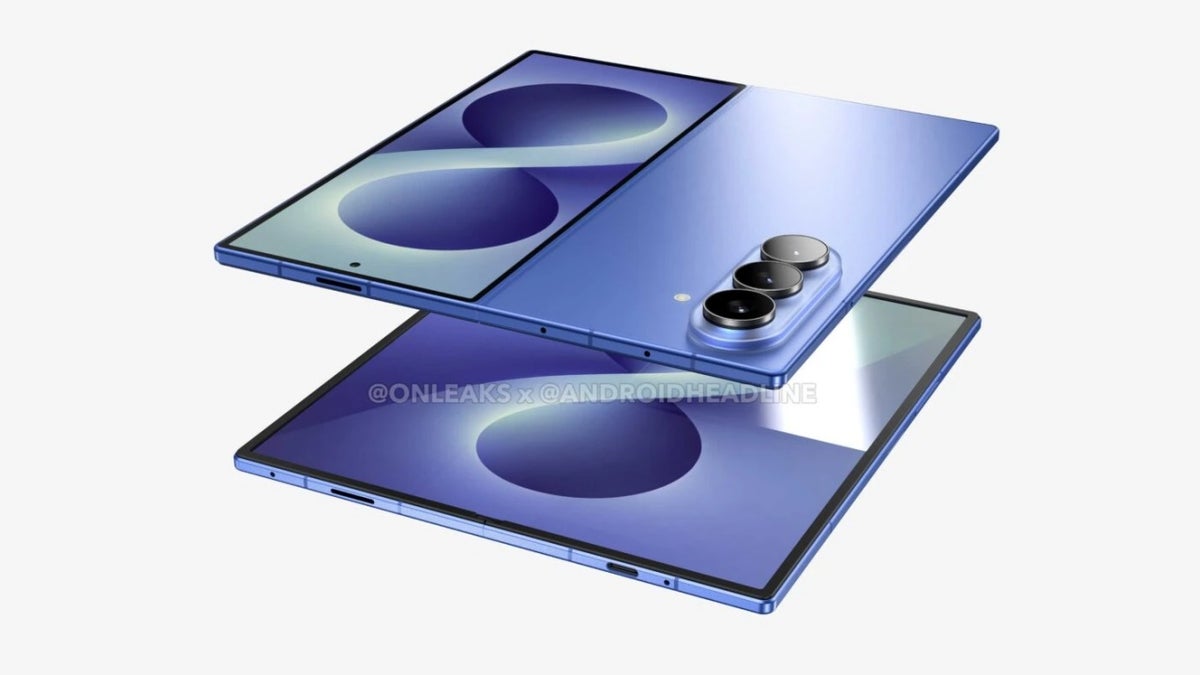
Samsung’s upcoming Galaxy Z Fold 8 is rumored to get meaningful upgrades, including a 50MP ultra-wide camera, a 5,000mAh battery versus 4,400mAh, and faster 45W charging, while keeping 8-inch and 6.5-inch displays. The Z Fold Wide variant is expected to be cheaper with a 50MP main camera, 4,800mAh battery, and a 7.6-inch 4:3 screen, but with fewer camera features. The article is largely speculative and product-focused, with potential implications for Samsung’s foldable competitiveness ahead of the rumored July 22 launch and the expected iPhone Ultra later this year.
The incremental spec upgrades matter less for handset demand than for Samsung's ability to defend premium pricing in a category where form factor parity is already high. The real economic lever is not the delta between the two Samsung models, but whether Samsung can keep gross-margin mix elevated by using camera and battery improvements to justify ASPs while preserving a thinner chassis narrative that supports upgrade urgency in a stagnant smartphone market.
The bigger second-order issue is competitive timing versus Apple. If Apple’s foldable lands within one upgrade cycle of Samsung’s launch, Samsung risks becoming the product leader but not the category owner — a classic share-of-wallet problem where early adopters wait for the Apple ecosystem version and OEM differentiation gets commoditized. That would pressure Android ecosystem attach rates, accessory revenues, and carrier subsidy efficiency across the entire premium Android stack over the next 2-4 quarters.
Supply-chain implication: higher battery capacity and smaller industrial design usually force tighter component sourcing and yield management, which tends to favor best-in-class suppliers and penalize second-tier peers. If Samsung is truly pushing thinner/lighter hardware while expanding battery/camera specs, the near-term bottleneck is likely advanced packaging, camera modules, and battery materials rather than display panels; that creates a more selective winners basket than a broad handset rally.
The contrarian read is that the market may be overestimating launch-day enthusiasm and underestimating replacement-cycle fatigue. Foldables remain a niche within premium smartphones, so the upside from better specs is mostly about protecting share, not expanding the TAM meaningfully. If Apple slips its foldable launch by 6-12 months, Samsung can win a cleaner window; if not, the best trade may be fading enthusiasm after the launch event rather than chasing it.
AI-powered research, real-time alerts, and portfolio analytics for institutional investors.
Request DemoOverall Sentiment
mildly positive
Sentiment Score
0.18
Ticker Sentiment
