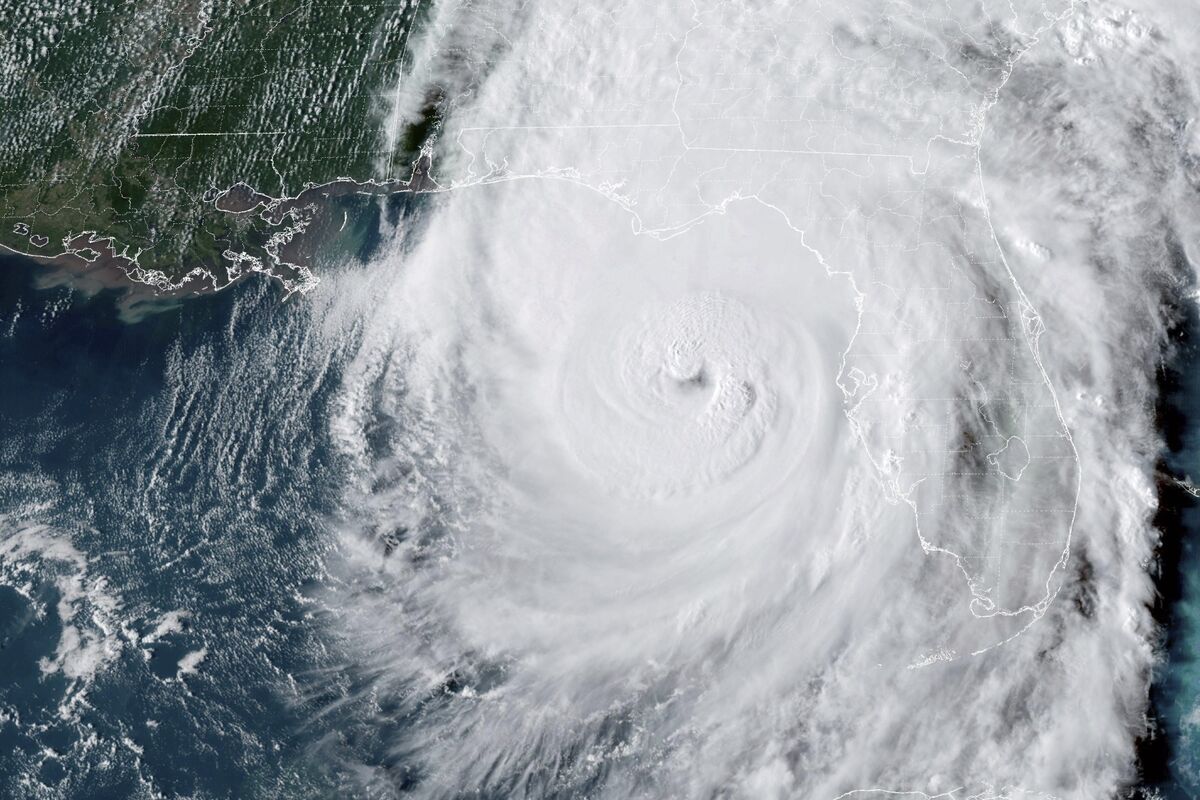
Atlantic hurricane forecasts for the current season are being scaled back from initial predictions of an overactive year, even as the peak storm season approaches. Forecasters are reportedly struggling to accurately pin down activity amidst a 'peculiar 2024' and challenges exacerbated by US weather agency cutbacks. This revised outlook, coupled with persistent forecasting difficulties, introduces significant uncertainty for sectors sensitive to weather events, notably insurance and energy markets.
Initial forecasts for an overactive Atlantic hurricane season are being scaled back, yet this revision is accompanied by significant uncertainty as forecasters report difficulties in making accurate predictions for what is described as a 'peculiar 2024'. This forecasting challenge is reportedly compounded by cutbacks at the US weather agency, introducing a layer of operational risk to meteorological projections. As the peak storm season approaches, the ambiguity in storm frequency and intensity carries direct implications for sectors sensitive to weather-related disruptions. Specifically, the insurance and energy industries face a volatile outlook; while a milder season could reduce claims for P&C insurers and minimize operational downtime for coastal energy infrastructure, the low confidence in these forecasts means that the risk of a sudden, unpredicted severe storm remains elevated.
AI-powered research, real-time alerts, and portfolio analytics for institutional investors.
Request DemoOverall Sentiment
mixed
Sentiment Score
-0.10
