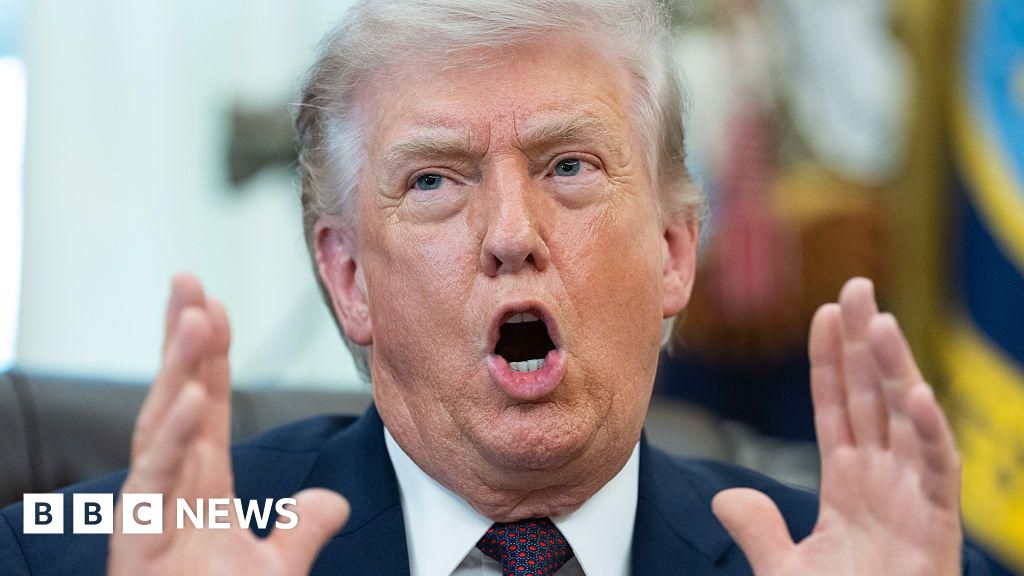
Trump's primetime address on the Iran war tonight is a high-impact event that increases policy uncertainty after he suggested the conflict could end in "two to three" weeks while also threatening major escalation. U.S. petrol prices have crossed an average of $4.00/gal and a Reuters poll shows roughly two-thirds (~66%) of Americans want a swift wrap-up, amplifying domestic political pressure ahead of midterms. Expect elevated risk-off flows and pronounced volatility in oil and defense-related assets, with potential market-wide repercussions given risks to the Strait of Hormuz and U.S. alliance cohesion.
Uncertainty about next policy moves is compressing decision windows and elevating risk premia in real assets and insurance-exposed sectors. Markets implicitly price a bimodal outcome: a near-term, politically expedient de-escalation that knocks down risk premia quickly, or a sequence of asymmetric shocks (sanctions, maritime interdictions, targeted strikes) that create step-function jumps in energy and freight prices. Physical tightness is the real lever — even a short-lived closure or insurance shock to the Strait/sea lanes can reroute 3-7% of seaborne oil flows for weeks, translating into double-digit percent moves in freight rates and $8–$15/bbl spikes in Brent on limited spare capacity.
The policy calculus compresses time horizons for investors: days-to-weeks catalysts (official statements, tactical strikes, sanctions lists, chartering disruptions) dominate P&L versus structural re-rating themes that play out over quarters (capex reallocation to US E&P, defense budget revisions, reshoring of critical supply chains). Tail outcomes are asymmetric — a quick political “victory” materially reduces downside but leaves the door open to episodic volatility; prolonged conflict shifts corporate capex and insurance costs for 12–24 months. Volatility itself becomes a tradeable asset: implied vols for energy, defense contractors, and transport names will reprice faster than earnings, creating options-rich opportunities.
Crowding is concentrated: energy producers and defense contractors often rally on headline risk while downstream and consumer cyclical names underperform; shipping and insurance markets reprice on a lag, creating transient alpha windows. The right defensive overlay is gamma/vega exposure rather than static longs — buy optionality into energy and insurance names and use directional pairs (energy long / consumer cyclical short) to capture skew changes while keeping gross exposure controlled. Monitor freight indices, tanker insurance rates, and short-term political calendar as primary tactical triggers over the next 2–12 weeks.
AI-powered research, real-time alerts, and portfolio analytics for institutional investors.
Request DemoOverall Sentiment
strongly negative
Sentiment Score
-0.60
