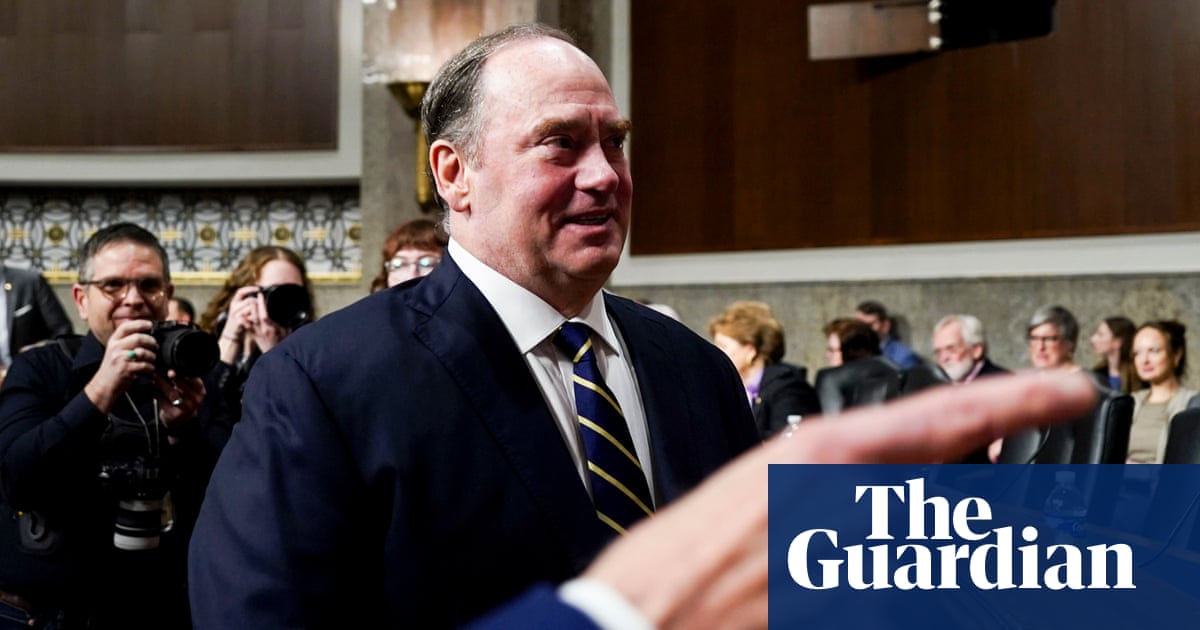
The Trump administration ousted Navy Secretary John Phelan amid an internal shipbuilding dispute, with reports citing poor relationships with senior Pentagon leaders, slow progress on shipbuilding reforms, and an ethics probe. The move comes as Iran’s Revolutionary Guard seized two container ships in the Strait of Hormuz, where roughly 20% of global seaborne oil trade passes, heightening geopolitical and logistics risk. Acting Navy Secretary Hung Cao has been named as Phelan’s replacement.
This is less a single personnel event than evidence of a governance regime shift inside the Pentagon: control is consolidating toward a smaller circle that appears willing to subordinate process, oversight, and service-level autonomy to speed and political loyalty. That usually helps politically connected prime contractors in the very short run because decision rights compress and procurement bottlenecks move from committee-driven to person-driven; it also raises execution risk because a churned chain of command slows program milestones by weeks to months even when the headline intent is to accelerate reform.
The second-order effect is on shipbuilding and naval industrial capacity, where the marginal winner is not necessarily the largest defense integrator but the firms with the cleanest backlog, strongest labor availability, and least dependence on contested Navy program governance. If the internal consolidation of acquisition authority sticks, we should expect a relative bid in names tied to submarines, munitions, and maintenance over platforms that require multi-year budgeting clarity; if it doesn’t, the reversal risk is a renewed freeze in awards and modification cycles into next quarter.
The geopolitical overlay matters because Hormuz disruption creates a short-duration risk premium in energy and a medium-duration premium in logistics insurance, but markets may be underpricing the domestic-policy channel: more cabinet turnover increases the odds of fragmented crisis management, which can extend any blockade-related shock by reducing policy coherence. That argues for treating this as a volatility setup rather than a clean directional defense trade. The biggest misconception is that a personnel purge is merely noise; in practice it can rewire who gets paid on the next round of contracts and who sits exposed if the administration decides to reset priorities again in 30-90 days.
AI-powered research, real-time alerts, and portfolio analytics for institutional investors.
Request TrialOverall Sentiment
mildly negative
Sentiment Score
-0.20
