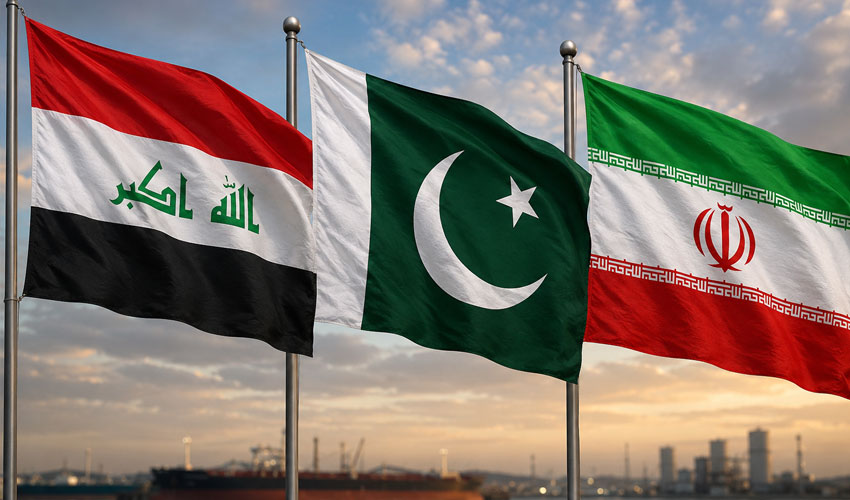
Iraq and Pakistan reportedly struck separate arrangements with Iran to secure passage for oil and LNG shipments through the Strait of Hormuz as Tehran tightens control over the route. Gulf energy exports, which normally account for nearly 20% of global crude oil and LNG supply, have been sharply disrupted, with traffic through the strait falling to about 5% of normal levels. Brent crude is up more than 50% since late February, while LNG prices in Europe and Asia have risen 35% to 50%.
The market is moving from a binary “shutdown” risk to a more dangerous and durable regime: discretionary toll-collection. That is worse for importers because it keeps barrels and LNG flowing just enough to prevent a supply collapse, but with persistent friction, higher insurance, longer dwell times, and a structural risk premium embedded in every cargo priced through the Gulf. The second-order effect is that volatility itself becomes the product: physical users pay up for optionality, while shippers, insurers, and traders with balance-sheet capacity can monetize dispersion and timing.
The immediate losers are Asia’s marginal importers and freight-sensitive industrials. Pakistan’s and Iraq’s arrangements are a template for other politically exposed buyers, which means the weakest credits will face a choice between paying up for reliability or cutting consumption; that should pressure current-account balances, FX, and sovereign spreads over the next few months. Europe is more insulated on barrels than on LNG, but the LNG leg matters more for marginal power prices and industrial gas costs, so any repetition of this “managed access” model supports a higher floor for European gas into the shoulder season.
The bigger strategic implication is that Iran has discovered leverage without needing full interdiction. If traffic stays at a fraction of normal for weeks, the price response may be less about outright scarcity and more about persistent uncertainty that keeps front-end time spreads bid and makes hedging more expensive for airlines, refiners, and utilities. That means the trade is not just long energy; it is long volatility and long complexity, which historically outlasts the initial headline shock by 1-3 months.
The contrarian risk is diplomatic normalization: if Washington, Gulf producers, and key buyers quietly tolerate a de facto escort/toll regime, the market may adapt faster than expected and the outright price spike could fade even while operational control remains. In that case, the winners are the middlemen—insurers, shipping brokers, and storage operators—while upstream beta gets capped by a perception of ‘managed continuity’ rather than true shortage.
AI-powered research, real-time alerts, and portfolio analytics for institutional investors.
Request DemoOverall Sentiment
strongly negative
Sentiment Score
-0.62
