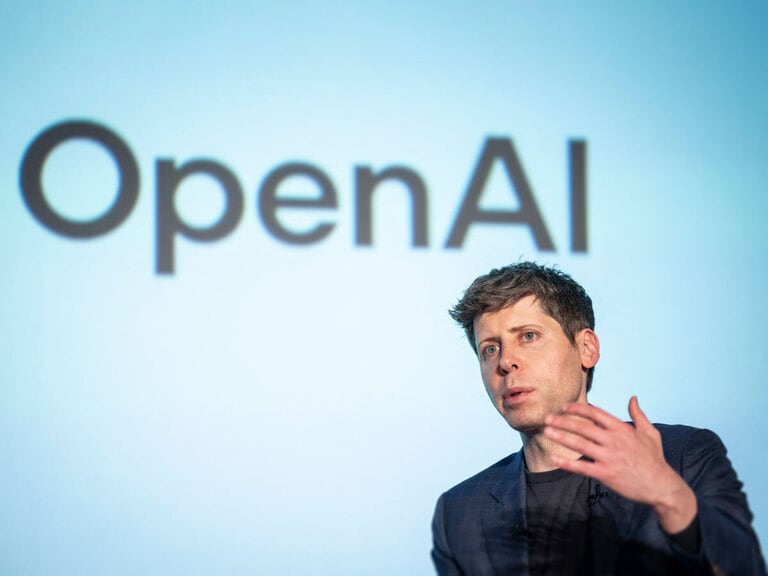
Anthropic closed a $30bn Series G on Feb 12 at a $380bn post-money valuation, with a $14bn revenue run rate and targets of $18bn (2026), $55bn (2027) and $148bn (2029). OpenAI is reportedly preparing for a possible IPO as early as Q4 2026, but key financial metrics remain opaque and Microsoft holds a 27% diluted stake; governance issues and ongoing litigation (including disputes with Elon Musk) increase execution risk. If SpaceX, OpenAI and Anthropic list, PitchBook estimates they could create value exceeding all VC-backed IPOs since 2000, implying substantial market-wide liquidity and potential follow-on IPO activity, but investors must weigh high valuations against competition, regulatory scrutiny and heavy capital needs for AI infrastructure.
The likely wave of mega‑IPOs (OpenAI/Anthropic/SpaceX) will reallocate value up the stack: cloud providers and chip suppliers win implicitly through sticky, high‑margin recurring infrastructure revenue while legacy media/consumer partners face fast decays in optionality when bespoke deals stall. A conservative sensitivity: if Anthropic hits its $55bn 2027 target and cloud take rates are 5–10%, that implies $2.7–5.5bn incremental annual revenue flowing to hyperscalers — enough to move AWS/GCP incremental FCF by mid‑single digits percentage points and justify a re‑rating for AMZN/GOOGL/MSFT over 12–24 months.
Key near‑term catalysts are binary and time‑staggered: S‑1 filings (OpenAI first; Anthropic later), lock‑up schedules, and SEC/antitrust reviews can create 30–60% intrayear volatility. Litigation (Musk vs OpenAI) and governance showstoppers can delay listings by 6–18 months; conversely, an unexpected S‑1 with clear revenue retention metrics would re‑rate partner equities quickly. Hardware supply dynamics are a multi‑year, non‑linear risk — constrained HBM/GPU supply or a pricing reset materially harms model economics and forces longer payback on capex for public AI platforms.
Consensus is overly focused on IPO proceeds as VC liquidity; it underestimates that proceeds will largely recapitalise infrastructure capex and fund M&A rather than return capital to VCs. A successful IPO therefore signals liquidity but not immediate distributed returns; a stall or messy filing would compress risk appetite across the next tranche of tech IPOs and re‑price private market expectations within weeks. For portfolio construction, treat these events as dispersion drivers — use pairs and volatility structures around S‑1s rather than outright directional leverage to the narrative.
AI-powered research, real-time alerts, and portfolio analytics for institutional investors.
Request DemoOverall Sentiment
mildly positive
Sentiment Score
0.12
Ticker Sentiment
