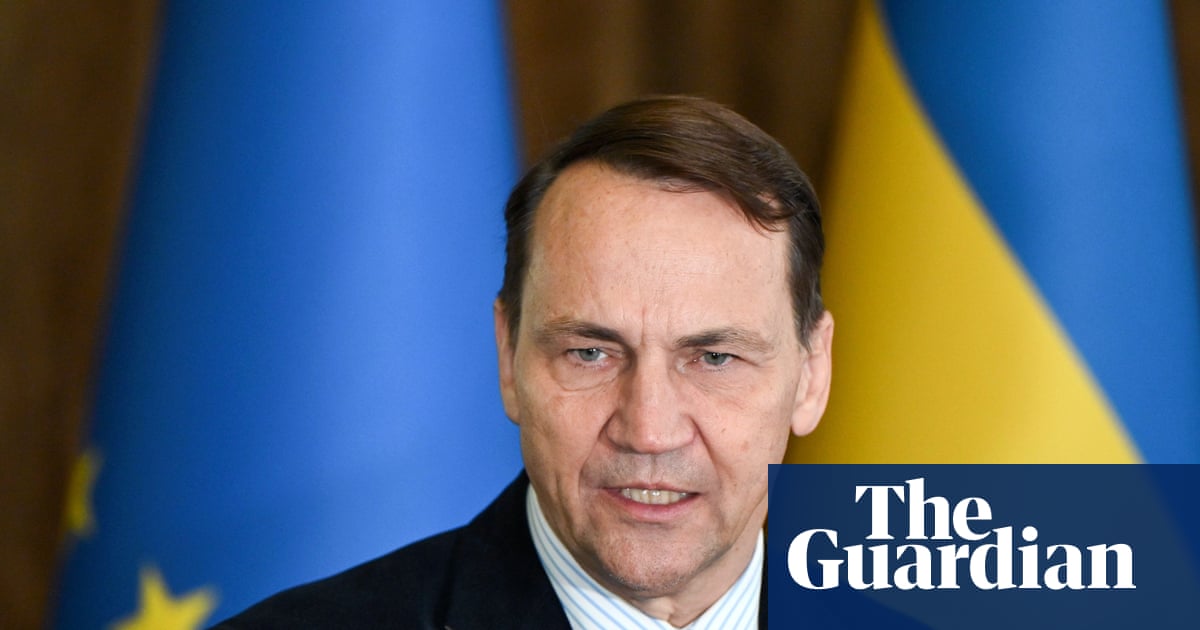
European leaders are increasingly confident in a proposal to lend Ukraine €140bn, secured against frozen Russian central bank assets, to fund its defense and address its significant budget deficit, with an agreement targeted by year-end. This plan, leveraging approximately €183bn held at Euroclear in Belgium, aims to provide critical financing amid rising costs and uncertain US support, with G7 nations expected to underwrite the scheme to mitigate risks for host countries like Belgium. However, the initiative faces legal scrutiny regarding the mechanism for asset utilization and risk-sharing, alongside ongoing negotiations over US participation, presenting a novel and complex financial precedent for international asset management and sovereign liability.
European leaders are increasingly confident in a proposal to lend Ukraine €140 billion, secured against €183 billion in frozen Russian central bank assets held primarily at Euroclear in Belgium, with an agreement targeted by year-end. This initiative is deemed critical for Kyiv to sustain its defense efforts and address its significant annual budget deficit, with urgent funding required from April 2026. The plan aims to provide an interest-free loan, contingent on Russia using these assets for war reparations post-conflict, and is explicitly stated by EU officials as "not confiscation."
The financial architecture involves G7 nations collectively underwriting the debts to reassure host countries like Belgium, which holds the majority of the frozen assets and seeks robust guarantees against legal liabilities. While the UK is expected to contribute to these guarantees, US participation remains uncertain, despite its political and legal importance, given its modest holding of Russian assets at approximately $7 billion. This collective underwriting is crucial for mitigating risks associated with the scheme's potential collapse.
Despite growing political momentum, including a shift in Germany's stance with Chancellor Merz now favoring a reparations loan, significant legal and regulatory hurdles persist. Lawyers at the Council of Ministers express dubiousness regarding the legality of using a little-known EU treaty mechanism to shift sanctions renewal from unanimous to majority vote, which underpins the asset freeze. Negotiations are ongoing to ensure the plan aligns with international law and incorporates appropriate European solidarity and risk-sharing.
This proposal represents a novel approach to financing wartime needs and managing frozen sovereign assets, carrying a moderately positive sentiment among leaders. Its successful implementation would significantly bolster Ukraine's financial stability and war effort, while setting a complex precedent for international asset management and sovereign liability.
AI-powered research, real-time alerts, and portfolio analytics for institutional investors.
Request DemoOverall Sentiment
moderately positive
Sentiment Score
0.55
