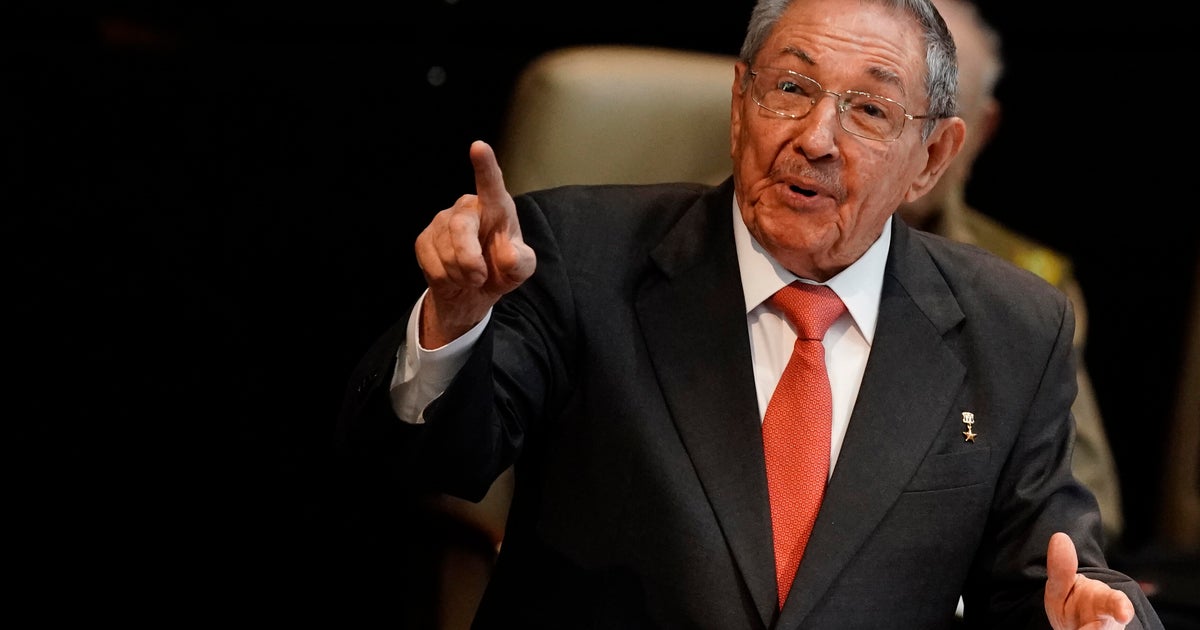
U.S. federal officials are expected to unseal an indictment charging 94-year-old former Cuban leader Raúl Castro in connection with the 1996 Brothers to the Rescue shootdown that killed four men. The announcement comes alongside a DOJ event in Miami honoring the victims, while officials also discussed potential U.S. aid to Cuba amid blackouts and unrest. The article is primarily political and historical in nature, with limited direct market impact.
This is less a tradable Cuba event than a sequencing signal: Washington is stitching together a harder political narrative on Havana precisely when the island’s macro stress is deteriorating. That matters because repression optics, humanitarian relief, and migration pressure are now converging, which increases the odds of policy volatility rather than a clean sanction path. The first-order market implication is limited, but the second-order effect is higher tail risk for U.S.-Cuba normalization assumptions embedded in select travel, remittance, and Caribbean exposure names. The more actionable read is that migration risk may become the policy bridge between symbolic legal action and practical aid flows. If U.S. assistance is routed through trusted intermediaries, that supports NGOs, church-linked relief channels, and potentially regional logistics providers serving humanitarian distribution, while also reducing the probability of a sudden, politically destabilizing migration spike over the next 1-3 months. Conversely, any hardline follow-through on charges without aid delivery could worsen conditions and accelerate outbound pressure, creating a near-term headline-driven risk premium in South Florida real estate, local consumption, and border-related equities. The consensus may be overestimating the direct legal significance and underestimating the signaling value to domestic Cuban-American politics in an election cycle. This kind of action typically has low immediate financial impact but can alter the probability distribution around sanctions enforcement, remittance rules, and diplomatic openings over 6-12 months. In other words: the trade is not on the indictment itself, but on whether it becomes cover for tighter posture or a bargaining chip for humanitarian concessions.
AI-powered research, real-time alerts, and portfolio analytics for institutional investors.
Overall Sentiment
neutral
Sentiment Score
-0.05
