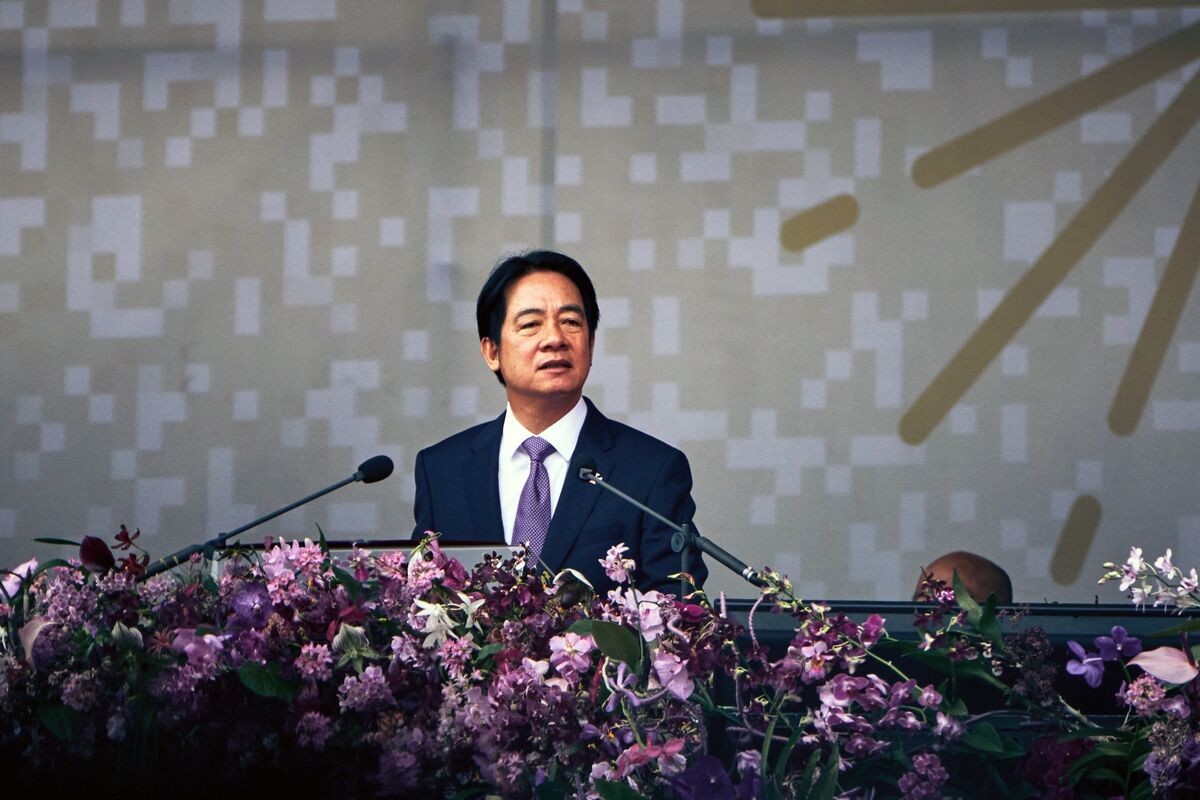
The Trump administration is currently debating whether to permit Taiwanese President Lai Ching-te's planned transit through the US next week, with stops anticipated in New York and Dallas. This deliberation stems from significant concerns that allowing the stopover could jeopardize ongoing trade negotiations with China and a potential summit between President Trump and President Xi Jinping, leaving the trip's logistics in flux and highlighting the delicate balance of US-China-Taiwan relations.
The Trump administration's deliberation over allowing Taiwanese President Lai Ching-te's planned transit through the US introduces significant geopolitical uncertainty with direct implications for financial markets. This indecision, which has placed the planned stops in New York and Dallas in flux, is explicitly linked to concerns that the visit could derail sensitive trade talks with China and a potential summit between President Trump and President Xi Jinping. The situation highlights a critical foreign policy conflict, forcing a choice between upholding diplomatic precedent with Taiwan and prioritizing a trade resolution with Beijing. The associated 'moderately negative' sentiment score of -0.45 and 'uncertain' tone underscore the market's apprehension, as any outcome that escalates US-China tensions could disrupt global trade dynamics and supply chains, reflecting the event's medium market impact score of 0.55.
AI-powered research, real-time alerts, and portfolio analytics for institutional investors.
Request DemoOverall Sentiment
moderately negative
Sentiment Score
-0.45
