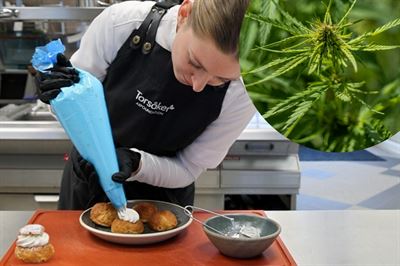
Axfoundation is introducing a hemp-seed version of the traditional Swedish semla—replacing imported almonds with Swedish-grown hemp seed supplied by Svensk Hampaindustri—launched January 27 at Urban Deli in Stockholm, in a bid to create consumer demand for domestic hemp. Swedes consume an estimated 40–50 million semlor each season; Swedish hemp cultivation was 1,740 hectares in 2025, and hemp is promoted for its environmental attributes (9–15 tCO2/ha sequestration vs ~1 t for cereals) and low pesticide needs, signalling a small but tangible effort to commercialize hemp as a domestic agricultural and food-ingredient commodity.
Market structure: The immediate winners are local hemp processors (scale-up potential for Svensk Hampaindustri-type players), ESG-oriented bakeries/retailers able to charge a premium for domestically sourced ingredients, and platforms monetizing agricultural carbon sequestration. Losers are incremental: imported almond suppliers to small Nordic markets and niche pesticide suppliers if hemp replaces pesticide-heavy crops; overall commodity impact is small unless acreage expands by an order of magnitude (from 1,740 ha to >17k ha). Cross-asset effects are limited short-term but could boost niche carbon-credit instruments and regional agribusiness equities if adoption accelerates.
Risk assessment: Tail risks include regulatory tightening on THC thresholds or food approvals, crop failure/disease, and reputational risk if sequestration claims are later delisted from carbon registries. Timeline: PR/retail tests (days–weeks), acreage/processing scale (6–18 months), structural supply-chain and carbon-credit monetization (2–5 years). Hidden dependencies: processing capacity, seed genetics, and certification for food-grade and carbon credits are gating items. Key catalysts are government subsidies, Swedish planting reports, and consumer trial conversion rates during the next two semla seasons.
Trade implications: Favor small, liquid exposures to European agribusiness and carbon where upside is asymmetric: ETFs/large caps (MOO, YAR.OL) and carbon futures ETF (KRBN). Use options (6–9 month call spreads) to express a modest upside from increased fertiliser demand or carbon-credit monetization while capping downside. Opportunistic private/venture allocations to Scandinavian hemp processors make sense if DD confirms processing margins >15% and offtake contracts with retailers are secured.
Contrarian angles: Consensus underestimates friction — hemp-to-food supply chains require seed-cleaning, paste formulation expertise and regulatory approvals which historically turned rapeseed/canola adoption into a multi-decade story. The hype may be overdone relative to scale: a successful seasonal pastry trial does not guarantee commodity substitution. If carbon markets validate hemp sequestration at >$20/tCO2, however, acreage economics change rapidly and current small-cap/ETF positions could gap higher.
AI-powered research, real-time alerts, and portfolio analytics for institutional investors.
Request DemoOverall Sentiment
mildly positive
Sentiment Score
0.35
