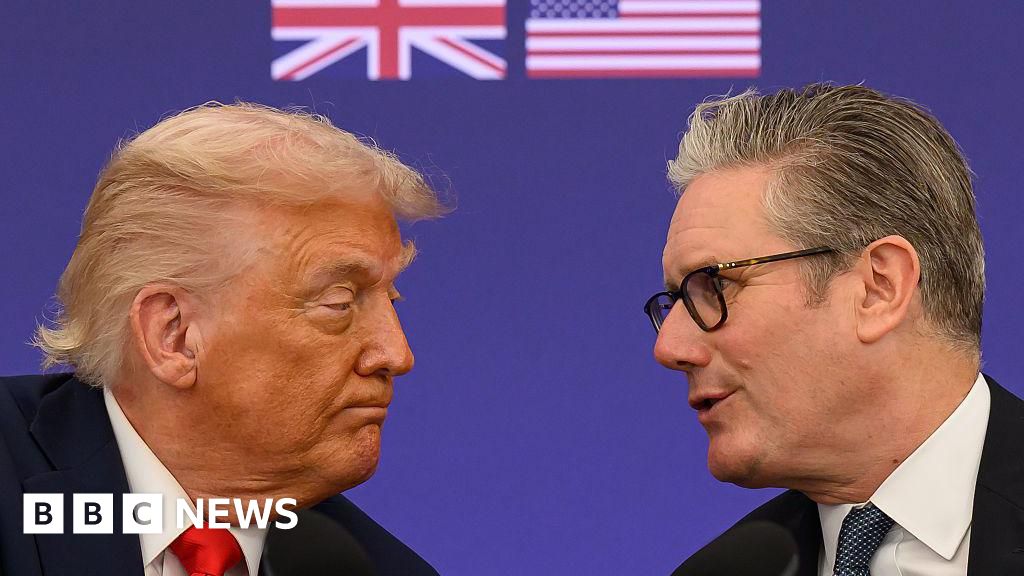
US President Donald Trump threatened a 10% tariff on imports from the UK and several European allies from Feb. 1, rising to 25% from June 1, tied to pressure for the US to acquire Greenland; Prime Minister Sir Keir Starmer publicly rebuked the move and said the UK will raise the issue with the White House. The announcement risks raising costs for exporters and consumers and has drawn cross‑party UK criticism; commentators warn higher levies could dent transatlantic trade flows, while strategic concerns center on Greenland’s location and resources (rare earths, uranium, iron) and NATO security implications.
Market structure: A 10% (rising to 25% on June 1) US tariff on goods from the UK/EU would mechanically transfer price pain to exporters and consumers, benefiting US domestic manufacturers and alternate-source exporters (Mexico, ASEAN) that can arbitrage supply chains. Immediate losers: UK exporters (seafood, specialty food, mid-cap industrials) and logistics providers; winners: US defense/surveillance suppliers and domestic alternatives to European imports. Expect margin pressure of 100–300bps for exposed exporters over 1–3 quarters as firms absorb or pass on costs.
Risk assessment: Tail risks include escalation to reciprocal EU tariffs, NATO diplomatic rupture, or limited military posturing in the Arctic—low probability but high impact (global risk-off, commodity shocks). Near-term catalysts: formal US tariff proclamation (watch Feb 1, Jun 1 deadlines), EU/UK retaliatory steps, and NATO communiqués. Hidden dependencies: rerouting supply chains will boost freight demand to new hubs and raise capex for nearshoring over 6–24 months.
Trade implications: Tactical plays favor short UK-exposure and long US defense/mining. Volatility spikes around Feb 1 and June 1 make calendar and vertical spreads efficient: buy puts on UK ETFs into Feb-March and buy calls on LMT/NOC/RTX into a 3–6 month window. FX (short GBP) and UK sovereign spread widening relative to US Treasuries are likely; buy protection accordingly.
Contrarian angle: The political backlash risk is asymmetric—tariffs threaten alliances and can be watered down; knee-jerk selloffs in UK equities could be overdone. Also defense names may be priced for a permanent risk premium; selective miner exposure (MP Materials, Lynas) offers cleaner play on Arctic resource focus if you can hold 6–24 months.
AI-powered research, real-time alerts, and portfolio analytics for institutional investors.
Request DemoOverall Sentiment
moderately negative
Sentiment Score
-0.40
