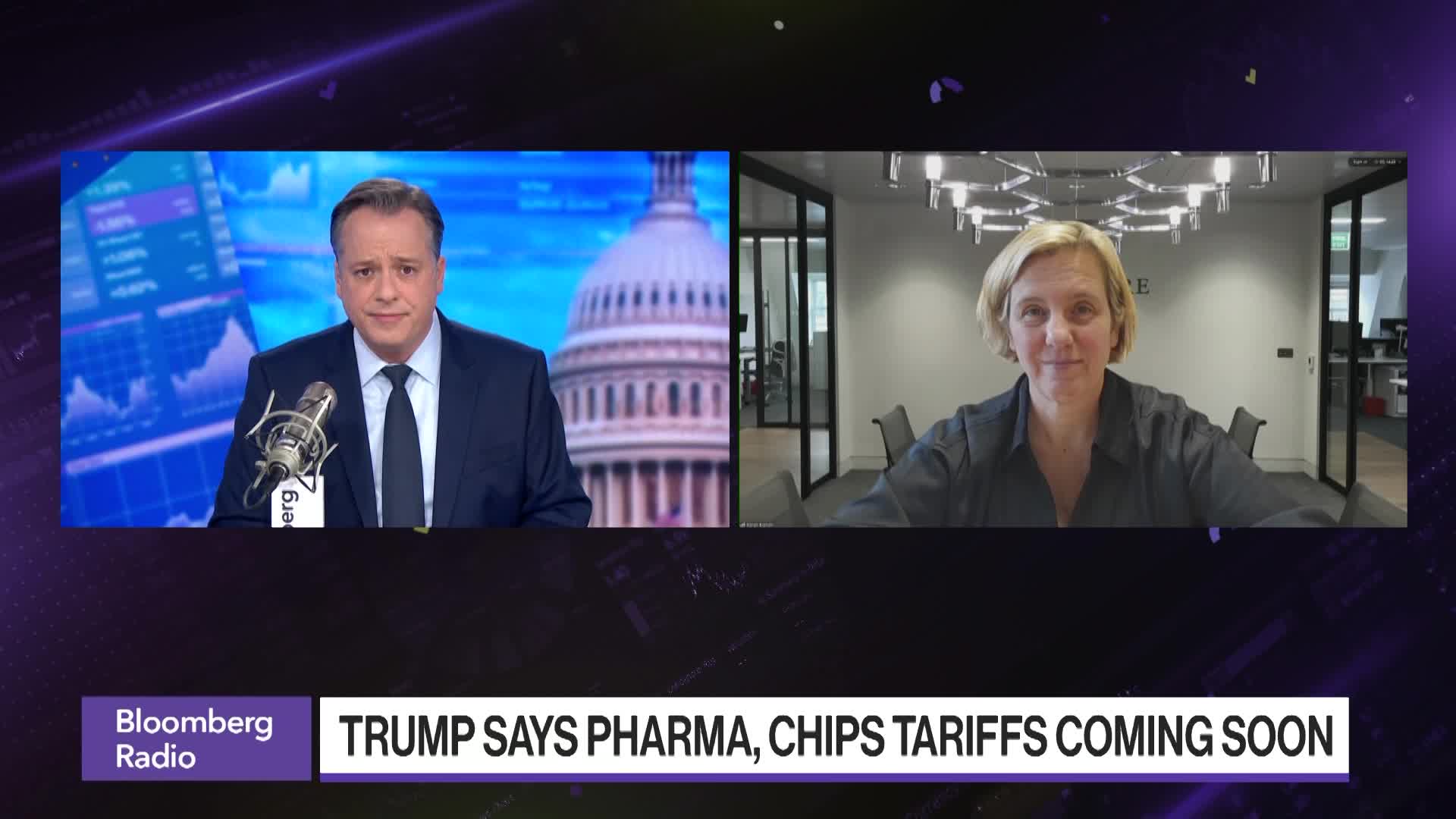
Former President Donald Trump has indicated a potential policy shift towards imposing tariffs on imported semiconductors and pharmaceuticals if re-elected. This move, if implemented, could significantly disrupt global supply chains, impact the profitability of companies within these critical sectors, and signal a more protectionist stance on international trade, prompting strategic re-evaluations for affected industries.
The potential for a renewed US tariff policy targeting imported semiconductors and pharmaceuticals, as indicated by former President Donald Trump, introduces significant forward-looking risk for these critical global sectors. This policy suggestion, characterized by a 'moderately negative' sentiment score of -0.5, signals a potential return to a more protectionist trade stance that could disrupt highly globalized supply chains and inflate costs for technology and healthcare industries. The 'uncertain' tone of the signal reflects the policy's contingency on the outcome of a future election, yet the moderate market impact score of 0.6 highlights the systemic importance of these sectors. Investors must now factor in the heightened political risk and the potential for margin compression in companies heavily reliant on international trade for these essential goods, as well as the broader implications for global trade relations.
AI-powered research, real-time alerts, and portfolio analytics for institutional investors.
Request DemoOverall Sentiment
moderately negative
Sentiment Score
-0.50
