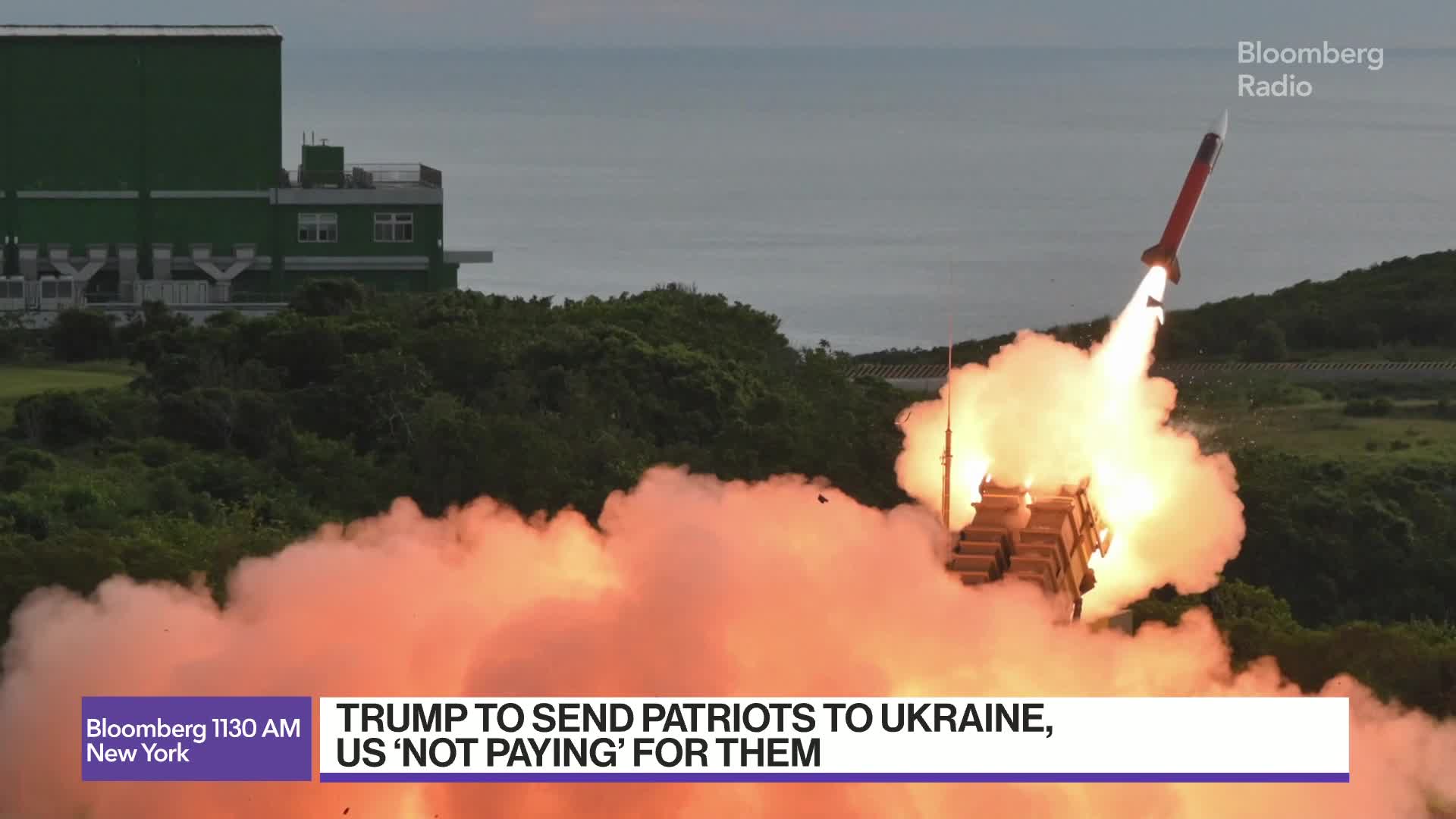
President Trump has threatened Russia with new secondary tariffs, contingent on Russia's failure to agree to a peace deal with Ukraine amid stalled negotiations. This potential imposition of financial penalties signals an escalation of economic pressure on Russia and introduces further geopolitical uncertainty regarding the ongoing conflict.
President Trump's threat to impose new secondary tariffs on Russian goods introduces a significant geopolitical catalyst tied directly to the outcome of stalled peace negotiations with Ukraine. This policy announcement, characterized by a hawkish tone and moderately negative sentiment, signals a potential escalation of economic pressure. The conditional nature of the tariffs links market risk directly to diplomatic developments. An impact score of 0.6 suggests that the market views this not as mere rhetoric but as a credible threat capable of inducing volatility. The focus on secondary tariffs is particularly noteworthy, as their implementation would broaden the scope of financial penalties to third-party entities engaging with Russia, potentially disrupting global supply chains and commodity markets beyond the immediate parties involved.
AI-powered research, real-time alerts, and portfolio analytics for institutional investors.
Request DemoOverall Sentiment
moderately negative
Sentiment Score
-0.50
