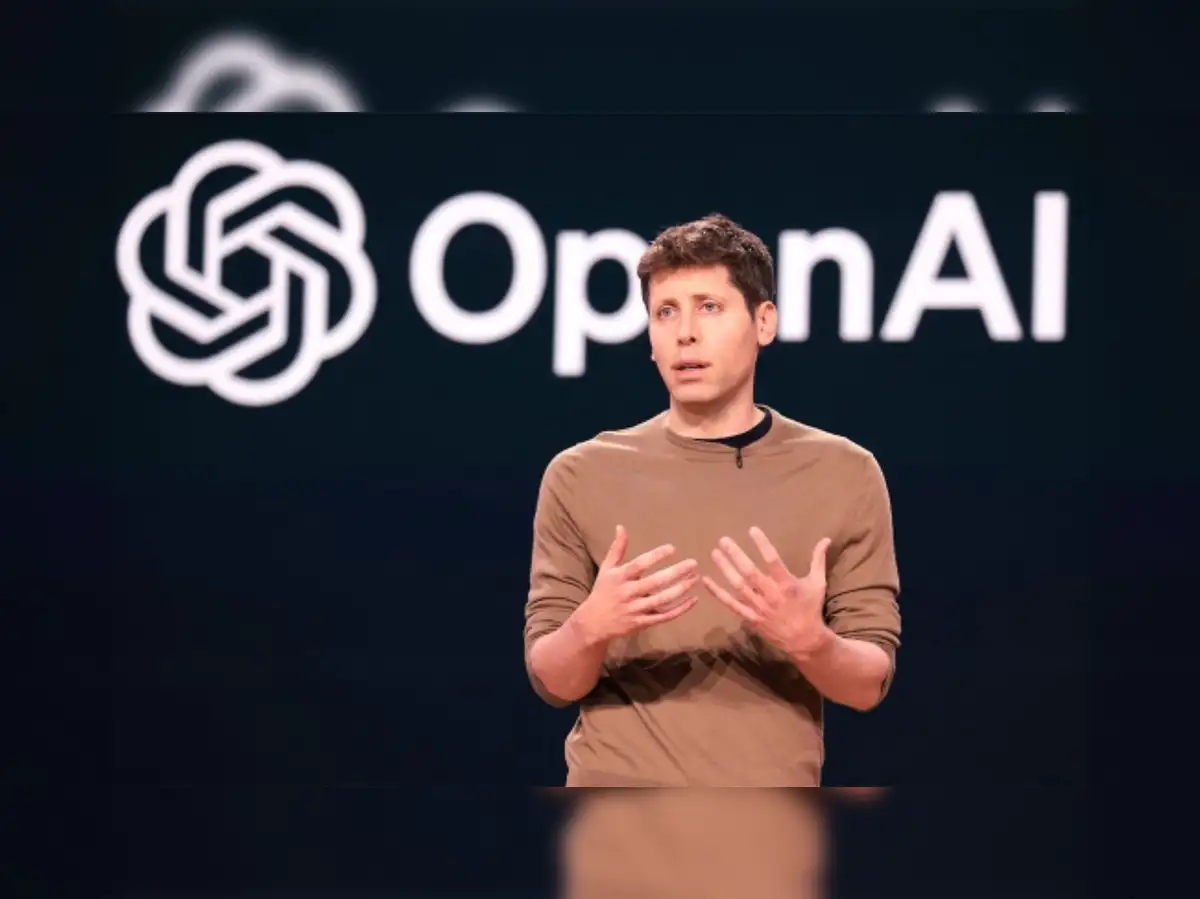
CFO Sarah Friar has expressed concern about CEO Sam Altman’s plan for a Q4 2026 IPO and a potential $600 billion five-year spending program, warning the company may burn through >$200 billion before steady cash flow. OpenAI has secured $122 billion in investment commitments valuing it at about $852 billion (largely from Amazon and Nvidia), which may alleviate financing worries but governance tensions and a reported exclusion of the CFO from key spending talks raise execution risk. Rising competition (Anthropic, Google Gemini), lower-than-expected gross margins, and new ad monetization underscore revenue and margin pressure despite the large funding and potential $1 trillion IPO valuation.
Concentration of capital and capacity in a handful of compute and cloud providers creates an asymmetry: suppliers of high-end GPUs and racks can capture a large slice of incremental economics from the next wave of LLM deployments. If those suppliers enforce multi-quarter capacity commitments or price tiers, competing model vendors will see unit economics diverge sharply — incumbents with pre-negotiated capacity will enjoy 20–40% lower marginal cost versus firms buying spot capacity, a gap that can translate into faster feature rollout and lower ASPs over 6–18 months.
Management and governance frictions at a growth-stage AI platform amplify optionality risk for strategic partners and public investors. A governance-driven delay to a liquidity event or material leadership churn increases the probability of expensive interim financing, covenant concessions, or asset-light monetization (ads/licensing) that compresses gross margins — this is a 6–24 month execution risk that could halve upside vs. a smooth IPO path.
The regulatory and competitive landscape is the x-factor: circular capital arrangements and deep supplier-customer linkages invite closer antitrust and disclosure scrutiny, which could slow deal-making and re-rate multiples across the AI supply chain over 12–36 months. Separately, an intensifying product war with alternative model providers makes near-term revenue growth a rolling battle; market-share movements over the next 3–12 quarters, not single-quarter beats, will drive true revaluation.
Tactical positioning should therefore favor optionality on scarce compute exposure, underweight strategic-partner premia that rely on exclusivity, and buy priced protection around binary governance/IPO catalysts.
AI-powered research, real-time alerts, and portfolio analytics for institutional investors.
Request DemoOverall Sentiment
mildly negative
Sentiment Score
-0.20
Ticker Sentiment
