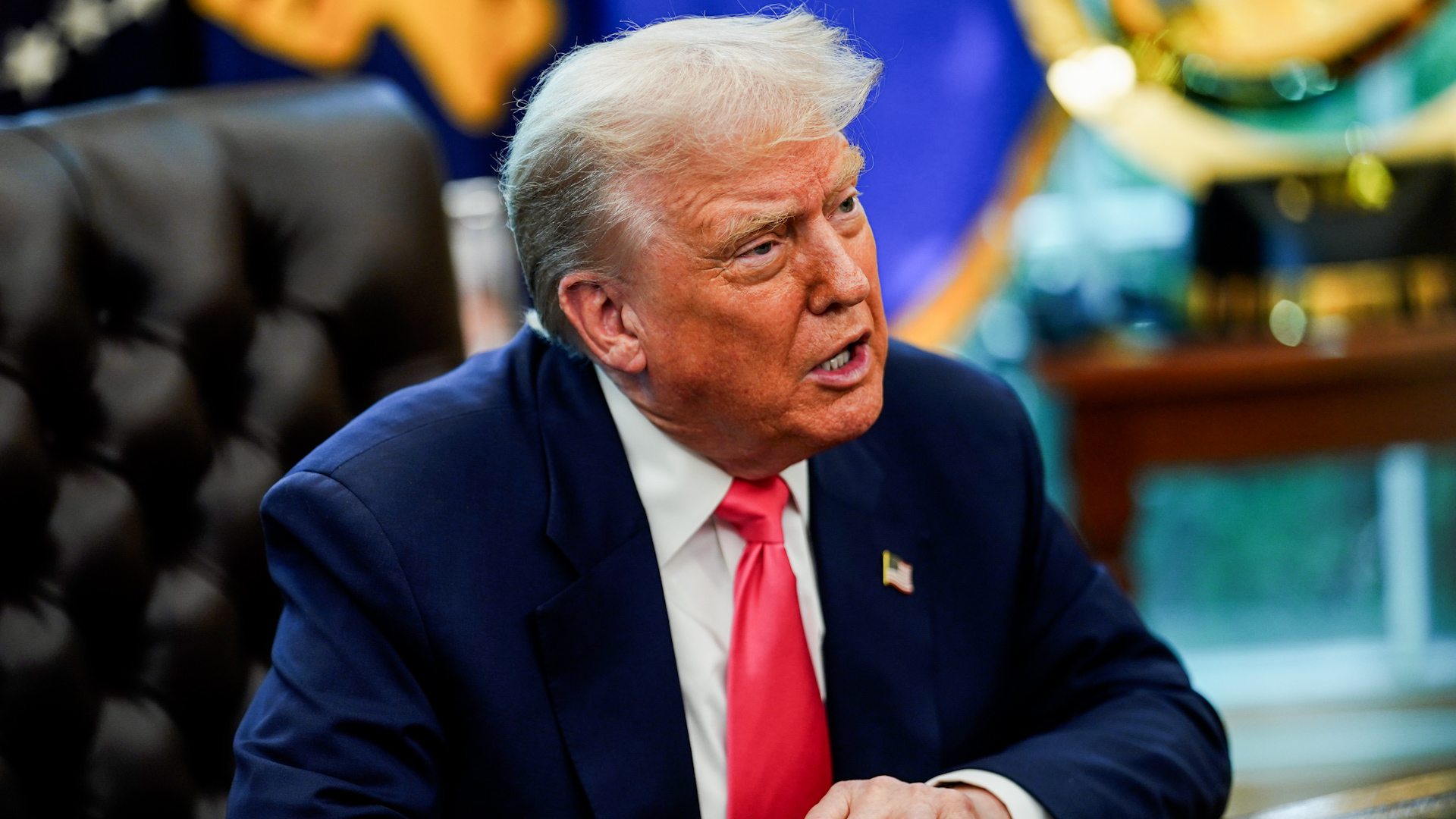
Former President Donald Trump has proposed a substantial 300% tariff on chips, a policy suggestion that could profoundly impact the global semiconductor industry. Such a significant tariff would likely lead to severe cost increases for technology manufacturers and consumers, while exacerbating international trade tensions. This proposal signals a potential escalation of protectionist measures, posing considerable implications for global supply chains and technology pricing.
Former President Donald Trump's suggestion of a 300% tariff on chips represents a significant hawkish policy proposal with a high potential for market impact, as indicated by the extremely negative sentiment score (-0.9). Such a punitive tariff would profoundly disrupt the global semiconductor industry, leading to severe cost increases for technology manufacturers who rely on international supply chains. These costs would likely be passed on to consumers, impacting pricing across a vast range of electronic goods. The proposal signals a potential, drastic escalation of protectionist trade policy, which would exacerbate international trade tensions and force a significant and costly reconfiguration of global supply chains. This introduces a substantial element of policy uncertainty into the technology sector, directly tying market risk to the outcome of domestic political events.
AI-powered research, real-time alerts, and portfolio analytics for institutional investors.
Request DemoOverall Sentiment
extremely negative
Sentiment Score
-0.90
