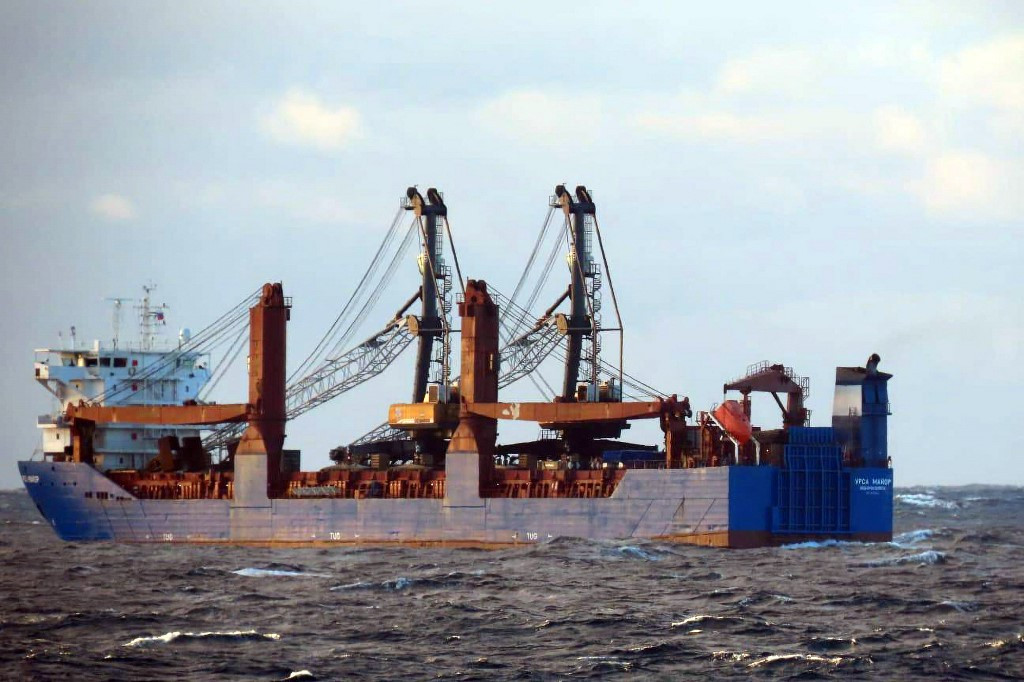
A Russian cargo ship, Ursa Major (Sparta 3), sank on Dec. 23, 2024 off Spain after reportedly suffering three explosions, killing 2 crew members and leaving 14 survivors. Investigators and CNN reporting suggest the vessel may have been carrying sensitive military cargo, including components for two nuclear reactors similar to submarine reactors, with possible links to North Korea. The incident raises geopolitical and defense-supply concerns, but direct market impact appears limited.
This raises the probability that sanctions evasion is becoming more operationally sophisticated: not just “gray fleet” shipping, but dual-use maritime logistics with military escort, destination obfuscation, and possible transshipment into sanctioned Asian endpoints. The second-order effect is less about this single hull and more about a higher inspection burden on Baltic/North Sea routes, which can increase insurance premia, delay schedules, and tighten availability for any shipper with Russian exposure—especially in containerized and heavy-lift niches. The key market implication is asymmetric pressure on logistics intermediaries and marine insurers rather than on headline energy. If this is interpreted as evidence that Russia is willing to move sensitive cargo outside normal commercial channels, expect tighter port-state controls, more aggressive satellite/AIS monitoring, and greater scrutiny of operators with opaque ownership. That tends to lift compliance costs and reduce utilization for smaller carriers, while improving relative economics for best-in-class western operators with clean charter books and stronger documentation chains. Contrarian read: the immediate geopolitical headline may be over-owned, but the real tradable signal is escalation risk in maritime enforcement. If Europe or the U.S. responds with targeted inspections or secondary-sanctions designations, the surprise would be a broader repricing of “logistics with geopolitics” names over the next 1-3 months, not a commodity shock. The nuclear/radiological angle also creates a tail-risk premium that can persist for weeks even without evidence of contamination, because authorities will err on the side of caution and keep the story alive through delayed findings.
AI-powered research, real-time alerts, and portfolio analytics for institutional investors.
Overall Sentiment
strongly negative
Sentiment Score
-0.55
