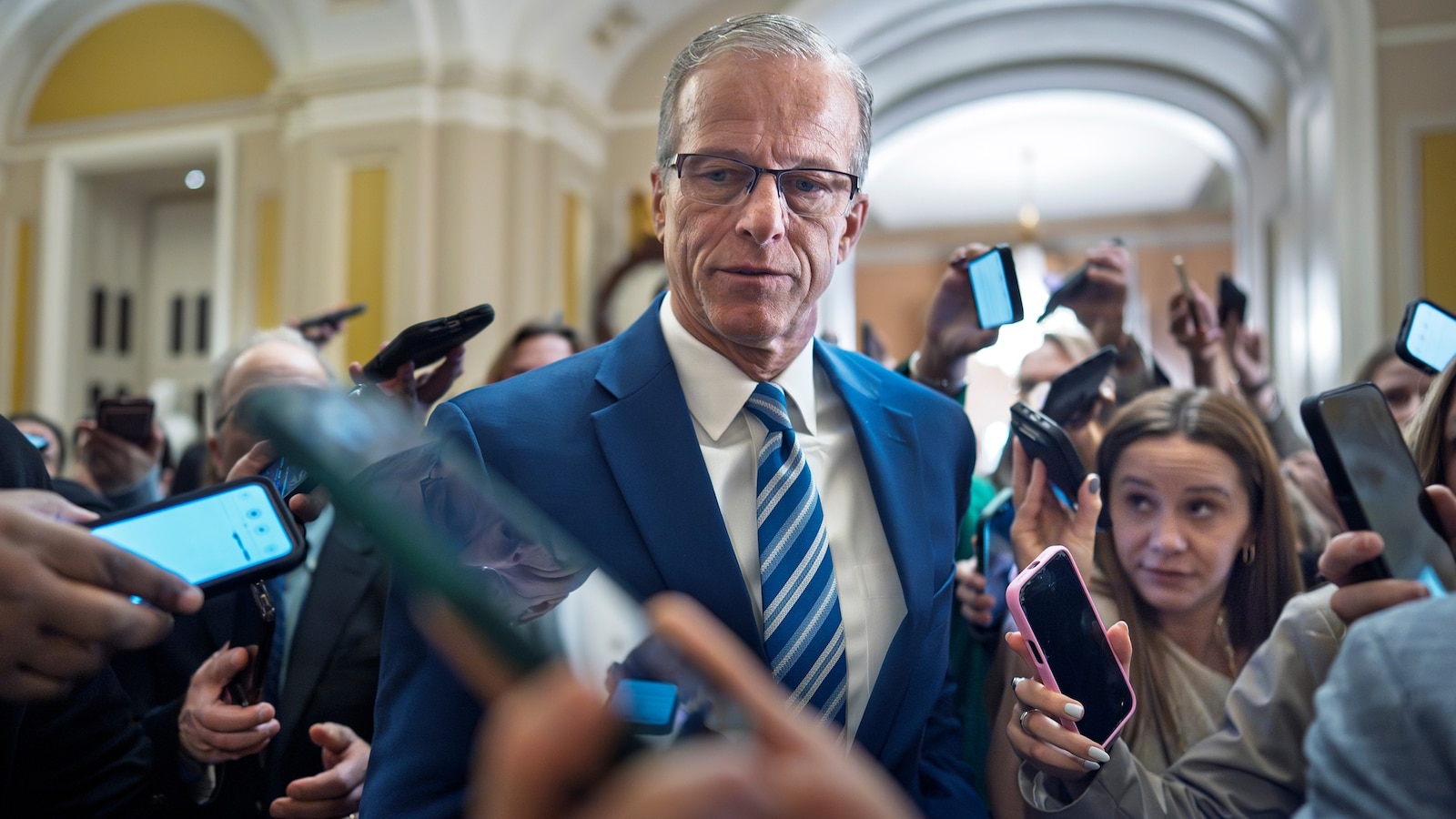
A procedural Senate vote on the GOP DHS funding package failed 54-46 (60 needed), leaving negotiations stalled with two days before a two-week congressional recess. Tens of thousands of DHS workers, including TSA officers, remain unpaid and airport security lines are lengthening as Democrats insist ICE reforms be included and Republicans refuse standalone TSA funding. Democrats submitted legislative text as a counteroffer but Republicans and the White House have rejected it; further attempts to pass TSA-only funding are expected. Market impact is localized to travel and airport logistics risk while the shutdown persists.
Operational uncertainty at checkpoints propagates into measurable P&L friction for the travel ecosystem: rebooking fees, incremental crew-day pay, and higher on-ground turn times create a multi-day drag that compounds non-linearly as schedule irregularity rises. A conservative sensitivity: a 1-2% realized passenger uplift in cancellations/rebookings translates into tens of millions of dollars of lost revenue and incremental costs per major network carrier per week, and forces higher short-term working capital needs for regional partners.
A less visible transmission is through belly-cargo capacity and airport concession economics. Reduced dependable seat-mile capacity elevates time-sensitive airfreight rates, benefiting integrators with long-haul freighter flexibility while pressuring manufacturers and retail supply chains reliant on just-in-time delivery; simultaneously, airport concessionaires face depressed discretionary spend but rental car/ground-transport can see transient demand reallocation.
Political dynamics make timing binary: a quick, narrowly-tailored funding carve-out would create an abrupt positive snapback in travel demand and equities; conversely, protracted brinkmanship raises the probability of a multi-week earnings miss for carriers and OTAs as forward bookings reprice. Key near-term catalysts are executive posture shifts and any bipartisan procedural workaround; failure to achieve either within 1–3 weeks materially raises downside tail risk for the sector.
Markets are pricing headline volatility into implied vols, opening asymmetric short-term opportunities. The consensus focuses on surface-level travel disruption and underweights medium-term procurement winners in security technology and integrated cargo, while also understating the convexity of consumer rebooking behavior should a rapid political resolution occur.
AI-powered research, real-time alerts, and portfolio analytics for institutional investors.
Request DemoOverall Sentiment
mildly negative
Sentiment Score
-0.35
