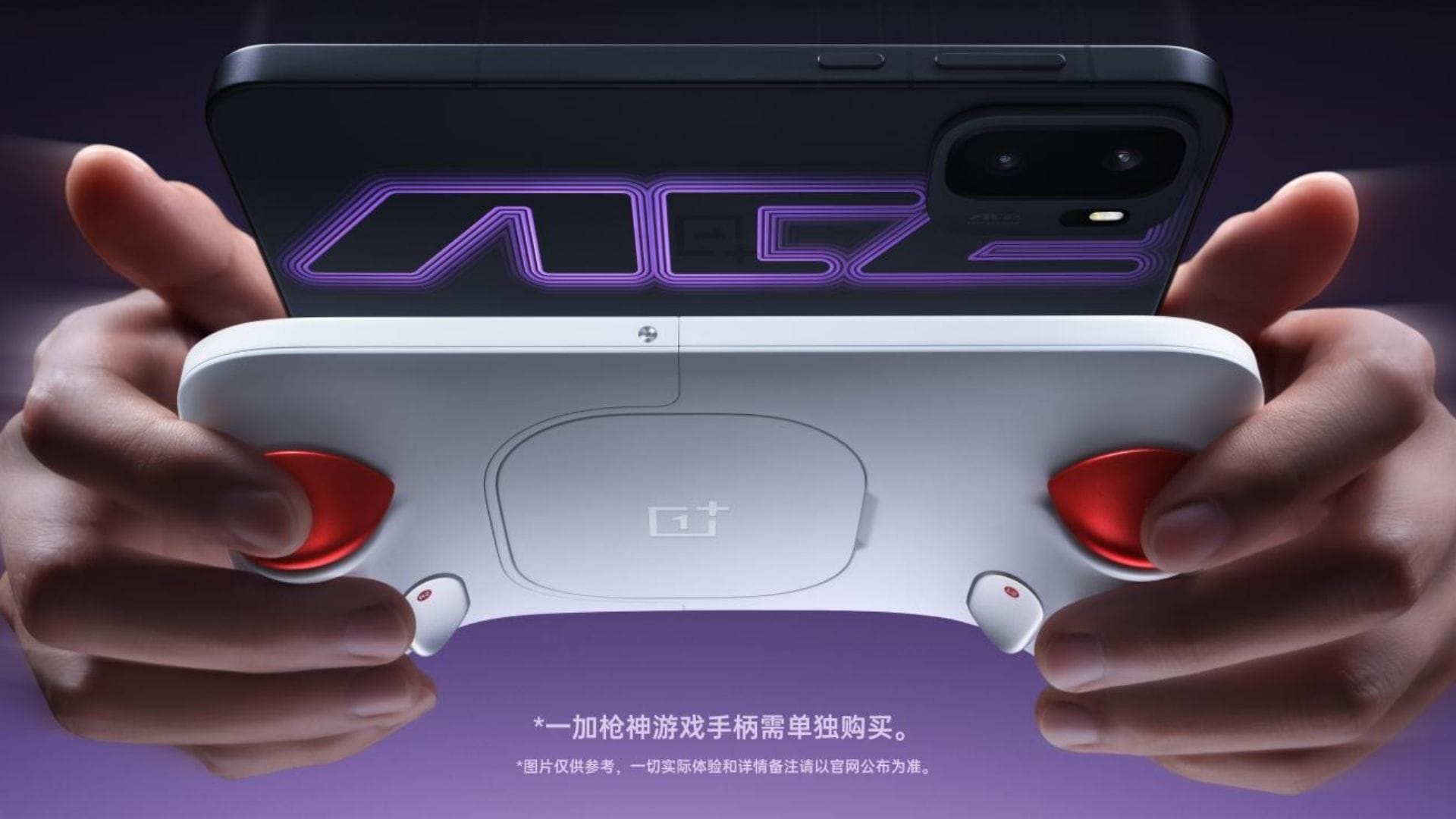
OnePlus is set to launch the Strix G15 handheld gaming controller alongside the Ace 6 Ultra on April 28, 2026 in China. The device is expected to feature triggers, shoulder buttons, back buttons, a 1000Hz polling rate, and 1.8 ms latency, targeting a console-like mobile gaming experience. The article is based partly on early leaks, so the specifics remain unconfirmed.
This is less about one handset accessory and more about a potential category-creation play: if OnePlus can make a phone-plus-controller stack feel meaningfully closer to a dedicated handheld, it raises the bar for premium mobile gaming UX and pressures rivals to differentiate on software integration rather than just silicon. The first-order winner is OnePlus ecosystem lock-in; the second-order loser is any Android OEM relying on generic controller compatibility, because the defensibility shifts toward latency, ergonomics, and bundled optimization rather than raw device specs. The more interesting implication is supply-chain and channel behavior. A successful launch could pull incremental demand toward higher-margin accessory attach rates and increase sell-through of gaming-oriented phones at the premium end, but it also risks cannibalizing standalone handhelds and cloud-gaming peripherals if the experience is “good enough” for core users. That makes the setup tactically bullish for companies exposed to mobile gaming engagement, but potentially bearish for niche handheld hardware vendors if adoption broadens beyond enthusiasts over the next 6-12 months. The near-term catalyst is the April launch window; the real test will be post-launch retention metrics, accessory attach, and whether third-party game support follows within a quarter. The key tail risk is that these products often overpromise on responsiveness while underdelivering in heat, battery drain, and game compatibility, which would quickly compress the hype premium. If reviews show only marginal gains versus standard Bluetooth controllers, the trade unwinds fast because the market is likely already discounting a premium-ecosystem narrative. Consensus may be underestimating how much this is a software/services signal, not a hardware one: if OnePlus can use gaming-centric controls to raise session length and engagement, the monetization opportunity sits in app distribution, cloud gaming partnerships, and ecosystem stickiness, not the controller itself. That said, the move may be overdone if investors extrapolate a one-off accessory launch into a durable moat before seeing evidence of repeat purchase behavior and developer support.
AI-powered research, real-time alerts, and portfolio analytics for institutional investors.
Request DemoOverall Sentiment
mildly positive
Sentiment Score
0.20
