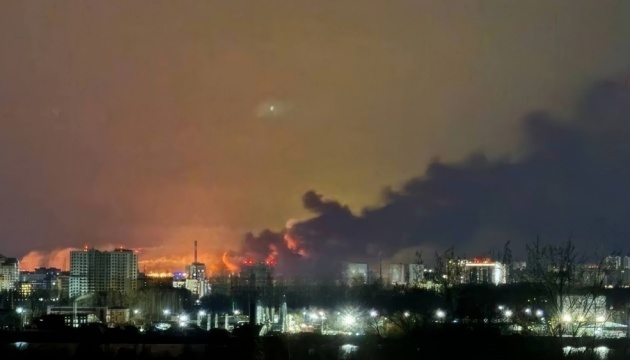
Ukraine’s Defense Forces said they struck an oil refinery in Yaroslavl on April 26, extending attacks on Russian strategic energy infrastructure. The report follows prior strikes in March 2026 that hit 10 oil refineries and five factories in Russia, underscoring continued wartime disruption risk for fuel supply and regional energy assets.
This increases the probability of a shallow but repeated disruption cycle rather than a one-off supply shock. Even when physical output losses are limited, refinery attacks matter because they force rerouting of crude, raise domestic product prices in Russia, and create a wedge between crude and refined product markets — a setup that is usually more inflationary for diesel than for headline Brent. The bigger second-order effect is logistical: when refining capacity is intermittently impaired, Russia has to lean more heavily on rail, storage, and export terminals, which tightens optionality and makes the system more fragile to any follow-on strikes.
The medium-term risk is not just barrels offline, but margin destruction and export mix distortion. If Russian refined-product exports fall faster than crude exports, Europe and Asia may see tighter middle-distillate balances even if global crude supply looks unchanged; that historically supports diesel cracks, freight, and select refiners outside the conflict zone. The main reversal catalyst is successful hardening of infrastructure or a shift in targeting away from downstream assets, which would reduce the cadence of outages over the next 4-12 weeks.
The market is likely underpricing the sequencing risk: repeated strikes can force precautionary shutdowns, maintenance deferrals, and inventory hoarding, which amplifies volatility in product markets more than spot crude. Consensus tends to focus on immediate physical damage, but the more durable effect is a persistent geopolitical risk premium embedded in regional refining and shipping insurance. If the pattern continues, this is more bearish for Russian domestic fuel availability and more supportive for non-Russian refiners than for broad energy equities.
From a trade perspective, this is a cleaner relative-value theme than a directional oil call, because the supply impact is uneven and the upside in crude may be capped by OPEC+ spare capacity and demand elasticity. The attractive expression is to own beneficiaries of tighter refined-product balances while avoiding pure crude beta. Timing matters: the edge is highest if there are follow-on strikes within days, not months, because the market tends to reprice quickly on perceived escalation clusters.
AI-powered research, real-time alerts, and portfolio analytics for institutional investors.
Request TrialOverall Sentiment
moderately negative
Sentiment Score
-0.35
