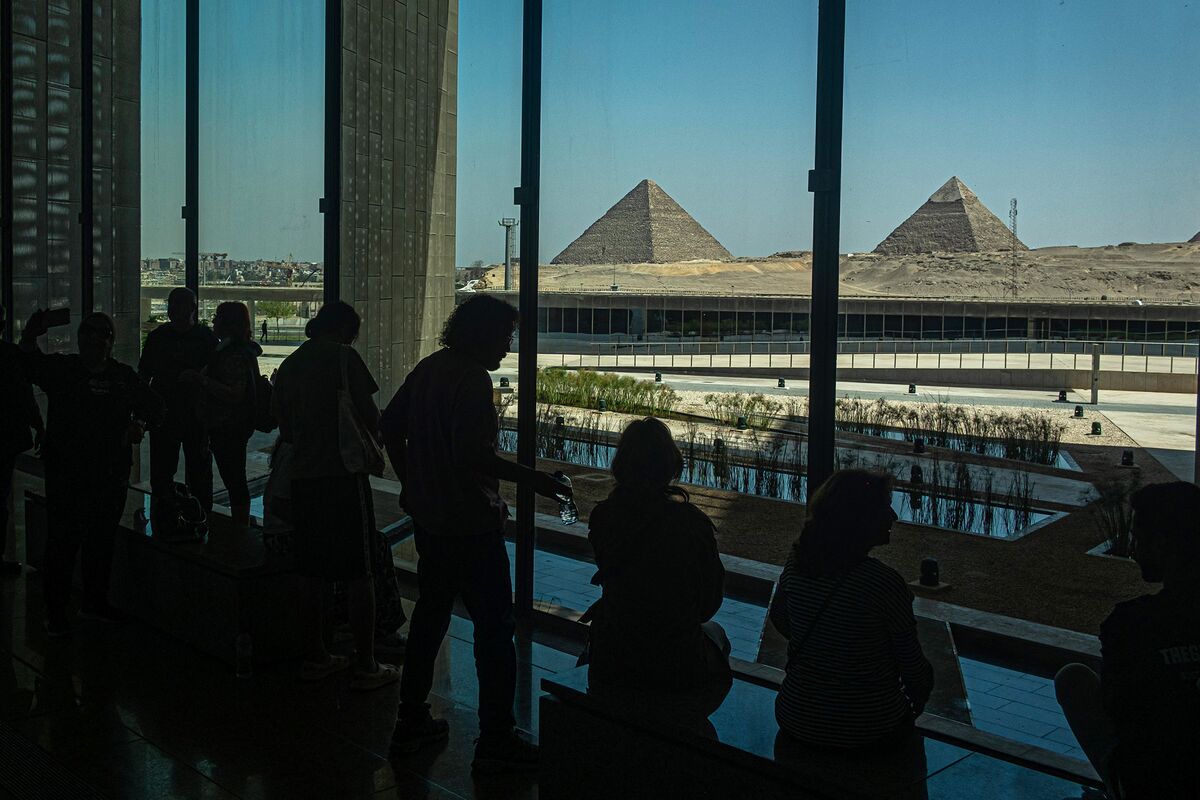
Egypt has postponed the opening of the Grand Egyptian Museum, initially slated for late 2024 or early 2025, due to regional instability. Tourism accounts for a significant portion of Egypt's economy, and officials are concerned that the ongoing conflict in Gaza and tensions in neighboring countries could deter visitors, impacting the museum's success.
Egypt's decision to postpone the opening of the Grand Egyptian Museum, initially slated for late 2024 or early 2025, is a direct consequence of escalating regional instability, notably the conflict in Gaza and surrounding tensions. This development carries significant implications for Egypt's economy, where tourism is a vital sector. The postponement, driven by concerns that geopolitical uncertainty will deter international visitors, directly threatens the immediate success and revenue potential of this flagship cultural project. The prevailing "moderately negative" sentiment and "uncertain" tone, coupled with a market impact score of 0.4, highlight the tangible economic risks and the cautious outlook for Egypt's tourism industry in the near term.
AI-powered research, real-time alerts, and portfolio analytics for institutional investors.
Request DemoOverall Sentiment
moderately negative
Sentiment Score
-0.50
