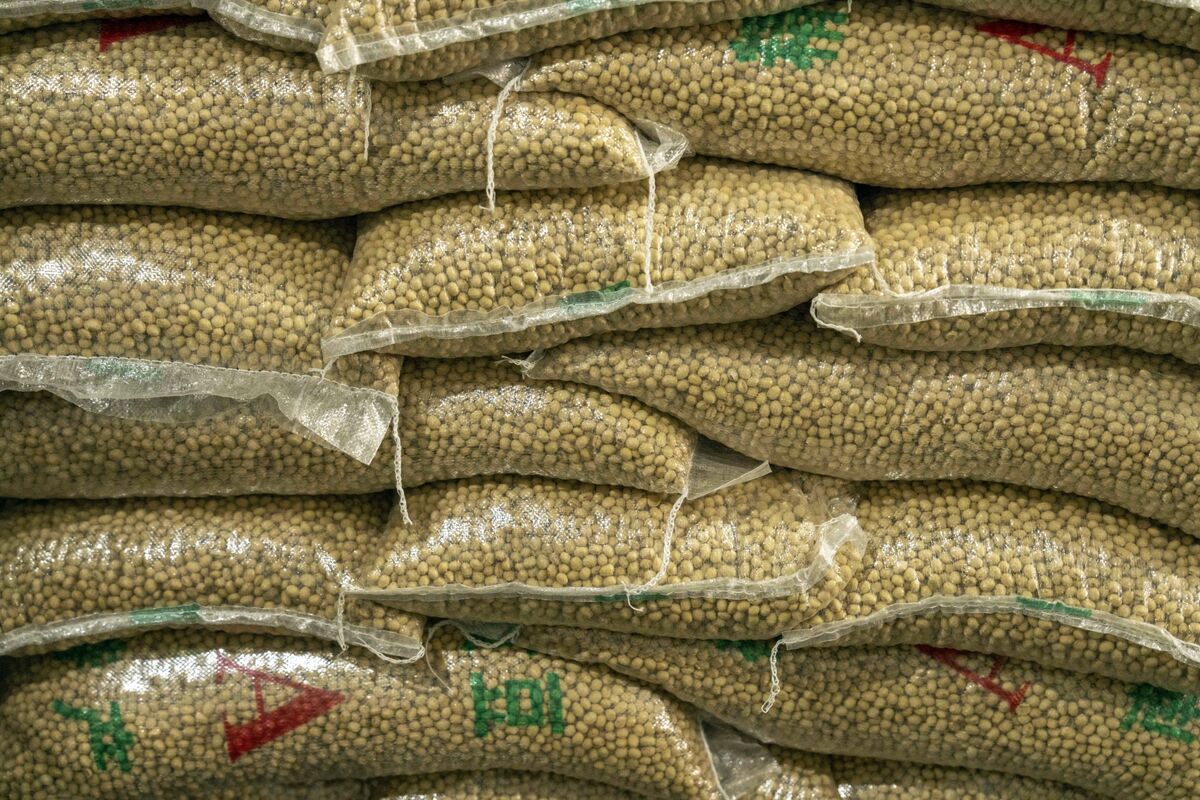
China, traditionally the world's largest soybean buyer, is reconfiguring its soybean trade, increasing rare exports of soybean oil due to reduced domestic consumption and attractive global biodiesel demand. Concurrently, the nation is testing first-time imports of soybean meal from Argentina, a strategic move that substitutes for importing raw beans and domestic crushing. This shift aims to manage a domestic glut of processed products and diversify its supply chains, reflecting broader adjustments to its agricultural commodity strategy.
China, the world's dominant soybean importer, is strategically reconfiguring its trade flows in response to a slackening domestic economy and evolving global market conditions. The country is increasing rare exports of soybean oil, a move driven by a confluence of weak domestic demand, evidenced by reduced restaurant visits, and attractive global prices supported by rising demand for biodiesel. Concurrently, China is initiating trial imports of soybean meal from Argentina, bypassing its traditional model of importing raw beans for domestic crushing. This pivot suggests an attempt to manage an internal glut of processed soy products while also diversifying supply chains amid noted tensions with the US. The market's slightly negative sentiment for the Teucrium Soybean Fund (SOYB), with a score of -0.2, indicates that this shift from importing raw beans to trading processed products is perceived as a potential headwind for raw soybean prices, signaling a structural change in global agricultural trade patterns.
AI-powered research, real-time alerts, and portfolio analytics for institutional investors.
Request DemoOverall Sentiment
mixed
Sentiment Score
-0.10
Ticker Sentiment
