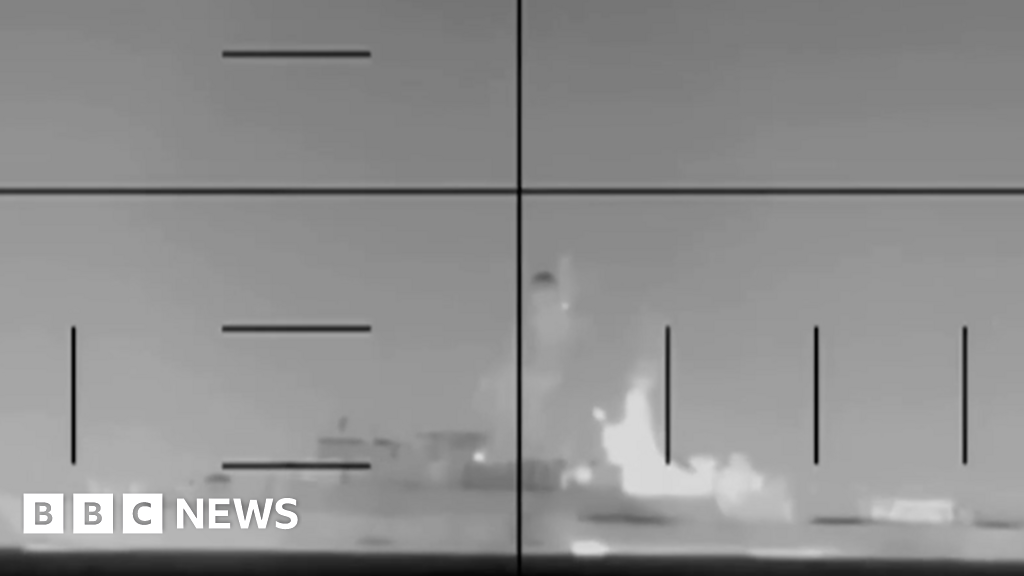
Sri Lanka repatriated 238 Iranian sailors stranded after a US submarine torpedoed the Iranian warship Iris Dena, which sank about 40km off Sri Lanka’s southern coast and killed 104 sailors. The article also notes 84 bodies were recovered and repatriated earlier, while about 15 sailors will remain to operate the Irins Bushehr. The incident underscores a widening US-Iran conflict and raises geopolitical risk across the Middle East and Indian Ocean region.
The market impact is less about the sailors’ repatriation than the signal that a localized maritime incident can still inject a geopolitical risk premium into Red Sea / Indian Ocean routing. Even without direct sanctions, insurers and shipowners will demand wider war-risk spreads for any asset with exposure to the Arabian Sea corridor, which can tighten effective shipping capacity and create short-lived but meaningful dislocations in charter rates and bunker spreads. The second-order beneficiary is not defense equities per se, but any freight-rate-sensitive name with flexible routing or pricing power.
The more important read-through is for emerging-market sovereign risk: Sri Lanka’s decision reinforces that smaller non-aligned states will prioritize neutrality only up to the point where domestic logistics and diplomatic positioning are not compromised. That raises the probability of ad hoc port denials, inspection delays, and vessel detentions across the region during future flare-ups, which is bearish for time-sensitive cargo and just-in-time supply chains. If military operations broaden, the tail risk is a temporary spike in rerouting around the Cape, with knock-on effects to transit times and working capital.
Consensus likely underestimates how quickly a one-off event can bleed into broader freight, marine insurance, and energy logistics pricing even if no new strike follows. The move is likely overdone in terms of direct macro fallout, but underdone in terms of micro dislocations for shipping and insurers over the next 2–6 weeks. The best setup is to express risk-off via instruments that benefit from volatility in transport rather than a directional war call.
AI-powered research, real-time alerts, and portfolio analytics for institutional investors.
Request TrialOverall Sentiment
strongly negative
Sentiment Score
-0.60
