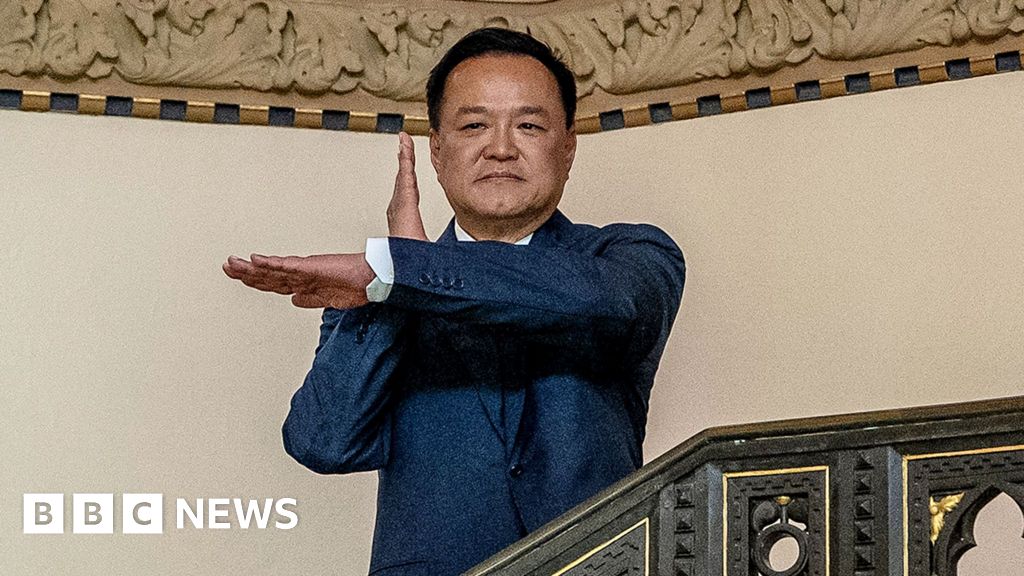
Anutin Chanrvirakul's Bhumjaithai unexpectedly emerged as Thailand's election winner with a projected share of more than 190 seats, positioning it to lead a coalition government despite lagging on the party-list vote (just under 6m) versus the People's Party's nearly 10m party-list votes. The mixed electoral system (party list = 20% of 500 seats; constituency FPTP = 80%) and Bhumjaithai's rural networks flipped the outcome, while turnout fell to 65% from 75% in 2023 and Pheu Thai looks set to see its seat total roughly halved from 141. The reformists remain constrained by party dissolutions, political bans and lese majeste prosecutions even as a referendum in favour of constitutional change passed; markets should price a modest reduction in reform risk but remain watchful for coalition dynamics and policy continuity at the border and on military-related issues.
Market structure: A Bhumjaithai-led coalition (projected >190 seats) favours rural and provincial incumbents — winners include construction/materials, domestic banks, utilities and state-linked contractors that capture public capex and procurement. Urban, digital-first names and reform-oriented consumer plays lose relative traction because the party lacks urban grassroots and the reform agenda (e.g., lese-majeste liberalisation) is stalled; this shifts pricing power toward politically connected, low-tech incumbents over the next 1–4 quarters.
Risk assessment: Immediate tail risks (days–weeks) are muted: expect a risk-on relief rally if coalition formation is smooth, but key medium/long‑term tail events include renewed protests or a military/judicial clampdown that could trigger >5–10% FX outflows and >200–400bp widening in 2‑year sovereign spreads. Hidden dependency: much of the stability premium is conditional on coalition durability and judicial restraint — if either fails, correlation between Thai equities and EM risk assets could flip from +0.8 to -0.6 quickly.
Trade implications: Tactical play: overweight Thailand via THD (iShares MSCI Thailand ETF) and selective long positions in KBANK.BK, BBL.BK and SCC.BK (2–4% portfolio exposure total), funded by trimming SE Asia tech/consumer exposure by an equal amount; hedge FX with short USD/THB via forwards or buy 3‑month USD/THB puts (strike ≈3% below spot). Time entry over next 2–6 weeks as coalition clarity emerges; take profits if THB rallies >4% or SET rises >8% from entry.
Contrarian angle: Consensus prices “stability = permanent rally” but underestimates lingering structural constraints (“handcuffs”) and judicial risk that historically caps Thai market multiples; the rally can be overdone within 1–3 months. Use asymmetric hedges (buy 3–6 month USD/THB calls as insurance, keep core longs size-limited to 2–5% exposure) to capture upside while protecting against rapid political reversal.
AI-powered research, real-time alerts, and portfolio analytics for institutional investors.
Request DemoOverall Sentiment
neutral
Sentiment Score
0.10
