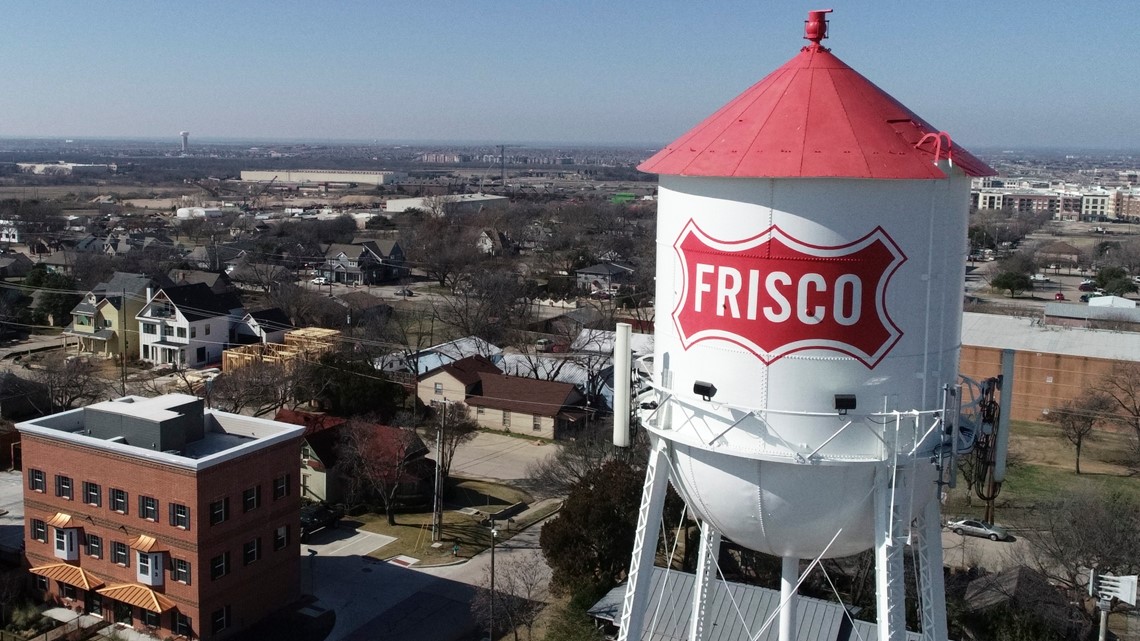
U.S. News & World Report ranked the best 250 places to live in the U.S., with Texas cities making up 40% of the top 25 and 10 Texas cities appearing in the top 25. Flower Mound ranked No. 3 nationally, followed by Leander at No. 8, Frisco at No. 9, and Sugar Land at No. 10. The article is descriptive and does not indicate a direct market-moving development.
The signal here is not “Texas is desirable,” but that the state continues to absorb high-income household formation faster than most peers while preserving relative affordability. That combination is a structural tailwind for exurban/mid-suburban land banks, master-planned community developers, regional banks with mortgage exposure, and local utilities; the winners are the names tied to incremental rooftops rather than headline urban cores. The second-order effect is that capital keeps rotating toward periphery metros where commute tolerance is offset by school quality, newer housing stock, and lower tax burdens.
The market implication is a longer runway for Texas housing-supply beneficiaries, but the trade is asymmetric by geography: places already near peak affordability compression are more vulnerable to demand normalization if mortgage rates stay elevated for another 6-12 months. That makes this a stock-picking environment, not a broad beta call. The most durable beneficiaries are developers and builders with land positions in the North Dallas, Austin exurbs, and Houston beltway-adjacent corridors, because those areas can still clear pricing while maintaining absorption.
Contrarianly, the popularity ranking can be a lagging indicator of where the best economics will be next. When cities move into the top tier of liveability lists, cap rates tend to compress and land costs rise faster than wage growth, eventually eroding the very affordability advantage that drew residents in. The cleaner trade is to own the infrastructure of migration, not the prestige of the destination: lots, rooftops, pipelines, and local financing rather than downtown-centric assets.
Key risk is a rate shock or a Texas-specific slowdown in job growth, which would hit discretionary move-up demand first and spread into entry-level housing with a 2-4 quarter lag. A secondary risk is policy: property tax pressure and insurance costs can quietly reduce affordability even if home prices stabilize. If in-migration slows, these high-ranked suburbs could underperform because valuation support is built on continued household inflows, not just current desirability.
AI-powered research, real-time alerts, and portfolio analytics for institutional investors.
Request DemoOverall Sentiment
neutral
Sentiment Score
0.10
