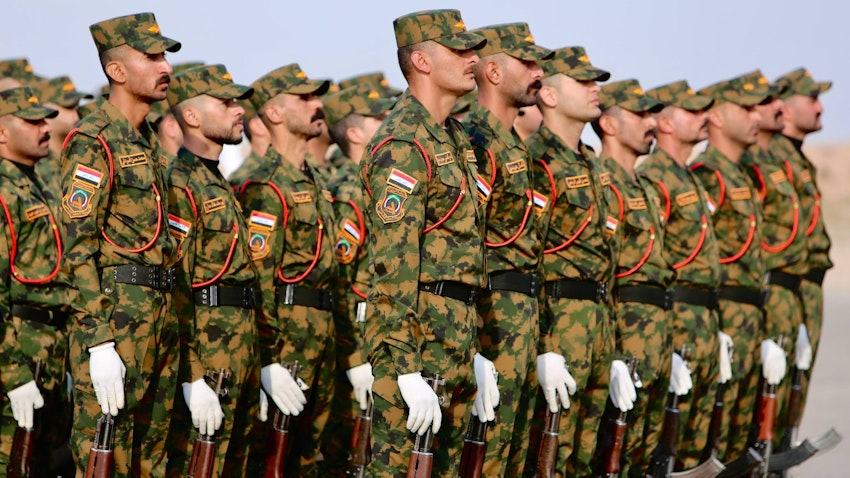
The piece examines reporting that Iran may be relying on Iraqi fighters to help suppress domestic unrest, signaling Tehran's willingness to use external militia networks to bolster internal security. Such operations heighten regional geopolitical risk and could feed into higher risk premia for Iranian and broader Middle East exposures, with possible second-order impacts on energy market volatility and sanctions dynamics that investors should factor into emerging-market and energy positions.
Market structure: Short-term winners are oil exporters and energy majors (higher risk premium on Brent/WTI), gold and USD safe-haven instruments, and Western defense contractors with Middle East exposure (LMT, RTX, GD). Losers are Iraqi sovereign credits, EM local-currency assets (Iraq, Lebanon), regional airlines and shipping insurers; expect widened spreads and higher insurance premia for Persian Gulf routes. Competitive dynamics favor integrated majors and traders who can flex supply; independent producers with tight margins face pricing power loss if shipping/insurance costs rise 5–15%. Cross-asset: expect ~25–75bp drop in 10y UST yields in knee-jerk, +3–6% gold, +5–12% Brent move in first 2–6 weeks under escalation scenarios.
Risk assessment: Tail risks include escalation to cross-border Iranian-Iraqi conflict, closure of Strait of Hormuz, or US sanctions on Iraqi entities—each could push Brent >$90 within 30 days and cause EM credit spread widenings >200bp. Immediate (0–7 days): volatility spikes; short-term (weeks–months): oil/gold mean-revert or reprice; long-term (quarters): structural sanction regimes and supply-chain re-routing. Hidden dependencies: Iraqi banking access, shipping insurance, and Chinese/Iranian trade corridors; secondary sanctions could contagion-hit non-US energy firms. Catalysts: major protest flare-ups, US troop movements, formal sanction announcements, or Iranian proxy cross-border attacks.
Trade implications: Tactical longs in energy and gold, defensive long-duration bonds, and selective defense equities. Use ETF/tools: BNO or USO call spreads for oil (3-month), GLD calls for gold, TLT for duration, EMB shorts for EM sovereign stress, and 1–2% long positions in LMT/RTX as geopolitical insurance. Pair trades: long GLD (or GDX) vs short EEM to hedge EM equity drawdown; long TLT vs short EMB to play safe-haven vs EM stress. Time entries to volatility: act within 0–30 days while premium elevated; trim if Brent < $75 or spreads normalize.
Contrarian angles: Consensus assumes sustained escalation; history (2019 tanker attacks) shows oil spikes often fade within 6–12 weeks absent infrastructure damage. The market may overpay short-term risk premia—opportunity to sell volatility after a 20–40% VIX-style collapse in energy vol. Unintended consequences: aggressive sanctions on Iraqi actors could reduce Iraqi oil flows for quarters, creating a multi-month structural support for prices—don’t short oil beyond 2–3 months absent clear de-escalation signals.
AI-powered research, real-time alerts, and portfolio analytics for institutional investors.
Request DemoOverall Sentiment
moderately negative
Sentiment Score
-0.45
