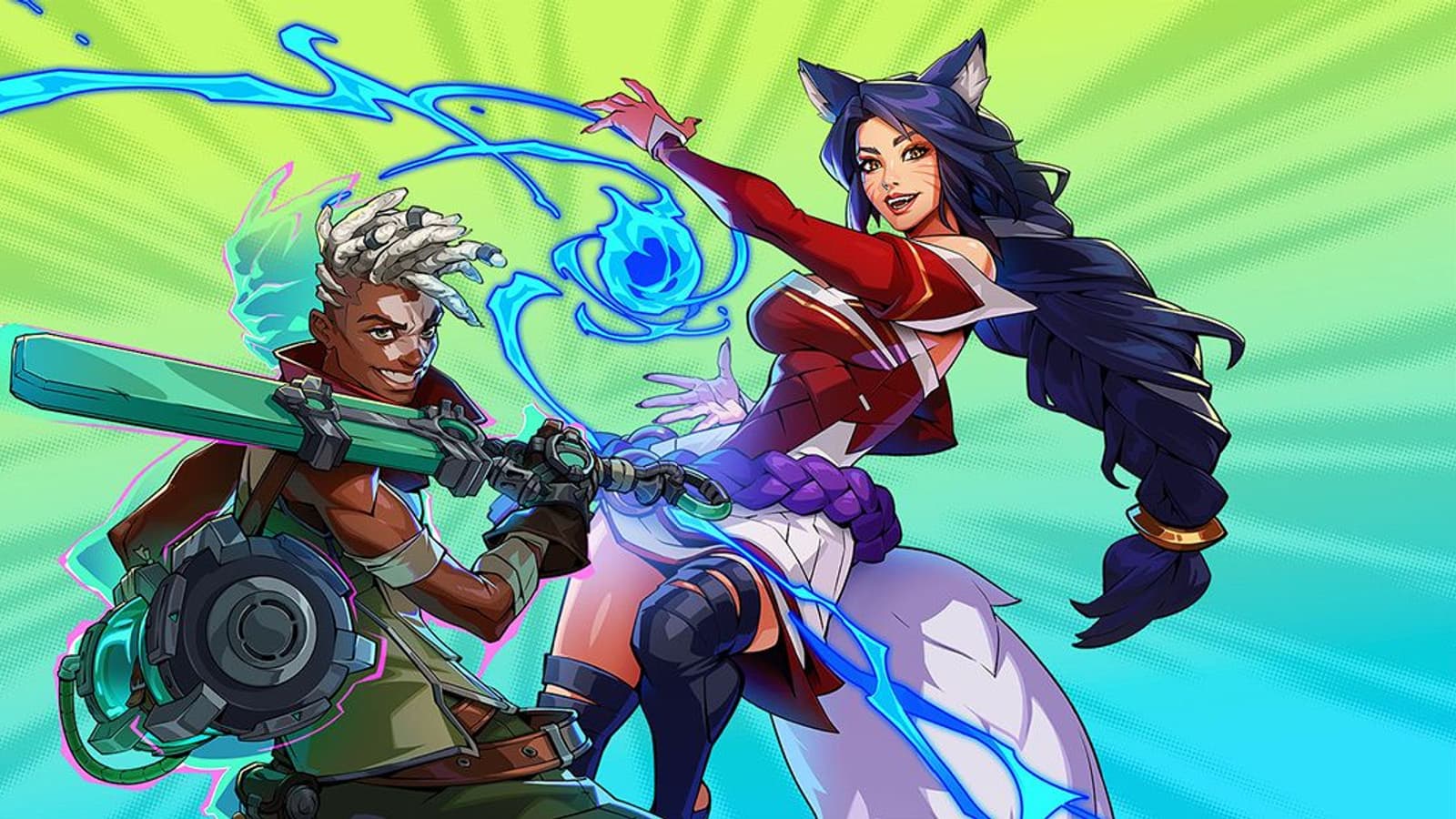
Riot Games has cut the development team working on 2XKO, its League of Legends–based free-to-play fighting game, weeks after the title exited early access and launched on consoles on January 21, citing insufficient player engagement for sustaining a team of its previous size. Executive Producer Tom Cannon said the company will offer affected staff transfers or at least six months’ pay and severance, while Riot maintains it is not abandoning the game and will continue development with a smaller, focused team to implement community-requested improvements; the scale of the layoffs was not disclosed and at least one former producer reported abrupt termination.
Market structure: The Riot/2XKO haircut benefits large diversified incumbents (Tencent 0700.HK, MSFT, EA, TTWO) that can reallocate live‑service teams and capture scarce player attention; smaller studios and pure‑play fighting/IP specialists are direct losers. The signal is demand-constrained: player attention is the scarce resource, not content supply—expect pricing power to tilt toward platforms and franchises with proven live monetization, pressuring valuations of niche IPO/earnings‑sensitive developers. Cross‑asset impact will be limited but tangible: implied vol should rise for small‑cap gaming equities and ETFs (ESPO), while sovereign bonds and FX remain unaffected absent broader tech drawdown.
Risk assessment: Tail risks include an outsized goodwill/impairment charge at Tencent or contagion to mid‑cap gaming stocks if multiple new IPs underperform; regulatory labor/backpay suits from abrupt layoffs are a low‑probability, high‑cost risk. Time horizons: immediate (days) = sentiment swings; short (weeks/months) = engagement metrics, patches, and community reviews; long (quarters) = revenue recognition, M&A fire sales or talent spinouts. Hidden dependencies include engine/tool vendors (Unity U) and streamer ecosystems; a drop in streamer support could accelerate user churn. Catalysts: Tencent quarterly results (30–60 days), major patches/content drops (30–90 days), competitor releases (90–180 days).
Trade implications: Tactical trades favor owning scale and live‑ops resilience while shorting niche exposure. Consider pair trades: long EA (EA) / short ESPO or EMBRAC‑B.ST to capture relative stability; use small sizes (1–2% each) and 3–6 month horizons. Options: buy 3‑month put spreads on ESPO sized to 0.5% portfolio risk to hedge headline risk; expect VIX‑like vol in small caps to spike 20–50% on negative updates.
Contrarian angles: Consensus understates that a smaller, focused team can improve per‑developer ROI—this can limit downside for Tencent and create acquisition targets (12–24 months). Historical parallels: shelved titles leading to IP monetization via sale/licensing (Sony/Activision examples); market may overprice immediate layoffs as firm failure. Unintended consequence: talent dispersion could produce startups that become takeover targets, creating asymmetric upside for acquirers and early investors in M&A plays.
AI-powered research, real-time alerts, and portfolio analytics for institutional investors.
Request DemoOverall Sentiment
moderately negative
Sentiment Score
-0.40
