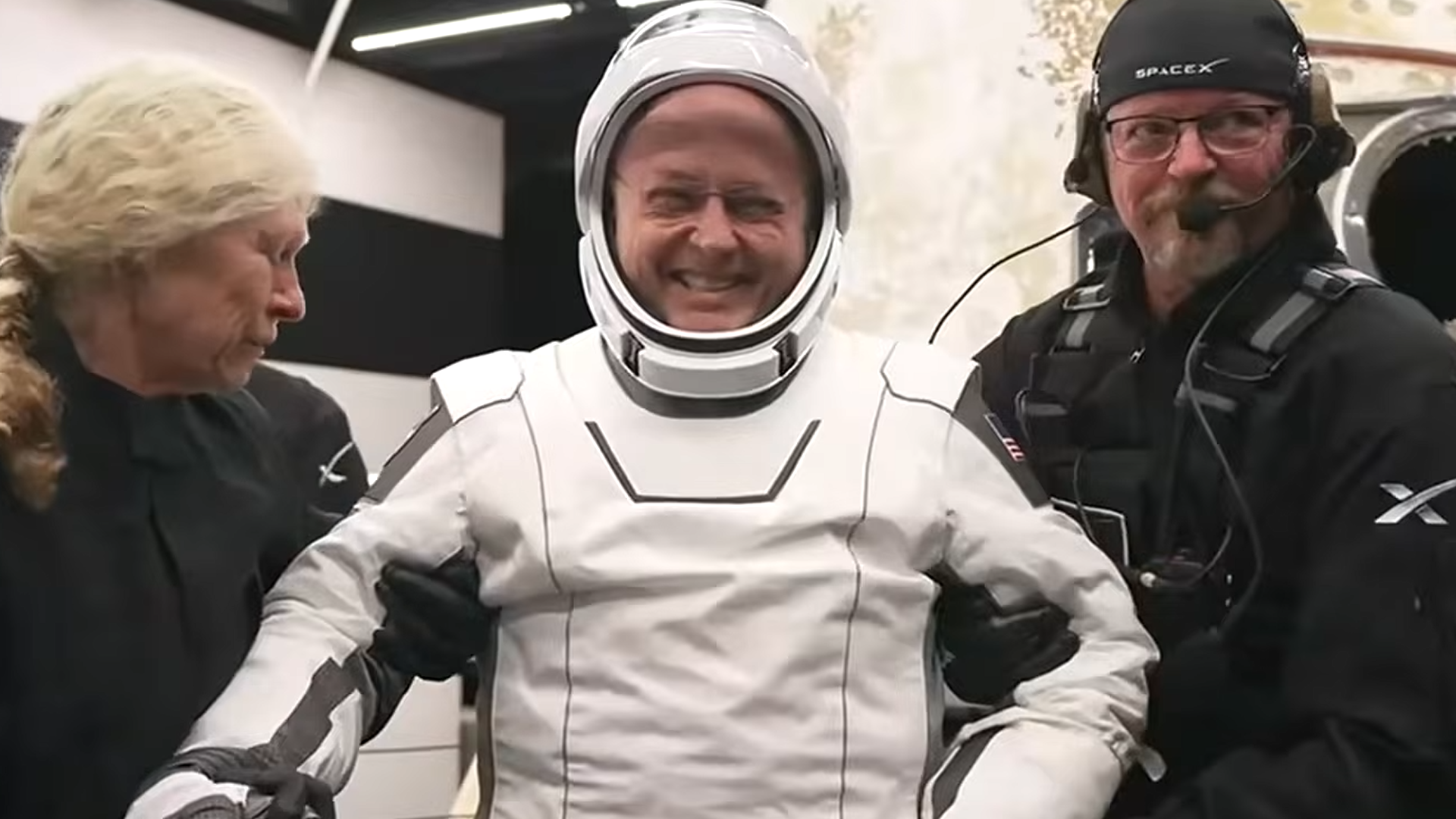
A medical incident aboard Crew-11 in early January 2026 prompted the first expedited medical evacuation from the ISS in 25 years of continuous crewed operations; the four astronauts returned on a SpaceX Dragon and NASA has declined to disclose clinical details. The piece outlines ISS medical capabilities—designated Crew Medical Officers, telemedicine support, and low routine medication use (~10 OTC doses per astronaut per week)—and quantifies space health risks including skin conditions (~25x Earth rates), sleep loss (1–2 hours/night), musculoskeletal injury rates (219 in-flight injuries catalogued; ~0.02 per flight day; 0.26 per EVA), bone loss (~1% density/month), and SANS affecting up to 70% on long missions. It also cites a 2020 jugular clot telemedicine case managed over ~90 days and notes emerging needs for Earth-Independent Medical Operations potentially assisted by AI as missions move beyond LEO.
Market structure: The medical-evacuation event is a structural tailwind for niche providers of point-of-care diagnostics, telemedicine platforms, edge-AI compute, satellite bandwidth and government aerospace contractors who win NASA/CSA/ESA health-systems contracts. Expect pricing power for specialized devices (ultrasound, portable labs) and software integration services to rise 10–30% premium versus commodity medtech over 12–36 months as agencies prioritize reliability and redundancy.
Risk assessment: Tail risks include a high-profile in-orbit fatality or regulatory clampdown that could pause commercial LEO ops (low probability, high impact) and supply-chain shocks for radiation-hardened compute or MEMS sensors. Near-term (days–weeks) volatility will be driven by agency statements; medium-term (3–12 months) by RFPs and contract awards; long-term (2–5 years) by adoption of Earth-Independent Medical Operations and AI validation cycles. Hidden dependency: commercial telemedicine efficacy hinges on resilient space comms (Starlink/Iridium) and prioritized payload launch capacity.
Trade implications: Direct plays: favor edge-AI (NVDA) and handheld imaging (BFLY) plus satellite comms (IRDM) and defense primes that integrate life‑support (NOC, LMT) with 6–24 month horizons. Use option structures to express convexity: 9–12 month NVDA calls 15–25% OTM, and BFLY 6–12 month call spreads to limit capital. Rotate away from pure consumer space-tourism names (SPCE) and small-cap non-integrated med-equipment makers without validated government customers.
Contrarian: The market underestimates the runway for modular medical hardware (handheld ultrasound, anticoagulation kits) beyond LEO—addressable market >$1–2bn/year over five years if terrestrial EMS and remote clinics adopt the tech. Reaction is underdone: no large-cap re-rating yet; catalyst sequence (NASA RFPs, FDA guidance) could re-rate winners quickly. Watch for regulatory tightening—if FDA issues restrictive guidance within 30–60 days, cut exposure by >50%.
AI-powered research, real-time alerts, and portfolio analytics for institutional investors.
Request DemoOverall Sentiment
neutral
Sentiment Score
0.00
