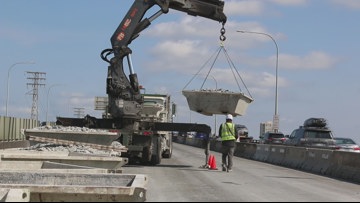
BP Pipelines North America shut both lines of the 400‑mile Olympic Pipeline after workers discovered an oily sheen near Lowell–Snohomish River Road on Nov. 11; response teams are operating 24/7 with booms, vacuum trucks and soil removal, no product has been observed outside the response area but the amount released is still being assessed and there is no timeline to restart the system. Seattle‑Tacoma International Airport, which receives jet fuel from the pipeline, and carriers including Alaska and Delta are enacting contingency plans—tankering fuel on inbound flights, arranging tech stops and increasing truck deliveries—while Washington has authorized extended‑hours fuel trucking; officials warn shortages could begin as soon as Saturday if flow isn’t restored. Regulators say there are currently no reported impacts to the Snohomish River or wildlife, local businesses near the site have been disrupted by related pipeline work, and state and utility regulators are overseeing the ongoing investigation and repairs.
BP Pipelines North America shut both lines of the 400‑mile Olympic Pipeline after workers discovered an oily sheen near Lowell–Snohomish River Road on Nov. 11; the two affected pipes are 16‑inch and 20‑inch and both remain offline while crews conduct 24/7 excavations and visual inspections. BP reports no product observed outside the response area so far, but both the operator and the Washington Department of Ecology say the quantity released is still being assessed and there is no timeline to restart the system.
Seattle‑Tacoma International Airport (SEA) has been placed on alert and carriers including Alaska Airlines and Delta are implementing contingency plans—tankering fuel on inbound flights, arranging tech stops, and increasing trucking—to avoid disruptions while state emergency rules permit extended fuel‑truck hours. Both airlines report no operational impacts at present but warn that shortages could appear as soon as Saturday if pipeline flow is not restored.
Near‑term risks are operational and logistical rather than environmental at this stage: regulators are monitoring the incident, local businesses (e.g., Green Giant Nursery) face ongoing disruption, and market signals show moderately negative sentiment with a modest market‑impact score (0.33). The situation creates short‑duration downside risk for SEA‑exposed airlines and reputational/regulatory risk for BP until spill volumes and a restart timeline are confirmed.
AI-powered research, real-time alerts, and portfolio analytics for institutional investors.
Request DemoOverall Sentiment
moderately negative
Sentiment Score
-0.40
Ticker Sentiment
