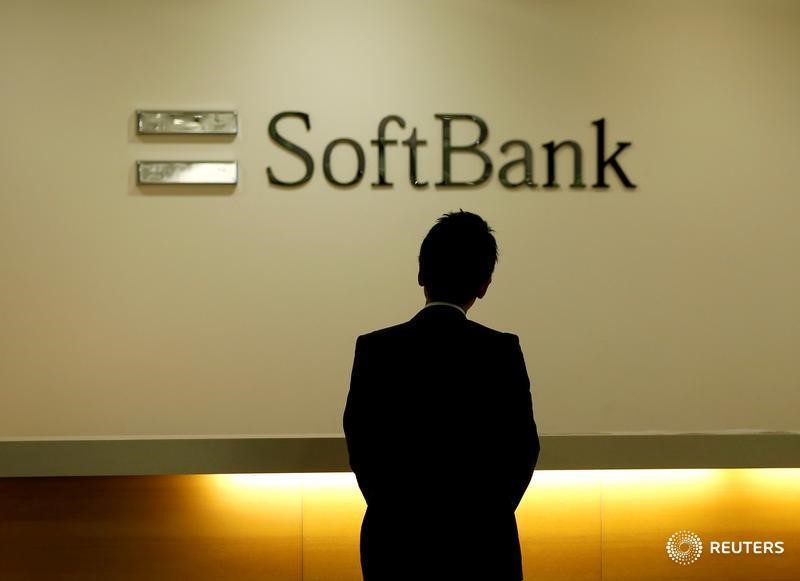
SoftBank shares plunged 10% to 15,365 yen (a 2½-month low) and are down about 32% in two weeks and 44% from a late‑October peak after disclosing it sold its entire NVIDIA stake and holdings in T-Mobile to fund a roughly $40 billion investment in OpenAI. Investors are increasingly concerned about SoftBank's outsized exposure to the AI start-up — which faces fresh competitive pressure from Google's Gemini 3 — and about OpenAI's ambitious spending commitments (cited as over $1 trillion in five years) and unclear KPI-linked funding, heightening scrutiny of valuation and circular financing in the AI supply chain. Investor criticism, including from Michael Burry, and weak sentiment in tech have weighed on the Nikkei given SoftBank's index weight, posing material downside risk to the stock and broader tech positioning.
Market structure: Cloud infra (MSFT, AMZN, GOOGL) and managed inference vendors gain bargaining power as buyers seek diversified routes to models; semiconductor capital expenditures remain the key demand driver even if equity volatility temporarily disconnects from chip fundamentals. Downside transmission will concentrate in Japan (Nikkei/TRI) and concentrated-tech ETFs where a handful of large holders can force index flow slippage; expect increased implied volatility and put-call skew in large-cap tech for 2–8 weeks. Equity supply/demand: public forced-selling creates transient sell pressure while real economy GPU demand from hyperscalers and model training budgets supports mid‑cycle pricing for chips and data‑center services over 6–18 months.
Risk assessment: Tail risks include a funding shortfall at an AI unicorn triggering cascade asset sales, regulatory interventions around model licensing/antitrust, or a concentrated-liquidity event at a major holder — low probability but >$10B balance‑sheet impact for counterparties. Near-term (days–weeks): elevated flow volatility and index reweights; medium (3–12 months): potential equity issuance or NAV markdowns; long (12+ months): durable repricing of AI earnings multiples if compute intensity or pricing collapses. Hidden dependencies: cross‑holdings and credit lines at Vision Fund, ETF rebalancing mechanics, and counterparty margining can magnify moves; catalysts are quarterly results, OpenAI commercial milestones, and Google/MSFT product cadence.
Trade implications: Short concentrated holders via 3‑month put spreads on 9984.T/ADR to capture elevated IV; overweight 6–12 month call spreads in MSFT/GOOGL to play cloud capture of model monetization while keeping capital at risk capped. Pair trade: long AMZN (cloud exposure) vs short Japanese tech ETF (eg, Nikkei‑weighted ETF) to neutralize beta to global tech and isolate OpenAI/SoftBank risk over 1–3 months. Use options to express directional views: buy 3–6 month NVDA call spreads on 15–25% dip thresholds and buy protection (puts) to defend forced‑sale risk.
Contrarian angles: Market is underestimating partner syndication (MSFT/sovereign LPs) which could dilute solvency concerns and re-rate assets back within 3–6 months; forced‑sale narratives historically overstate permanent impairment when core cash flows remain intact. The overreaction creates mispricings in cloud and premium semiconductor names—watch for >20% dislocation windows versus historical implied volatility bands as buy opportunities. Unintended consequence: heavy shorting could accelerate a strategic asset sale that actually reduces systemic risk and creates a snap rebound — set re‑entry rules tied to IV and fundraising disclosures.
AI-powered research, real-time alerts, and portfolio analytics for institutional investors.
Request DemoOverall Sentiment
strongly negative
Sentiment Score
-0.65
Ticker Sentiment
