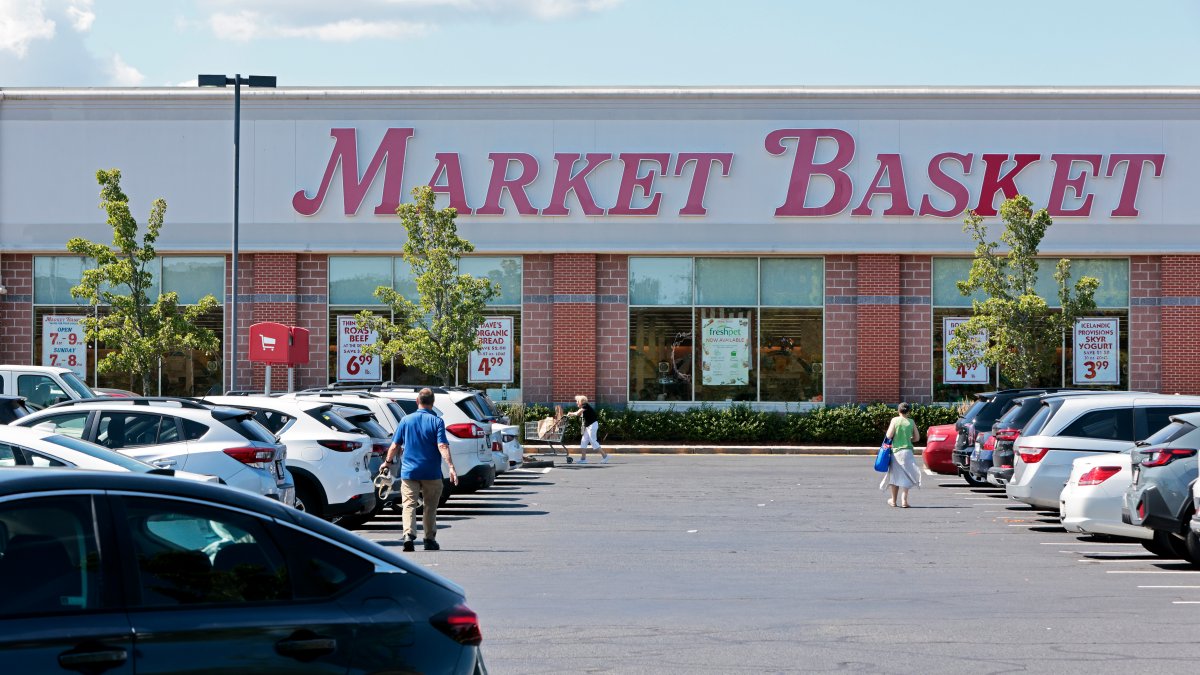
Market Basket named longtime executive Chuck Casassa as president, replacing interim chief Donald Mulligan after the board's victory in court over Arthur T. Demoulas's firing. Mulligan, who served as CFO for 27 years and as interim top executive, will retire after 43 years but remain an advisor. The Delaware Court of Chancery recently upheld Demoulas's termination as valid, and the board said the company is not for sale and remains family-owned.
The key market implication is not the personnel change itself, but the de-risking of governance. A court-tested board now has a cleaner path to enforce oversight, which should compress the probability of a disruptive, founder-driven shock that can bleed into labor relations, vendor confidence, and store-level execution. In a grocery model, where basis points matter and inventory turns are high, even a modest reduction in internal friction can protect gross margin and working capital efficiency over the next 2-4 quarters. The second-order effect is on competitive behavior in New England. A steadier Market Basket is more likely to keep price leadership intact, which pressures regional peers to defend traffic with lower prices or higher promo spend, especially on perishables and center-store staples. That creates a subtle earnings headwind for incumbents with weaker value positioning and less labor flexibility, while suppliers may face tighter terms if the chain regains negotiating leverage under a stable operating team. The contrarian angle is that this may be a better outcome for continuity than for upside. Private grocery businesses often trade more on operational consistency than strategic re-rating, so the removal of governance overhang reduces tail risk more than it creates an immediate growth catalyst. The biggest risk to the “stability premium” thesis is any renewed family dispute or labor signaling that revives the 2014-style customer backlash; that would matter within days, not months, because grocery share can move fast when trust is questioned. Net: this is a low-drama positive for the business, but not a near-term value creation event unless it leads to measurable margin discipline, capex restraint, or an eventual liquidity event over a 12-24 month horizon.
AI-powered research, real-time alerts, and portfolio analytics for institutional investors.
Request DemoOverall Sentiment
neutral
Sentiment Score
0.05
