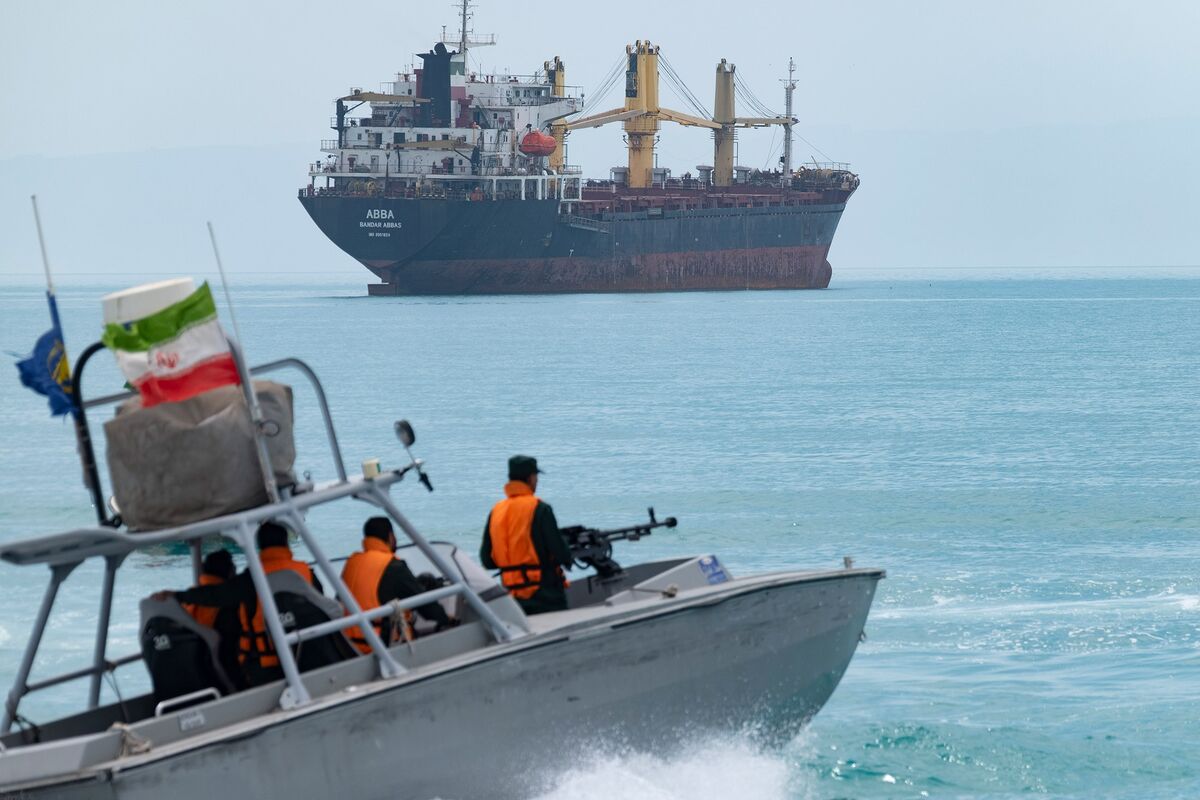
Amidst heightened tensions following US airstrikes, Iran is considering options to disrupt regional oil trade, particularly through the Strait of Hormuz, which sees a fifth of global oil supply transit daily. While Iran has previously threatened to close the strait, it possesses less drastic measures to impact adversaries while minimizing repercussions for key allies like China, its largest oil purchaser.
Heightened geopolitical tensions, marked by US airstrikes, are increasing the probability of Iranian-led disruptions to global oil trade. The focal point is the Strait of Hormuz, a critical chokepoint responsible for the transit of one-fifth of the world's daily oil supply. While a full closure has been threatened, the more probable scenario involves a calibrated response from Iran, designed to penalize adversaries without alienating key allies like China, its primary oil customer. This suggests a strategic approach aimed at creating market volatility and uncertainty rather than a complete supply halt. The high market impact score (0.85) and strongly negative geopolitical sentiment (-0.8) underscore the market's sensitivity to this risk. However, this same risk translates into a bullish outlook for crude oil prices, as reflected by the positive sentiment score (0.7) for oil-tracking ETFs such as USO and DBO, indicating that any supply disruption, or threat thereof, is a significant catalyst for price appreciation.
AI-powered research, real-time alerts, and portfolio analytics for institutional investors.
Request DemoOverall Sentiment
strongly negative
Sentiment Score
-0.80
Ticker Sentiment
