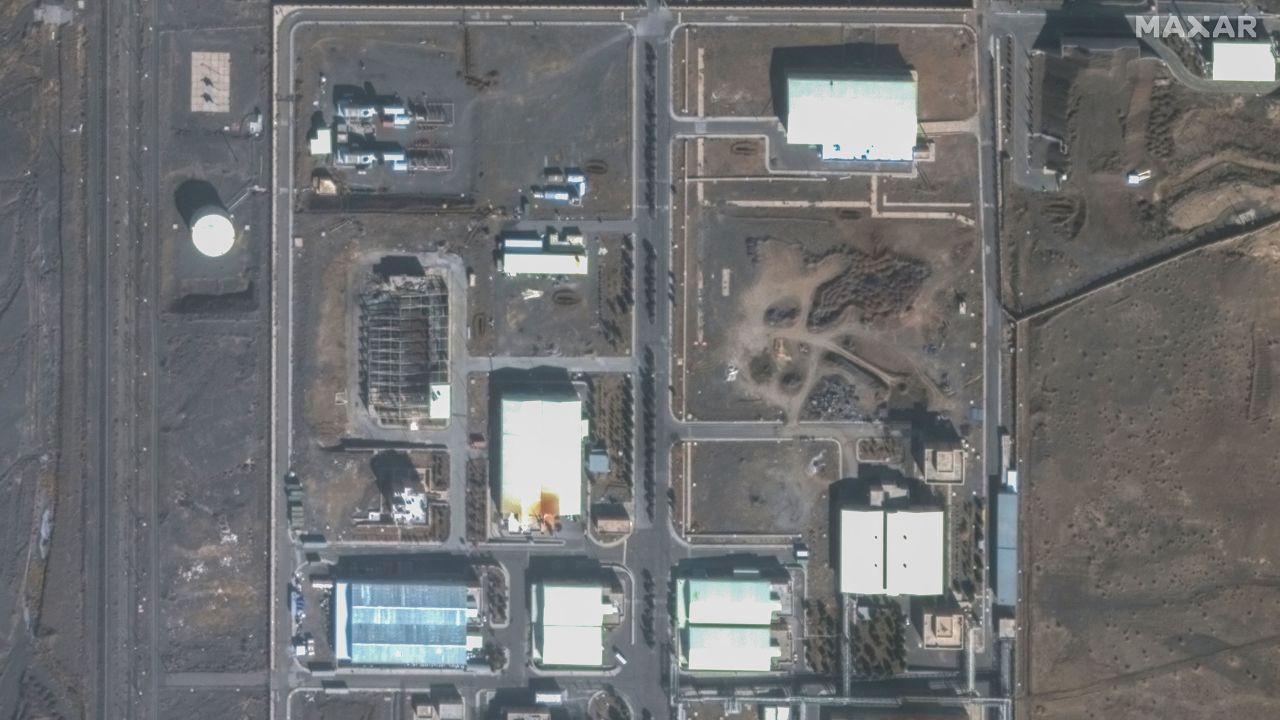
More than 350 Iranian ballistic missiles have been launched at Israel since Feb 28 as the US-Israel campaign enters its 26th day following strikes that killed Iran’s supreme leader. Israel reports a 92% intercept rate but has suffered direct hits (including Dimona), 15 civilian deaths in Israel, 150+ wounded in the largest single-day toll, and nationwide disruptions (outgoing flights cut to one per hour). Domestic support remains high (66% satisfied), but sustained Iranian attrition, cluster munitions and repeated breaches of air defenses raise regional escalation risks and potential market/economic spillovers, driving a risk-off backdrop.
The persistent, high-rate exchange has turned a tactical strike campaign into a structural procurement impulse: governments and militaries reprioritize low-cost endgame interceptors, electronic warfare, C2 upgrades and replenishment stocks rather than single-platform prestige buys. Expect procurement cycles to shift orderbooks toward components with short manufacturing lead times (RF front-ends, seekers, rocket motors) and aftermarket services (maintenance, spares) where margin capture is fastest; these supply chains typically show visible tightness 3–9 months after demand shocks.
Civilian spillovers favor durable risk premia in travel and insurance for multiple quarters. Flight schedules, cross-border tourism contracts and airport concession cashflows re-price quickly and recover slowly; historical analogs point to a 2–4 quarter lag before passenger volumes normalize even if kinetic activity de-escalates. Reinsurers and primary insurers will adjust pricing aggressively on renewals, creating earnings volatility in the next 1–2 reporting cycles.
Politically, repeated “victory” messaging increases tail-risk asymmetry: either a rapid diplomatic settlement collapses defense spending upside within 30–90 days, or the conflict grinds into a multi-year readjustment of regional baselines prompting durable reallocation into defense, energy security, and resilient logistics. That dichotomy makes calibrating option tenor and sizing crucial: short-term hedges for diplomatic reversals and 6–18 month exposure to capture procurement and premium repricing are both defensible depending on portfolio convexity.
AI-powered research, real-time alerts, and portfolio analytics for institutional investors.
Request DemoOverall Sentiment
strongly negative
Sentiment Score
-0.65
