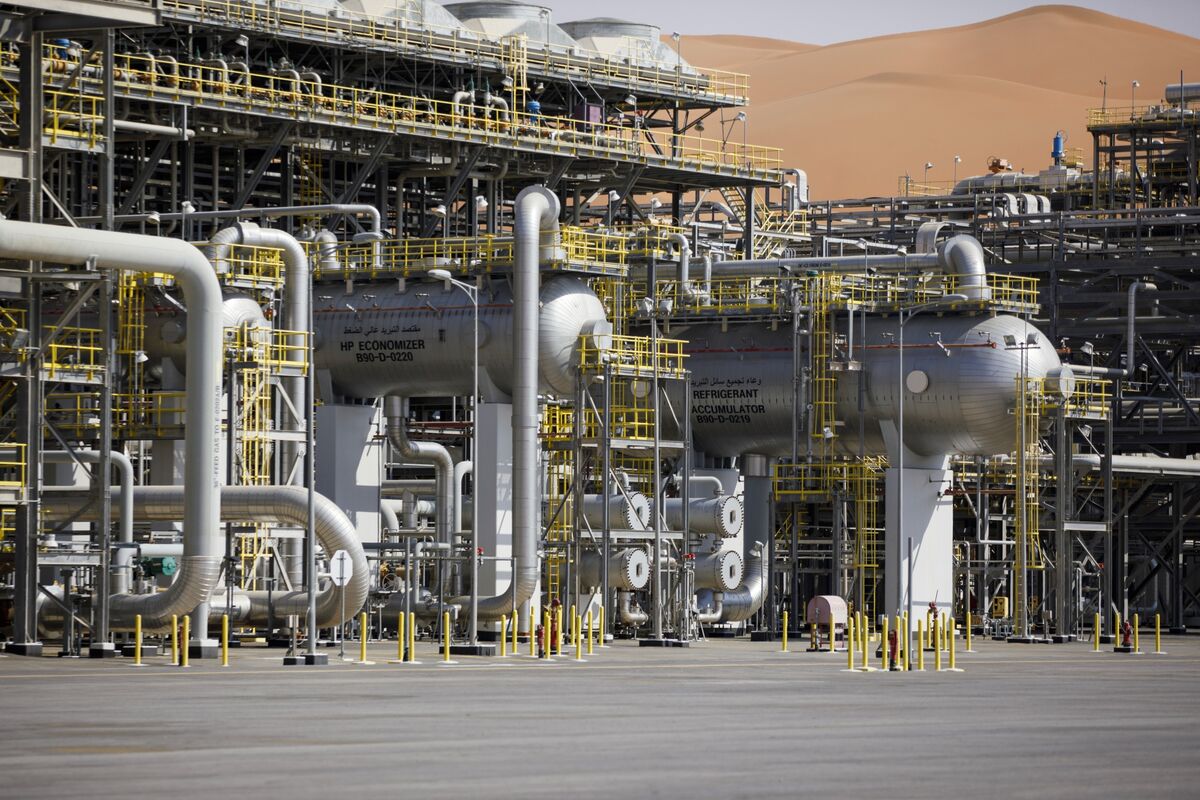
Chinese refiners are reducing September-loading oil nominations from Saudi Arabia, a move Energy Aspects attributes to increased availability of Russian Urals crude and comfortable stockpiles. This shift signals a potential rerouting of global oil trade flows, with China increasingly favoring Russian supply.
A notable shift in global oil trade flows is indicated by Chinese refiners reducing their September-loading term cargo nominations from Saudi Aramco. According to analysis from Energy Aspects Ltd., this reduction is not a sign of weakening demand but rather a strategic pivot driven by two key factors: the increased availability of Russian Urals crude and comfortable domestic inventory levels. This development suggests that Russian oil, likely offered at a competitive price, is successfully displacing traditional Middle Eastern supplies in the world's largest crude importing nation. The action by Chinese refiners underscores a significant rerouting of energy supplies, reflecting the broader geopolitical landscape's impact on commodity markets. While the report is neutral in tone, its high market impact score highlights the significance of this trade reshuffle for global energy pricing and producer market share.
AI-powered research, real-time alerts, and portfolio analytics for institutional investors.
Request DemoOverall Sentiment
neutral
Sentiment Score
0.00
