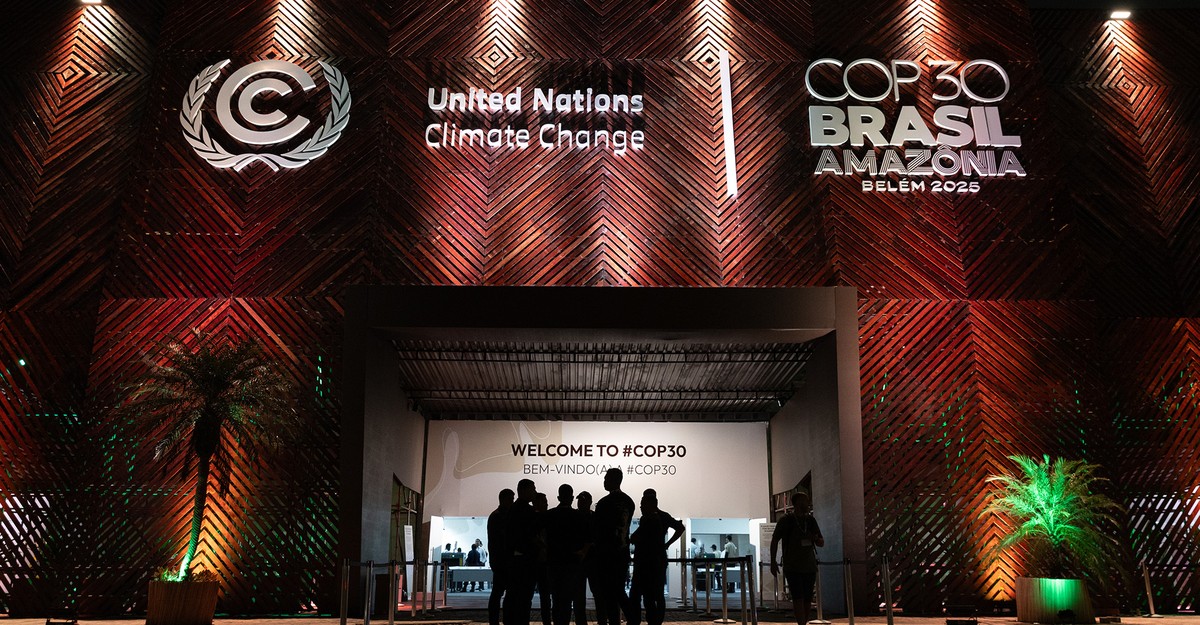
Global CO2 emissions hit a record 38.1 gigatons this year and the UN projects current policies will produce nearly 3°C of warming by 2100 (with an uncertainty range up to ~4.6°C), driving systemic risks across insurance, credit and sovereign markets. Even with fossil-fuel emissions halted, food-system emissions and carbon-cycle feedbacks could push temperatures past critical thresholds, while water demand is expected to outstrip supply by 40% by 2030 and glacier melt threatens drinking water for over 2 billion people. The piece warns that continued dependence on oil (and the mining footprint required for decarbonization) will sustain geopolitically powerful fossil-fuel interests and that investors should price in elevated climate-related physical risk to infrastructure, mortgages, government bonds and insurance exposure over multi-decade horizons.
Market structure will bifurcate: metals and grid-scale renewables gain pricing power as project lead times and permitting constrain supply, while coastal real estate, municipal revenue-linked bonds and underpriced P&C insurers see compressed valuations and insurance-cost-driven margin pressure. Commodity-exporting FX (AUD, CAD) should outperform carry-sensitive currencies in 6-18 months as resource demand tightens; sovereign CDS widen selectively for climate-vulnerable nations.
Tail risks include abrupt policy shocks (e.g., a global carbon price approaching $50/ton within 3-5 years) and cascading defaults from concentrated MBS exposures after consecutive extreme-weather seasons; immediate risk is elevated loss volatility in next 12 months, structural solvency risk unfolds over 3-10 years. Hidden dependencies: reinsurance, municipal revenue, and bank CRE lending form a correlated loss channel that can transmit to credit and sovereign markets.
Trade implications: favor exposure to copper/lithium supply deficits and vertically integrated utilities while hedging real-estate, regional-bank and insurer risk; expect metal deficits within 12–36 months and insurance-loss volatility to peak seasonally. Cross-asset hedges (puts on VNQ/KRE, allocation to ILS/CAT bonds, and TIPS) reduce portfolio beta to climate shocks while preserving commodity upside.
Contrarian read: the market underestimates mining bottlenecks and overestimates short-term oil demand destruction — aggressive short positions on majors are premature. Historical parallels (post-2008 green promises) show commodity rebounds; stage exposures over 6–18 months, trimming 25–40% into rallies to avoid crowding and policy lurches.
AI-powered research, real-time alerts, and portfolio analytics for institutional investors.
Request DemoOverall Sentiment
strongly negative
Sentiment Score
-0.75
