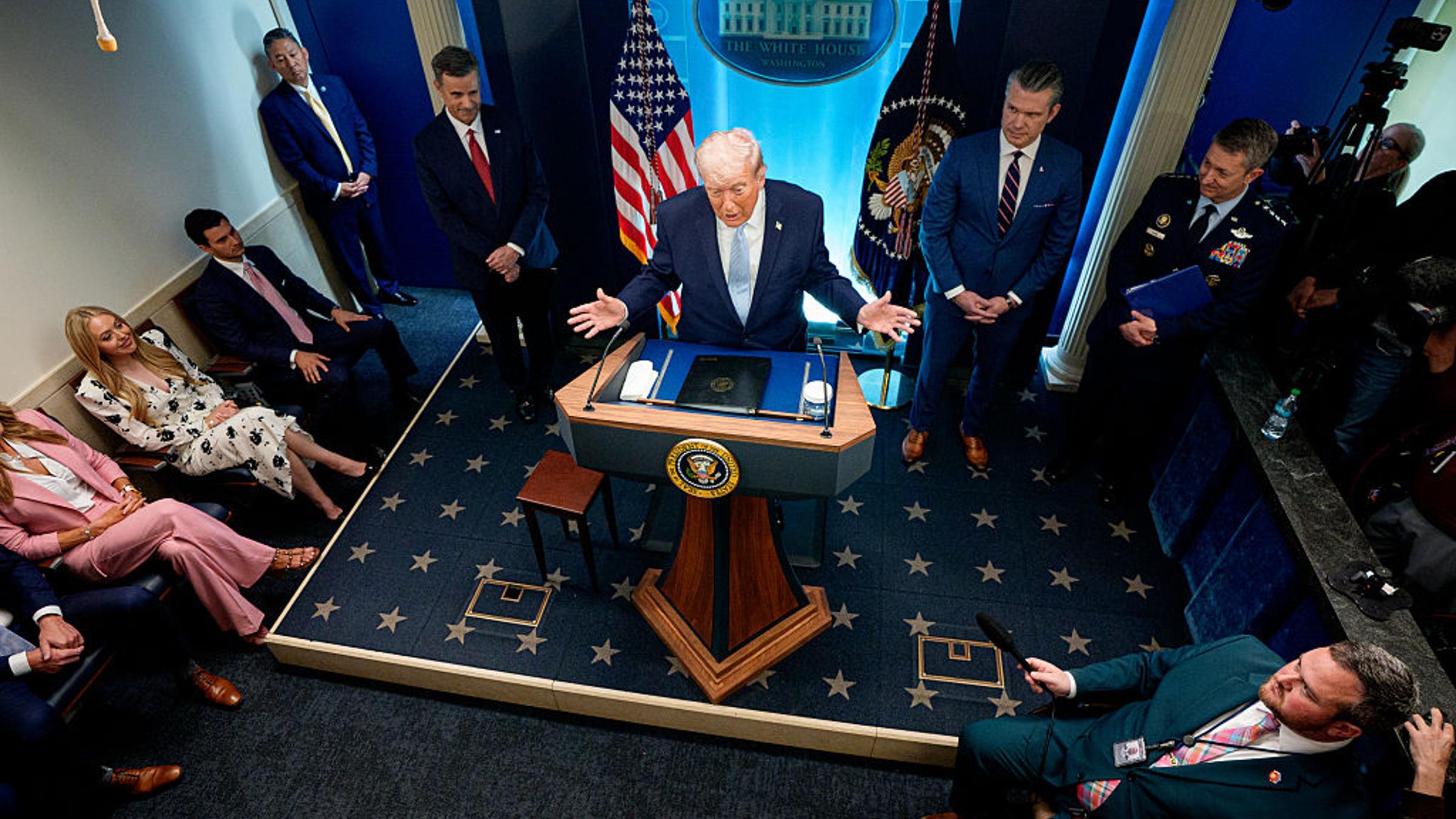
President Trump threatened to bomb Iranian civilian infrastructure (power and desalination plants, bridges, potentially nuclear sites) and set a deadline that he later extended by two weeks contingent on reopening the Strait of Hormuz. Legal experts say such strikes would amount to war crimes, increasing geopolitical risk and the likelihood of disruptions to oil and gas shipments via the Strait, prompting risk-off positioning and heightened market volatility.
Markets are pricing a credible risk to maritime chokepoints and coastal civilian infrastructure rather than an incremental kinetic skirmish; the economic channel works through tanker route re‑routing (adding ~7–12% voyage time), higher tanker TCEs, and immediate spot Brent/WTI dislocations that can add $10–25/bbl within 1–6 weeks if transit disruptions persist. Energy-stock beta will outpace fundamentals in the first 2–8 weeks, but inventory buffers and SPR releases can limit upside to episodic spikes rather than a sustained multi-quarter oil shock.
Legal and reputational tail risks create a countervailing dynamic for defense suppliers and the U.S. military apparatus: higher near‑term procurement and contractor revenues are likely, but the risk of prosecution/contract disputes and constrained rules-of-engagement increases the probability of multi-year multiple compression for firms with direct operational footprints or supply‑chain exposure. Insurers and reinsurers will react fastest—expect war‑exclusion re‑underwriting and premium jumps that hit shipping, commodity transport, and large utilities within 30–90 days.
Over 6–36 months this episode accelerates capex into decentralised resilience (microgrids, on‑site generation, hardened data centers) and cybersecurity for energy/transport operators, creating durable winners. However, the market risk premium may already overshoot: if no further kinetic action occurs within 2–4 weeks, expect a sharp mean‑reversion in risk assets as fear‑priced volatility evaporates and carry trades re‑assert themselves.
AI-powered research, real-time alerts, and portfolio analytics for institutional investors.
Overall Sentiment
extremely negative
Sentiment Score
-0.90
