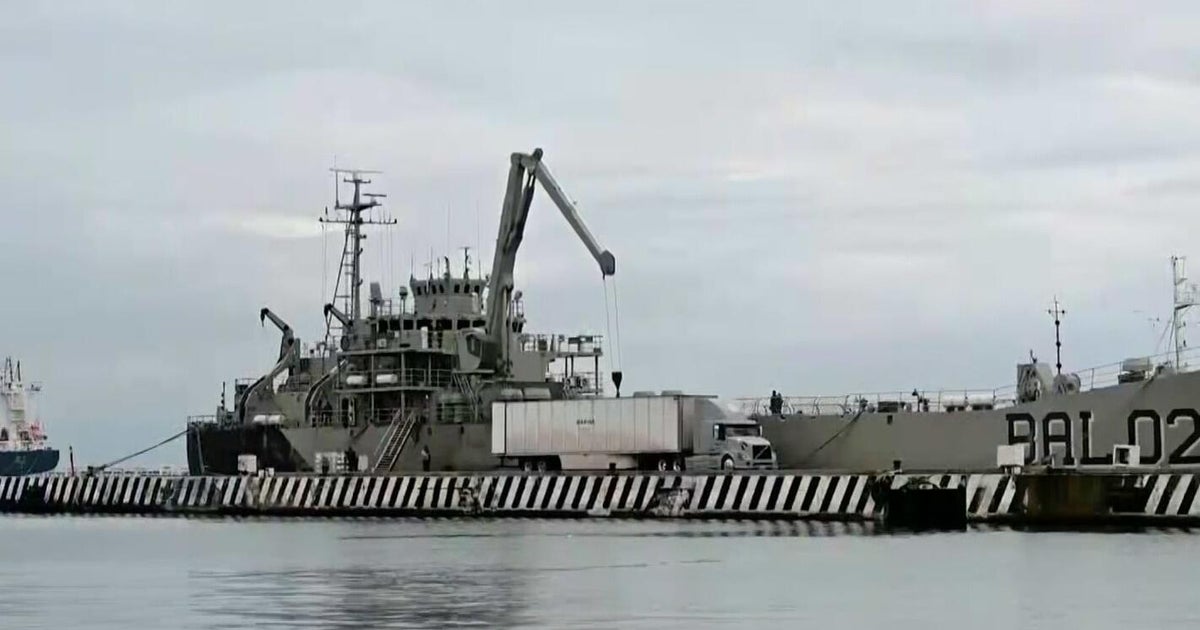
Air Canada has suspended flights to Cuba amid an acute aviation fuel shortage, while continuing to send empty aircraft to repatriate passengers; flights between South Florida and Cuba remain unaffected. The disruption follows Mexico's recent halt to oil shipments to Cuba amid threats of U.S. tariffs and comes as Cuban leadership warns of sharply curtailed activity and local authorities in Miami-Dade increase enforcement against businesses tied to the regime. The situation poses localized downside risk to carriers and travel-related revenues to Cuba and highlights geopolitical-driven supply constraints in fuel logistics, though broader market impact is limited.
Market structure: Short disruption to Cuba air service directly hurts Air Canada (AC.TO) on the route and increases operational complexity for carriers serving the Caribbean; regional bunker suppliers, US Gulf refiners (e.g., VLO, MPC) and spot fuel traders are marginal winners as diesel/jet fuel flows re-route and spot premiums in the Caribbean could rise 5–15% if shipments are delayed beyond 2–4 weeks. Competitive dynamics favor larger integrated airlines that can redeploy aircraft and inventory flexibility; smaller niche carriers or tour operators focused on Cuba face pricing power loss and potential route suspensions. Cross-asset signals are small but real: tighten jet-fuel/ULSD crack spreads (near-term), modest negative sentiment for AC.TO equity and short-dated airline CDS widening if disruption persists, limited FX impact outside local Cuban instruments.
Risk assessment: Tail risks include a prolonged Cuban fuel blockade (3+ months) causing sustained airline network cuts, escalation of US sanctions expanding to third‑party suppliers, or Mexico reversing policy and restoring flows within 1–4 weeks; each has outsized P&L effects for carriers and refiners. Immediate (days): operational flight suspensions and voluntary repatriation costs; short-term (weeks–months): revenue loss, rerouting/positioning costs; long-term (quarters+): contractual renegotiations, potential collateral reputational/regulatory risk for suppliers. Hidden dependencies: remittance channels, county-level enforcement in Miami affecting US‑facing businesses, and how quickly tanker logistics can be reallocated; watch Mexican government statements and tanker AIS data as catalysts.
Trade implications: Tactical: consider a 1–2% portfolio short in AC.TO or a 3‑month put/put spread (buy ATM, sell 8–12% OTM) sized to cap downside to ~2% of capital, target capture within 30–90 days if island fuel not restored. Relative-value: pair long Valero (VLO) 1–2% and short AC.TO 1% for 3–6 months to profit from tighter regional diesel/jet margins versus airline operational stress; take profits if VLO outperforms by >7% or AC.TO rebounds >5%. Options: buy 3–6 month call spread on VLO (limit premium to <2% portfolio) to play widening ULSD cracks; set stop-loss on option deltas <0.35 if catalysts dissipate.
Contrarian angles: Consensus may over-penalize Air Canada—Cuba routes comprise low-single-digit revenue, so AC.TO downside is likely limited unless sanctions widen; a focused short should be size-constrained and timed. Conversely, US refiners may already price in global margins; the real mispricing could be in regional tanker/logistics equities or small-cap fuel traders — monitor spot Caribbean ULSD spreads >$10/bbl above USGC as the trigger to rotate into these names. Historical parallels (Venezuela supply disruptions) show quick eventual substitution via spot purchases within 4–12 weeks unless sanctions prevent trade, so the highest risk is policy escalation, not purely operational shortage.
AI-powered research, real-time alerts, and portfolio analytics for institutional investors.
Request DemoOverall Sentiment
moderately negative
Sentiment Score
-0.40
Ticker Sentiment
