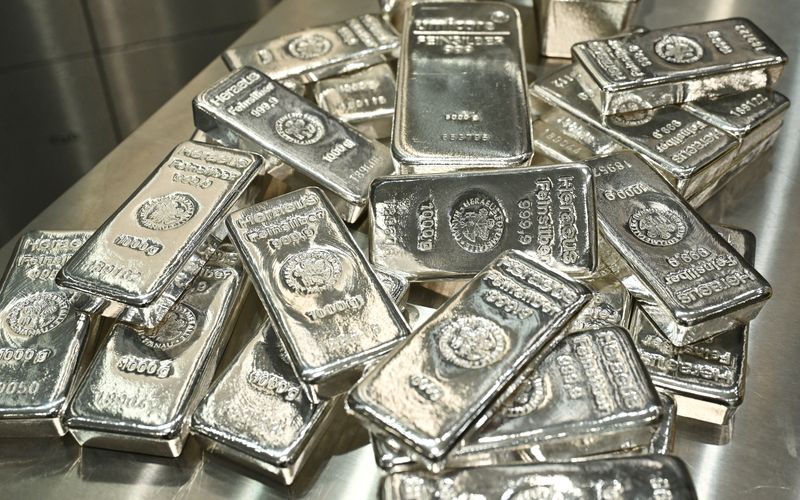
Silver, platinum and palladium have surged year-to-date by roughly 66%, 65% and 50% respectively, driven mainly by private investor flows following Fed rate cuts, thin London inventories and trade-policy uncertainty, according to Goldman Sachs. Tight London floats and relocation of physical metal into U.S. venues amplified an October silver squeeze (silver fell 11% in the unwind, and gold dropped 6% on Oct. 21), while Russian palladium is under an anti-dumping probe and all three metals remain on the U.S. Critical Minerals List (theoretical tariffs up to 50% were exempted in April 2025). Goldman warns these markets lack gold’s institutional lending depth, leaving them vulnerable to volatility, but judges broad U.S. tariffs or a Russian palladium ban unlikely; industrial demand is mixed (China EV adoption reduces some PGM autocatalyst demand) and U.S. production and reserves are limited, implying persistent supply and liquidity risks for traders and hedge funds.
Market structure: The recent 50–66% YTD rallies in silver, platinum and palladium reflect retail flows into small, illiquid markets and physical relocation into U.S. exchanges — not matched industrial demand (silver fell 11% in four days Oct 17–21, gold -6% on Oct 21). Winners: physical-ETFs (SLV/PPLT/PALL), storage/clearing desks and U.S. exchange liquidity providers; Losers: London bullion market participants, automakers exposed to PGM cost shocks and small-cap suppliers that depend on steady prices. Tight London floats amplify short-term squeezes; even a small inventory move (5–10%) can create 20–40% price swings in these thin markets.
Risk assessment: Tail risks include sudden tariff or anti-dumping rulings (policy shock causing +20–50% spikes), Russian supply bans (government study: +24% palladium, ~$1B automaker loss) or South African operational disruption (strikes). Immediate (days): volatility spikes around inventory/Fed/trade announcements; short-term (weeks–months): retail reallocation reversals; long-term (years): demand substitution (copper for silver in solar) and capex-lagged mine supply. Hidden dependencies: ETF redemption mechanics, concentrated miner ownership, and autocatalyst scrap dynamics that can flip supply quickly.
Trade implications: Favor event-driven, size-controlled positions—buy tightness-exposed instruments on confirmed U.S. physical inflows or policy scares, hedge with puts or call-spreads. Avoid unhedged long exposure to junior PGM miners; prefer liquid ETFs (SLV/PALL/PPLT) or large diversified miners for portfolio-level P/L stability. Cross-asset: metal squeezes raise implied vol (options), push USD safe flows (FX), and create transient inflation signals that can steepen short-end rates if sustained.
Contrarian angles: Consensus understates inventory-driven squeezes — odds of a repeat short squeeze before inventories rebuild are material (30–40% next 3–6 months). Conversely, the rally may be overdone: absent durable industrial demand, a 30–50% mean reversion is plausible if London float normalizes. Historical parallels: 2020–22 solar substitution and 2023 copper/gold squeezes show rapid substitution and fast unwind; therefore size positions for v-shaped outcomes and prioritize liquidity.
AI-powered research, real-time alerts, and portfolio analytics for institutional investors.
Request DemoOverall Sentiment
mixed
Sentiment Score
0.05
Ticker Sentiment
