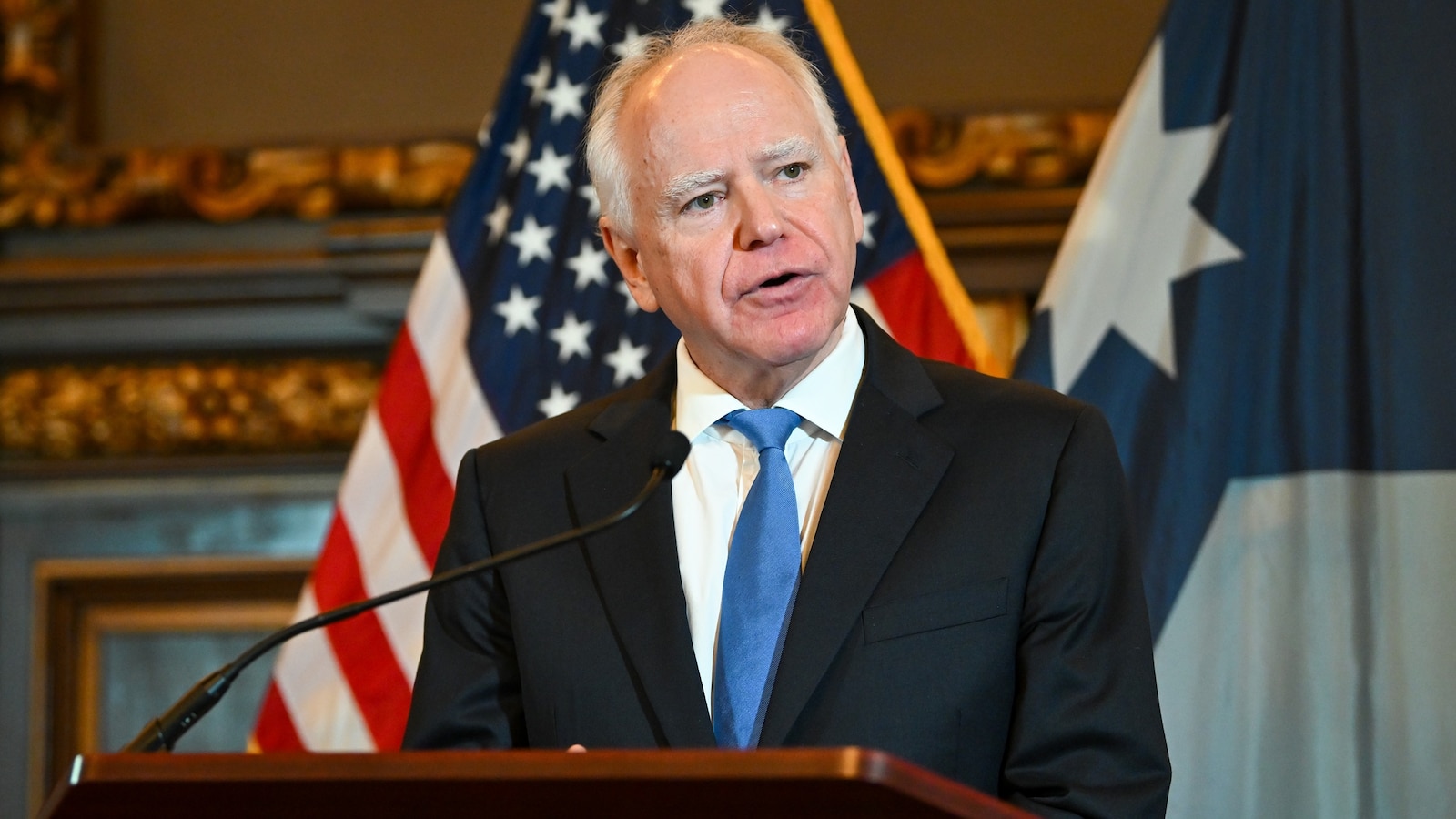
Minnesota Gov. Tim Walz announced he will not seek reelection amid an unfolding child-care fraud scandal tied to COVID-era nutrition programs that federal prosecutors say involved at least 70 people and more than $250 million, and allegations involving the nonprofit Feeding Our Future. The controversy has prompted increased federal scrutiny — HHS has paused child-care funding to all states pending proof of legitimate spending — and reshapes the 2026 gubernatorial race (with Sen. Amy Klobuchar reportedly weighing a run and Trump-aligned Mike Lindell already in the race), creating near-term political uncertainty for state governance and potential budget and programmatic impacts for providers.
Market structure: This is a state-level political shock with concentrated winners (national Republican strategists, partisan media, local broadcast ad sellers) and losers (Minnesota state finances, local childcare nonprofits, providers reliant on paused federal reimbursements). Expect tighter financing conditions for Minnesota GO paper and increased compliance costs for childcare and nutrition vendors; national markets get only modest direct effects but local ad inventory and political media revenues should firm into the 6–12 month cycle.
Risk assessment: Tail risks include a prolonged federal funding freeze (90–180 days) that forces contractor bankruptcies and pushes Minnesota 10y GO spreads wider by >20–50 bps, or a hardline governor winning that triggers state-level regulatory shifts affecting business taxes and procurement. Near-term (days–weeks) volatility is political messaging; short-term (weeks–months) is funding reversals and investigations; long-term (quarters) is electoral outcomes shifting state budgets and sector regulation. Hidden dependencies: federal audit timing (HHS/DoE) and criminal prosecutions will be primary catalysts.
trade implications: Tactical plays favor defensive munis and short-duration treasuries, modest hedges on education/childcare equities (e.g., BFAM), and selective longs in broadcast/media that sell political ads (e.g., NXST) ahead of a hotter 2026 cycle. Use option-defined risk (3-month debit put spreads) for childcare names and threshold-based entry for muni opportunities (see decisions). Expect action windows of 30–90 days for funding updates and 3–9 months for ad revenue realization.
contrarian angles: Consensus treats this as purely political noise; credit markets may overreact and misprice state risk — a >20 bp spread widening on MN 10y vs. national muni curve could be a tactical buy (mean-revert within 3–9 months once funds resume). Similarly, childcare operators with diversified revenue (Bright Horizons BFAM) may be oversold; defined-risk option structures can capture recovery if HHS releases funds within 60–120 days. Monitor criminal case milestones as key reversal points.
AI-powered research, real-time alerts, and portfolio analytics for institutional investors.
Request DemoOverall Sentiment
moderately negative
Sentiment Score
-0.32
