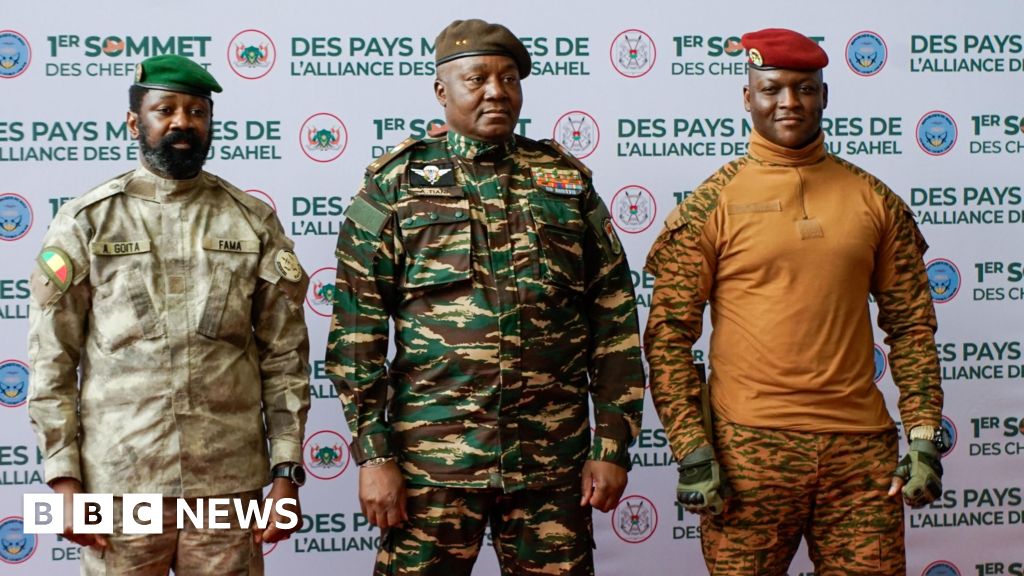
Burkina Faso, Mali, and Niger, military-led nations with growing ties to Russia, have announced their withdrawal from the International Criminal Court (ICC), effective one year after UN notification. Citing the ICC as an instrument of "neo-colonialist repression" and biased against African states, this coordinated action, following their prior exit from ECOWAS, signals a further geopolitical shift away from Western-backed international institutions. The move deepens their isolation and raises concerns about regional governance, human rights, and stability in the Sahel, particularly as their armies face accusations of civilian crimes.
The coordinated withdrawal of Burkina Faso, Mali, and Niger from the International Criminal Court (ICC) marks a significant geopolitical realignment in the Sahel region, signaling a deepening pivot away from Western-backed international institutions. This action by the three military-led states, which follows their joint exit from the regional ECOWAS bloc, underscores their increasing isolation from Western powers and strengthening ties with Russia, whose leader is subject to an ICC arrest warrant. The juntas justify the move by labeling the ICC an instrument of "neo-colonialist repression" with an anti-African bias, a narrative that could find resonance elsewhere on the continent. The decision heightens political and operational risk in the region, as it diminishes international legal oversight at a time when the armies of these nations face accusations of crimes against civilians in their fight against jihadist groups. This step, aimed at replacing international jurisdiction with "indigenous mechanisms," effectively reduces accountability and could exacerbate instability and human rights concerns, further complicating the investment landscape in these frontier markets.
AI-powered research, real-time alerts, and portfolio analytics for institutional investors.
Overall Sentiment
moderately negative
Sentiment Score
-0.50
