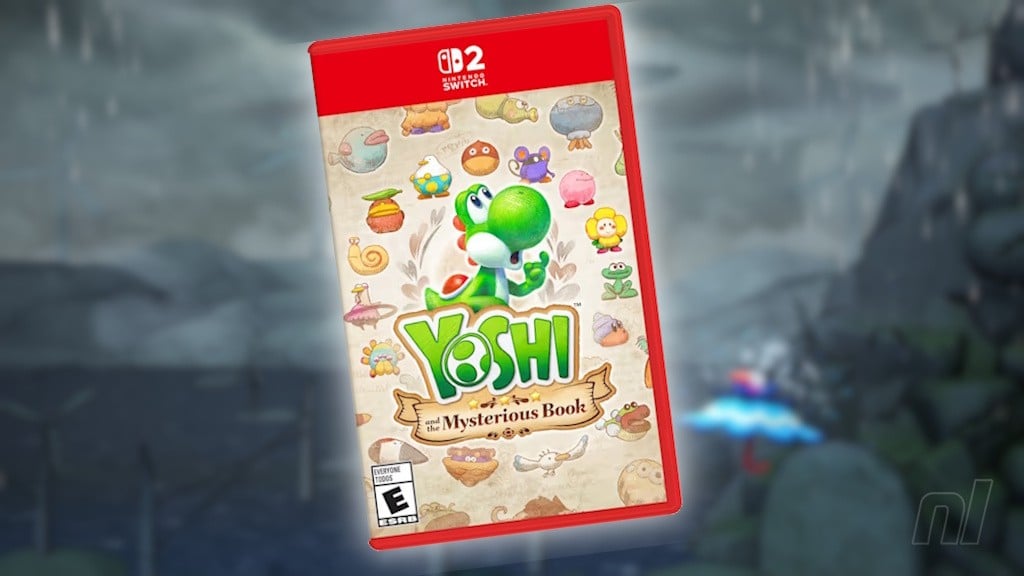
Nintendo of America announced that first-party Switch 2 eShop titles will have a different MSRP than physical releases, starting with Yoshi and the Mysterious Book at $59.99 (digital) vs $69.99 (physical) — a $10 gap. The change aligns US pricing with the UK/EU/Japan practice since the Switch 2 launch in June 2025 (e.g., Mario Kart World £66.99 digital vs £74.99 physical; Donkey Kong Bananza £58.99 vs £66.99) and is justified by Nintendo as reflecting production/distribution cost differences. Nintendo says retailers may set their own prices and the policy appears to apply to first-party Switch 2 titles only, likely nudging consumer demand toward digital with modest negative pressure on physical retail margins and limited near-term market impact.
This regional shift toward meaningful digital/physical price dispersion will accelerate structural margin pressure on brick-and-mortar and general merch retailers that still rely on boxed-game sales as a loss-leader to drive store traffic. If digital share of first-party console revenue increases by 10–15 percentage points over 12–24 months, expect a 1–2% revenue hit for diversified retailers and a much larger (10%+) top-line shock for specialty retailers concentrated in new physical SKU turnover; that shock compounds through lower in-store impulse sales and reduced used-game flows that fuel secondary margins.
Cloud and platform infrastructure providers stand to capture the second-order upside: increased digital consumption raises demand for CDN, entitlement, DRM and telemetry services where Azure and AWS have scale advantages. A 5–10% rise in platform-hosted downloads and DLC purchases can translate into high-margin recurring revenue and gross margin expansion for infra providers over 2–3 fiscal quarters, particularly if publishers lean into live-service mechanics to offset lower physical attach.
Counterparty dynamics matter: large e-tailers can blunt the impact by pivoting to digital card allocations, promotional bundling, and marketplace arbitrage, which compresses ASP but preserves share. Key downside catalysts that would reverse the trend include aggressive retailer price-matching, a Nintendo pullback/clarification or headline supply-chain constraints (e.g., cartridge shortages) that make physical scarce and keep collectors paying premiums; those scenarios could re-flatten pricing within 3–9 months.
AI-powered research, real-time alerts, and portfolio analytics for institutional investors.
Request DemoOverall Sentiment
mixed
Sentiment Score
0.05
Ticker Sentiment
