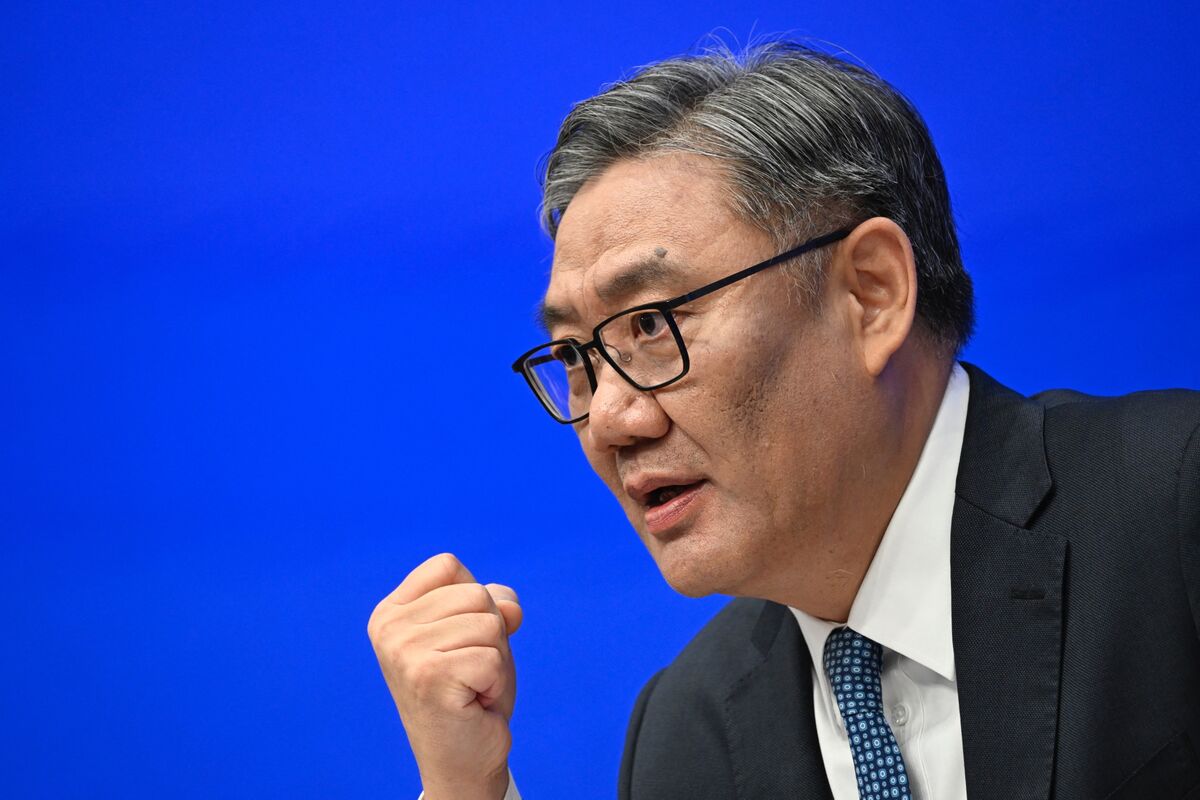
China's Commerce Minister Wang Wentao has urged Chinese companies operating in the U.S. to avoid price wars, signaling Beijing's commitment to preserving the fragile trade truce with Washington. This directive, communicated to representatives from firms in e-commerce, telecommunications, and auto parts, underscores China's strategic effort to de-escalate trade tensions and foster a more stable bilateral economic environment.
The Chinese Ministry of Commerce has explicitly directed its companies operating in the United States to avoid engaging in price wars, a significant policy signal aimed at preserving the current 'fragile trade truce' with Washington. This directive, issued by Commerce Minister Wang Wentao to representatives from key sectors including e-commerce, telecommunications, and auto parts, suggests a strategic shift from aggressive market-share acquisition to fostering a more stable bilateral economic environment. The move can be interpreted as a proactive effort by Beijing to de-escalate trade tensions and potentially preempt future US regulatory actions or tariffs against what could be perceived as predatory pricing. This cautious tone underscores China's intent to manage its economic relationship with the US carefully, prioritizing stability over disruptive competitive tactics in sensitive industries.
AI-powered research, real-time alerts, and portfolio analytics for institutional investors.
Request DemoOverall Sentiment
mildly positive
Sentiment Score
0.25
