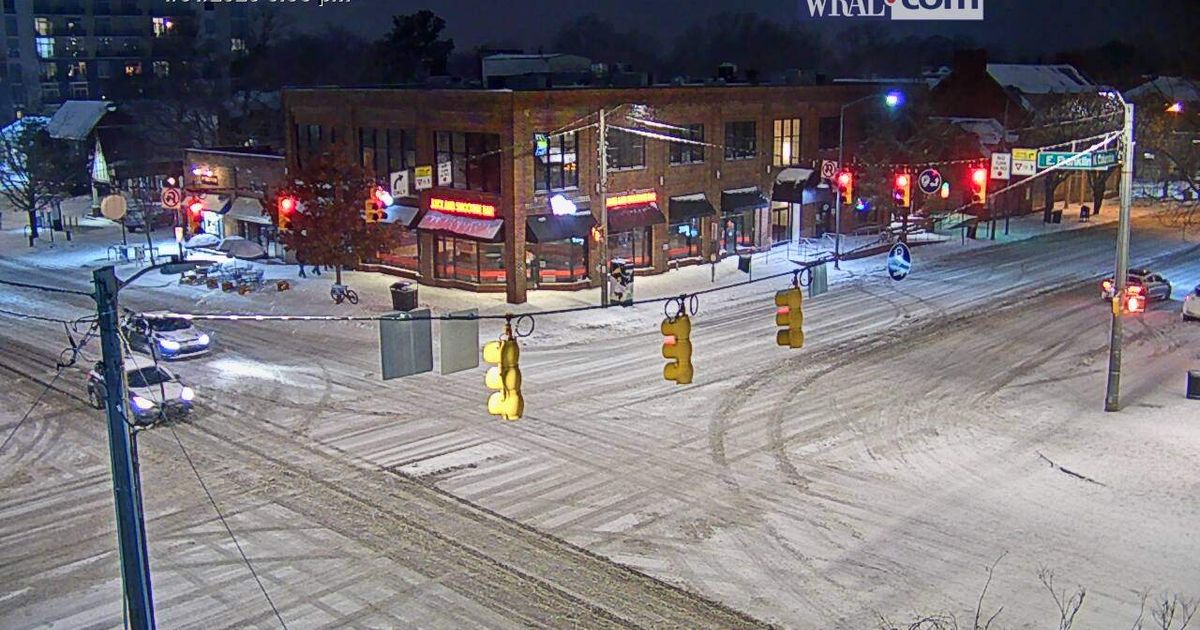
A winter storm is impacting central North Carolina with forecasted accumulations of 3–6 inches and localized totals up to 10 inches; the Triangle is expected to see up to 3 inches. As of peak reporting, state figures included roughly 2,223 power outages, about 176 flight cancellations at RDU (with many additional delays), 245 local business/school/church closures, deployment of over 300 National Guard personnel and NCDOT placing more than 5,500 tons of salt; several jurisdictions opened shelters and suspended services. The event is causing meaningful short‑term disruption to regional transportation, retail and utility operations (including a postponed NASCAR event), but is unlikely to materially move broader financial markets.
Market structure: Short, localized winter storms like this create winners in salt producers, home-improvement retailers (HD), and short-term contractor labor (tree crews); losers are distribution-heavy utilities (DUK) and regional travel providers (RDU/short-haul airlines) because gusts to ~30 mph and thousands of outages (2,223 reported; RDU ~176 cancellations) drive incremental O&M and customer-rideout costs. Pricing power shifts short-term toward emergency suppliers (salt, generators) while regulated utilities absorb costs initially but can seek recovery through future riders; spot demand for heating power lifts near-term load but is unlikely to change seasonal fuel curves materially.
Risk assessment: Tail risks include a multi-day widespread outage (>72 hours) triggering regulatory investigations, accelerated vegetation-management scrutiny, or large storm-related CapEx overruns that could pressure earnings for a quarter or two. Immediate window (0–7 days): flight/retail disruption and localized margin pressure for utilities; weeks–months: repair costs and potential rate-case conversations; quarters–years: long-term cost recovery mitigates permanent harm unless regulatory penalties occur. Hidden dependencies: contractor availability, insurance claim backlog, and diesel/transport fuel availability can amplify costs.
Trade implications: Tactical defensive trades—hedge DUK exposure with limited-cost options (60-day put spreads) and take small longs in salt suppliers/HD for a 2–6 week lift; consider a relative-value pair short DUK vs long NextEra (NEE) or Southern Co (SO) to isolate distribution risk. Use options to cap downside—buy 60-day DUK 5% OTM puts and finance by selling 12% OTM puts (size 0.5–1% portfolio). Entry/exit: initiate within 3 trading days; trim or close within 4–8 weeks unless outage data deteriorates.
Contrarian angle: Consensus negativity toward DUK may be overdone—regulated rate base usually allows cost pass-through, so meaningful permanent impairment is low absent regulatory action; a >5% stock drop in 7 days is a buy-the-dip signal for long-dated recovery exposure (6–12 months). Conversely, if outage counts exceed 10k or major regulatory probes start within 30 days, convert hedges to outright long-dated puts and widen short exposure.
AI-powered research, real-time alerts, and portfolio analytics for institutional investors.
Request DemoOverall Sentiment
mildly negative
Sentiment Score
-0.25
Ticker Sentiment
