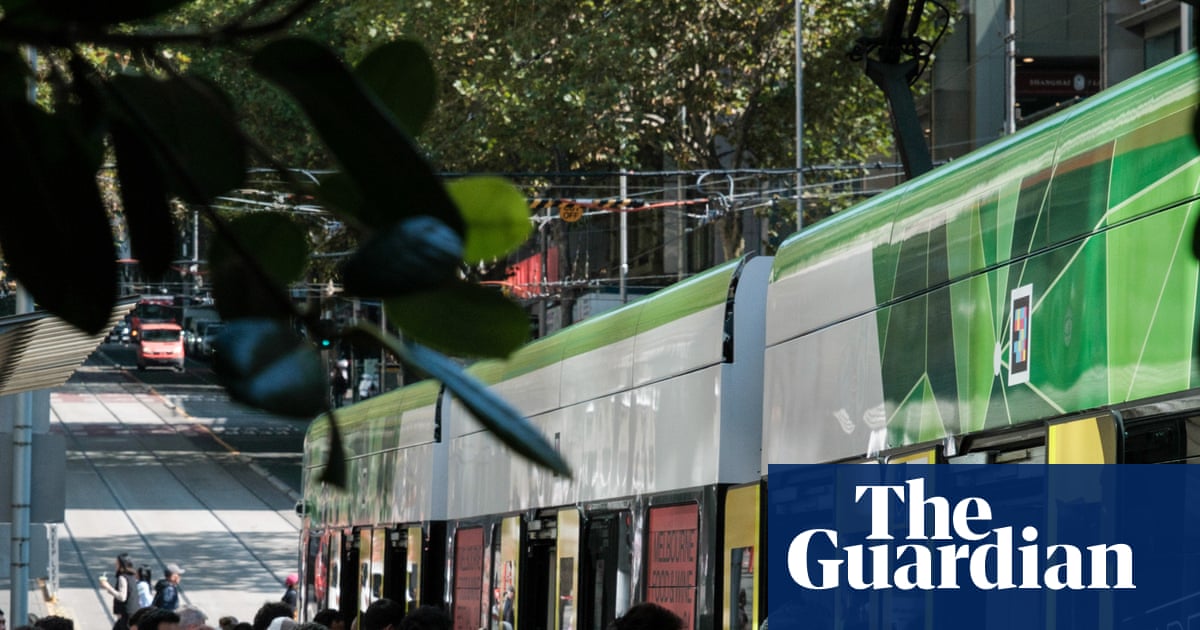
Unleaded petrol has risen ~A$1/l to ~A$2.60 since February and diesel is up ~A$1.50/l to ~A$3.20 over the past six weeks. States are piloting or temporarily offering free bus, tram and train travel (Victoria’s one-month policy cost cited at ~A$71m) as a quick cost-of-living measure, but experts warn benefits skew to wealthier inner-city households and mode shift from cars is limited. Analysts argue the same funds could yield broader, longer-term gains by expanding services to underserved areas, electrifying bus fleets, and using renewable energy, and note potential policy conflict with federal fuel subsidies.
This policy debate is really about budget prioritization: short-term fare relief transfers cash to incumbent riders while crowding out capital spending that would create structurally lower operating costs (electrified fleets, renewables-backed charging). The marginal dollar delivered as a temporary subsidy buys near-term political capital but has low elasticity of car-to-transit switching in outer suburbs; expect measured mode-shift <5% in 6–12 months unless paired with service expansion or fuel supply shocks.
Second-order winners are suppliers to network expansion and electrification (rolling stock OEMs, traction electrification, grid upgrades) if governments reallocate future budgets; losers are farebox-dependent transit operators and aftermarket auto/retail fuel exposures if governments sustain free fares without fleet capex—operators face rising subsidy volatility and potential deferred maintenance. A fiscal pivot toward capital projects would concentrate upside into a 12–36 month window for industrials, while an operational-subsidy-only path prolongs demand weakness for electrification suppliers.
Key catalysts to watch: state budget announcements and line-item changes for transport capex (weeks–months), election timing (months), and sustained movements in pump prices or fuel availability (days–weeks) that could force larger modal shifts. Tail risk: a coordinated federal-state decision to favor broad fuel subsidies instead of transit investment would blunt both short-term ridership gains and long-term electrification demand, reversing the industrial beneficiaries case within 3–9 months.
AI-powered research, real-time alerts, and portfolio analytics for institutional investors.
Request DemoOverall Sentiment
mixed
Sentiment Score
0.00
