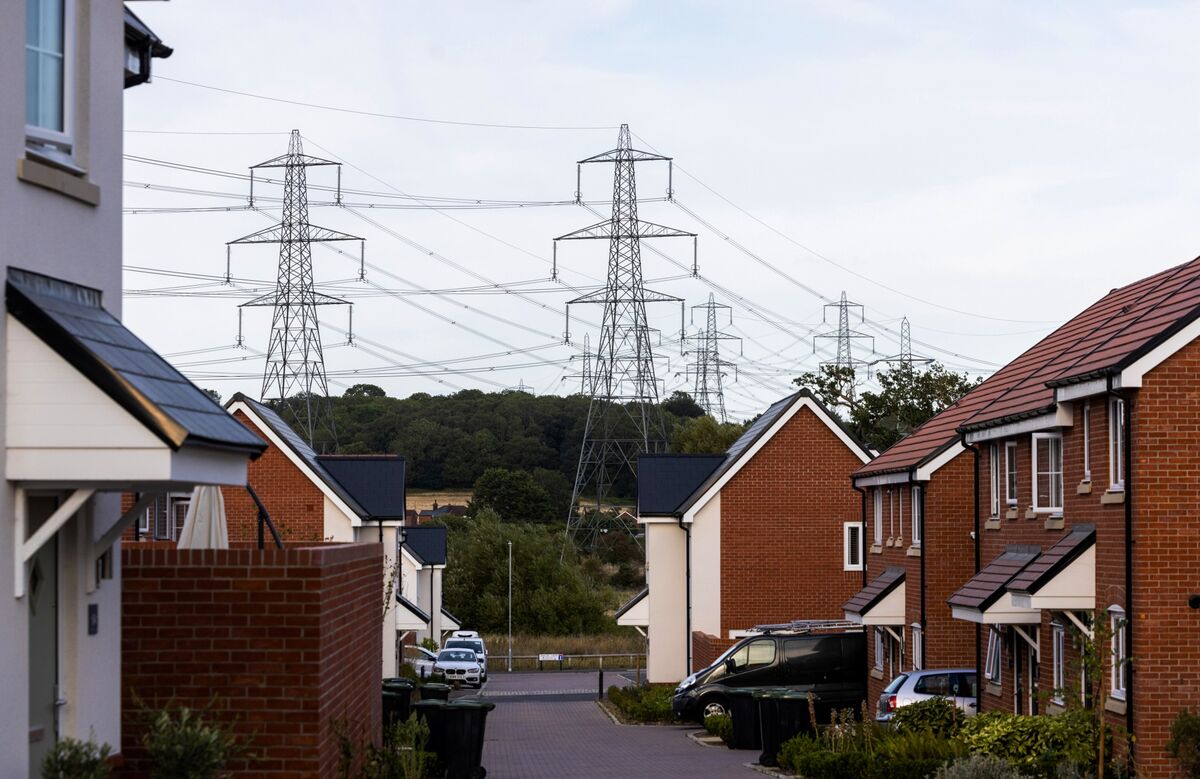
The UK will cut average household energy bills by about £150 (≈$198) by reducing green levies that fund renewable electricity and abolishing a scheme that financed home efficiency upgrades, a move aimed at easing consumer bills even as wholesale gas and power prices fall. The policy reduces support for renewables and shifts funding burdens for grid and policy costs, and sits alongside Labour’s promise to cut bills by £300 over the parliament by relying on cheaper renewable generation—an outcome with implications for utilities, renewable developers and fiscal policy.
Market structure: The £150/household cut (~£4.2bn if applied to ~28m UK households) re-allocates cost from consumers to the public purse and directly benefits retail suppliers (larger customer bases) and consumer-oriented sectors while squeezing revenue pools for subsidy-dependent renewables and retrofit contractors. Expect short-term margin relief for large suppliers but downward pressure on valuation multiples of small pure-play renewables and energy-efficiency installers by 10–25% if subsidy flows are permanently reduced.
Risk assessment: Tail risks include a wholesale gas price spike (adds >£50–£100/household in months), a political re-reversal if fiscal pressure rises, or legal/contractual disputes that re-instate costs to consumers; these could move related equities ±20–40%. Immediate effects (days–weeks) are sentiment-driven; meaningful cashflow impact for developers and installers appears over quarters–years because project revenues and capex plans will be re-priced and delayed.
Trade implications: Directionally, long large integrated/retail suppliers (e.g., Centrica CNA.L), short small-cap subsidy-dependent renewables (e.g., Greencoat GRP.L) and compress UK short-term inflation breakevens by 10–25bps (sell 3–12m ILG exposure). FX/gilts: modest GBP appreciation (0.5–1%) and 5–20bp downward pressure on near-term real yields if CPI impact shows in next 1–3 prints.
Contrarian angle: The market may under-appreciate that cuts are politically-timed and reversible — if wholesale prices rebound or a future government restores targeted support, subsidy-dependent names can re-rate quickly (historical re-pricing in 12–24 months after 2015–16 UK subsidy changes). Unintended consequences include slower retrofit demand, higher unemployment in installers and concentrated credit stress for small developers, creating takeover targets at 30–50% discounts.
AI-powered research, real-time alerts, and portfolio analytics for institutional investors.
Request DemoOverall Sentiment
mixed
Sentiment Score
0.00
