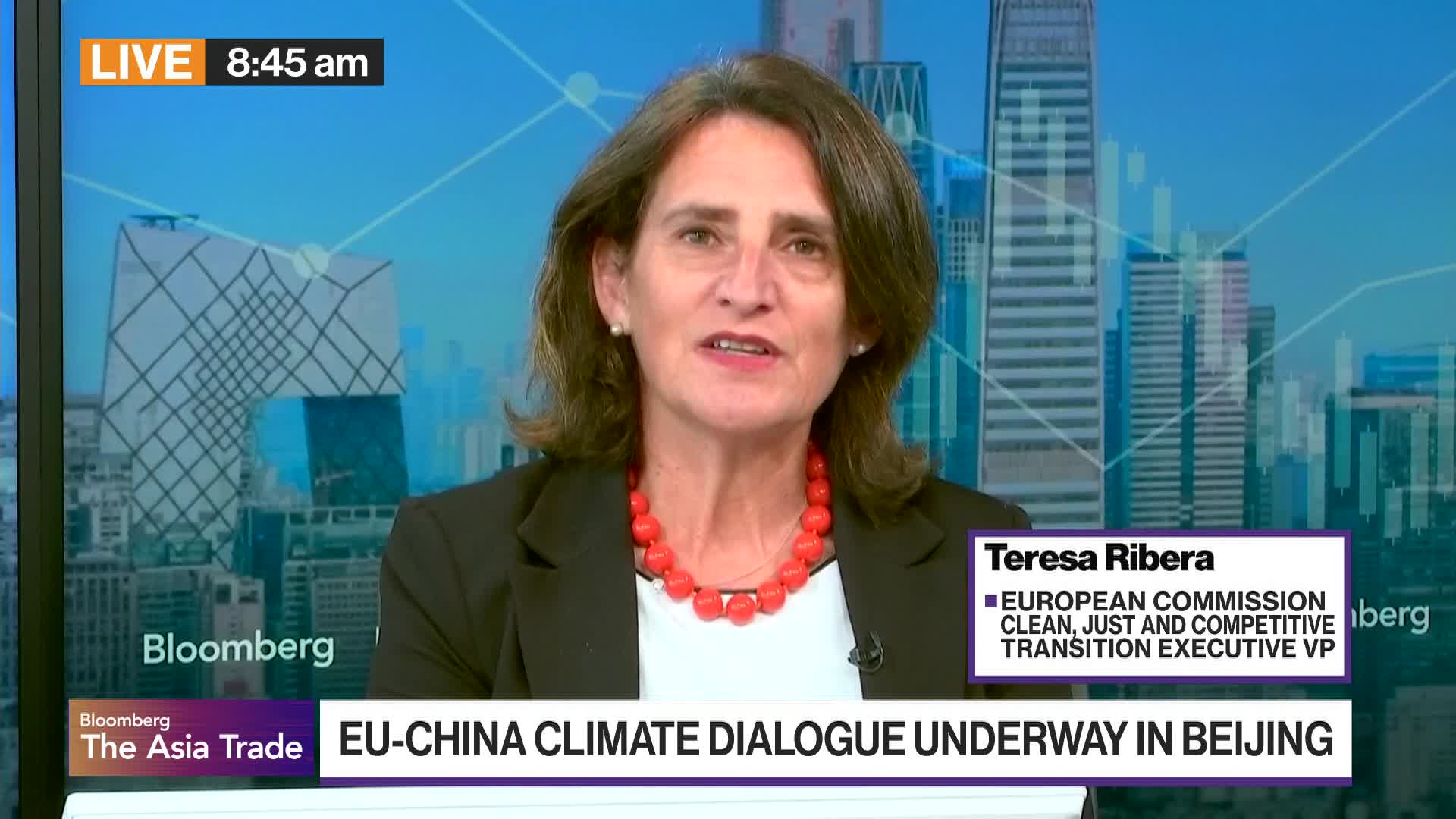
The European Union, through Executive Vice President Teresa Ribera, is actively pursuing deeper trade agreements with India and other Asia-Pacific nations. This strategic pivot is a direct response to anticipated US tariffs from the US, indicating the EU's proactive measures to diversify its trade relationships and mitigate potential economic impacts.
The European Union is signaling a significant strategic pivot in its international trade policy, directly responding to the threat of forthcoming US tariffs. According to European Commission Executive Vice President Teresa Ribera, the bloc is actively pursuing deeper trade agreements with India and other Asia-Pacific nations as a defensive measure. This proactive diversification strategy is designed to mitigate the potential economic impact of transatlantic trade friction and reduce dependency on the US market. The move underscores a potential realignment of global trade flows, where the EU is strengthening economic partnerships in Asia to counterbalance protectionist pressures from the United States. While the catalyst is negative, the market's moderately positive sentiment suggests this defensive maneuver is viewed as a prudent step to de-risk European trade and fortify supply chains.
AI-powered research, real-time alerts, and portfolio analytics for institutional investors.
Request DemoOverall Sentiment
moderately positive
Sentiment Score
0.30
