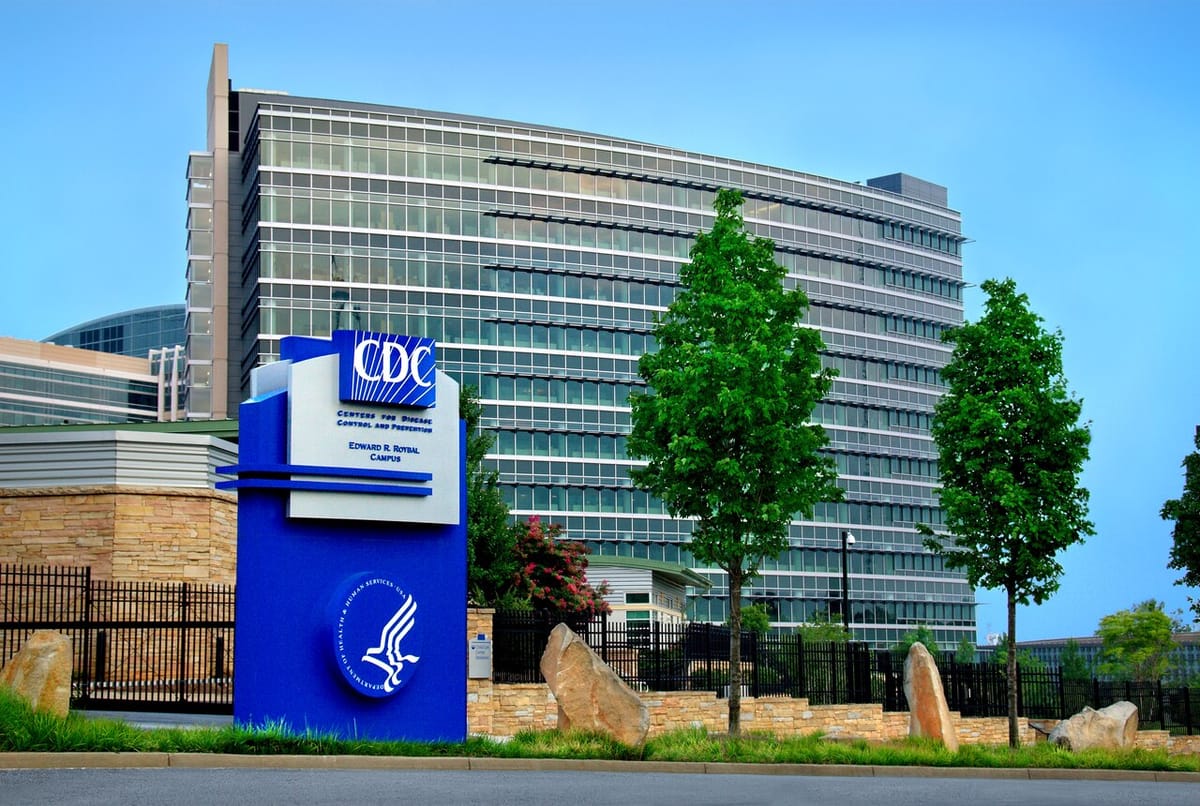
An audit in Annals of Internal Medicine found that in 2025 nearly 46% of 82 CDC surveillance databases experienced delays or cessations in new data, with 87% of affected systems monitoring vaccination topics and most offline for more than six months as of late October; only one paused database had been updated by December 2025. Researchers link the lapses to federal staff and budget cuts and policy changes under HHS leadership, warning that compromised surveillance undermines evidence-based decision making, risks delayed outbreak responses, and raises policy, operational and reputational risk for agencies and organizations that depend on real-time public-health data.
Market structure: The CDC audit implies ~38 of 82 federal health feeds (46%) stalled—an immediate demand shock for real-time public health intelligence. Winners are private health-data vendors, IT integrators and government contractors (IQV, LDOS, BAH, PLTR) who can capture follow-on contracts and pricing power; losers include parts of pharma reliant on public vaccination campaigns (MRNA, PFE, JNJ) and health systems/insurers (UNH, CVS) that depend on surveillance to triage care. Expect 6–18 month reallocation of federal spend from in-house to contracted analytics, supporting 10–30% incremental revenue upside for targeted vendors if even a minority of paused feeds are outsourced.
Risk assessment: Tail risks include major infectious outbreaks undetected for months (operational risk) or new federal rules restricting private data flows (regulatory). Immediate (days–weeks) market moves will be muted; short-term (1–3 months) volatility around contractor RFPs and HHS budget releases; long-term (12–36 months) structural shift toward privatized surveillance. Hidden dependencies: state procurement cycles, Medicaid reimbursements, and contractor security clearances can delay revenue recognition by 3–9 months. Catalysts: emergency appropriations, high-profile outbreaks, or whistleblower revelations could accelerate contracting.
Trade implications: Favor overweight allocs to health-data vendors and GovTech contractors and underweight direct vaccine revenue exposure. Use concentrated longs in IQV (+LDOS/BAH) sized 2–4% of portfolio, and tactical call spreads on PLTR to express increased gov demand with capped downside. Hedge pharma tails with 3–6 month puts sized to 30–50% of nominal exposure; add 1–2% allocation to short-duration Treasuries or T-bills as policy-uncertainty insurance.
Contrarian angles: Consensus focuses on “erosion of public trust” and broad healthcare selloffs; the market may underprice multi-year outsourcing that follows data blackouts. Historical parallels: post-9/11 and post-H1N1 saw durable growth in private biodefense and analytics spend—this could produce 15–40% multi-year upside in select contractors. Unintended consequences: faster privatization raises counterparty/concentration risk (single-supplier dependency)—size positions with 10–12% stop-loss discipline.
AI-powered research, real-time alerts, and portfolio analytics for institutional investors.
Request DemoOverall Sentiment
moderately negative
Sentiment Score
-0.50
