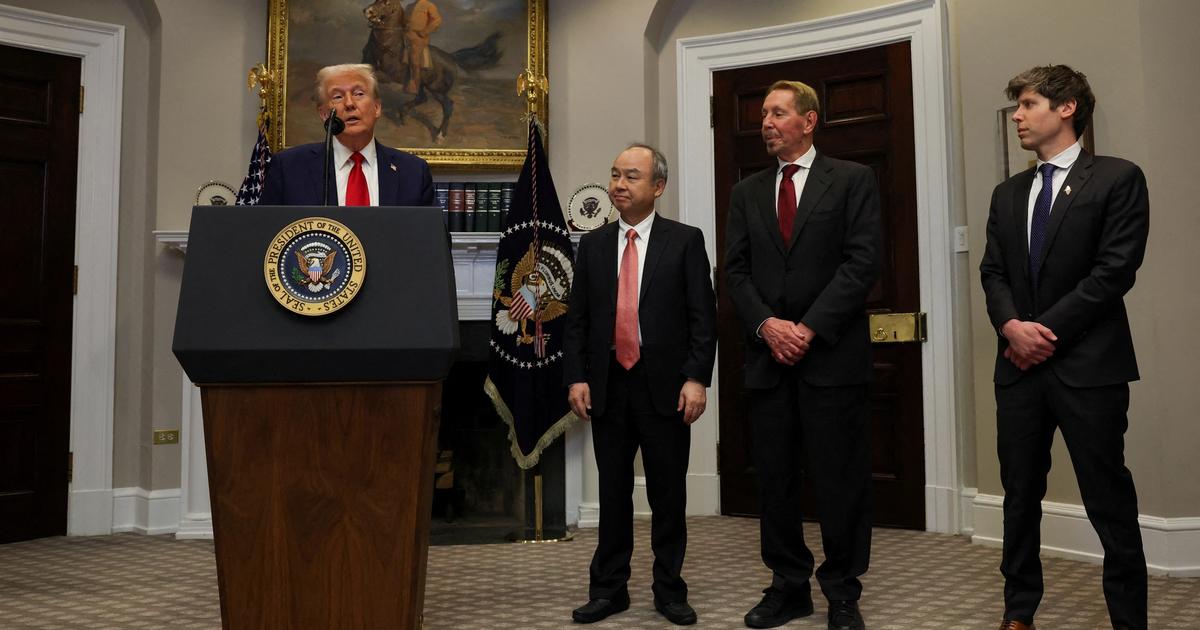
Major AI developments in the past year included widespread adoption of multimodality and test-time compute across leading models (e.g., DeepSeek R1, Google Gemini 2.5 Pro, Alibaba Qwen3, Anthropic Claude Opus 4), aggressive data acquisition deals, and national infrastructure initiatives (Stargate and the AI Action Plan). Market dislocations included January’s DeepSeek launch, which reportedly erased nearly $600 billion from Nvidia’s market cap in one day, while the sector saw rapid uptake of AI-powered developer tools and a rise in circular funding that has stoked bubble concerns; regulatory and political attention has increased, particularly around AI in insurance and the Trump administration’s tech priorities.
Market structure: Cheap Chinese models (DeepSeek) and data owners (META, BABA) are immediate winners—they gain pricing power on model access and inference workloads—while high-end training GPU demand (NVDA) faces near-term pressure as customers delay training CAPEX. The shift to test‑time compute favors cloud and inference accelerator vendors and increases demand for lower-cost, high-volume silicon; expect training GPU spot utilization to fall 10–30% over 3–6 months while inference-capable accelerators rise.
Risk assessment: Tail risks include sudden regulatory actions (US export controls, EU data restrictions) or a funding unwind from circular financing that could cut venture liquidity and drop AI valuations 30–60% in a stress scenario. Near-term (days–weeks) risk = NVDA IV-driven volatility; medium (3–9 months) = model adoption metrics and enterprise procurement; long (1–3 years) = architectural transition away from large GPU farms and data‑licensing fragility.
Trade implications: Tactical trades should exploit volatility and relative value—short-term hedges on NVDA via defined-risk put spreads and reallocate into META/BABA exposure to capture data/moat premium; rotate from pure GPU hardware to software, cloud, and inference-accelerator names. Entry windows: act on IV >55% for option sells or on >10% NVDA moves for pair trades; hold structural longs 6–12 months.
Contrarian angles: The market is likely over-discounting NVDA’s long-term monopoly on highest‑end training—historically, hardware cycles re-price then rebound (2000s server cycle). If NVDA drops >25% from peak, that dislocation becomes a high‑probability buy; conversely, cheap-model hype may be overextended absent enterprise SLAs and data contracts that take 6–12 months to prove out.
AI-powered research, real-time alerts, and portfolio analytics for institutional investors.
Request DemoOverall Sentiment
mixed
Sentiment Score
0.05
Ticker Sentiment
