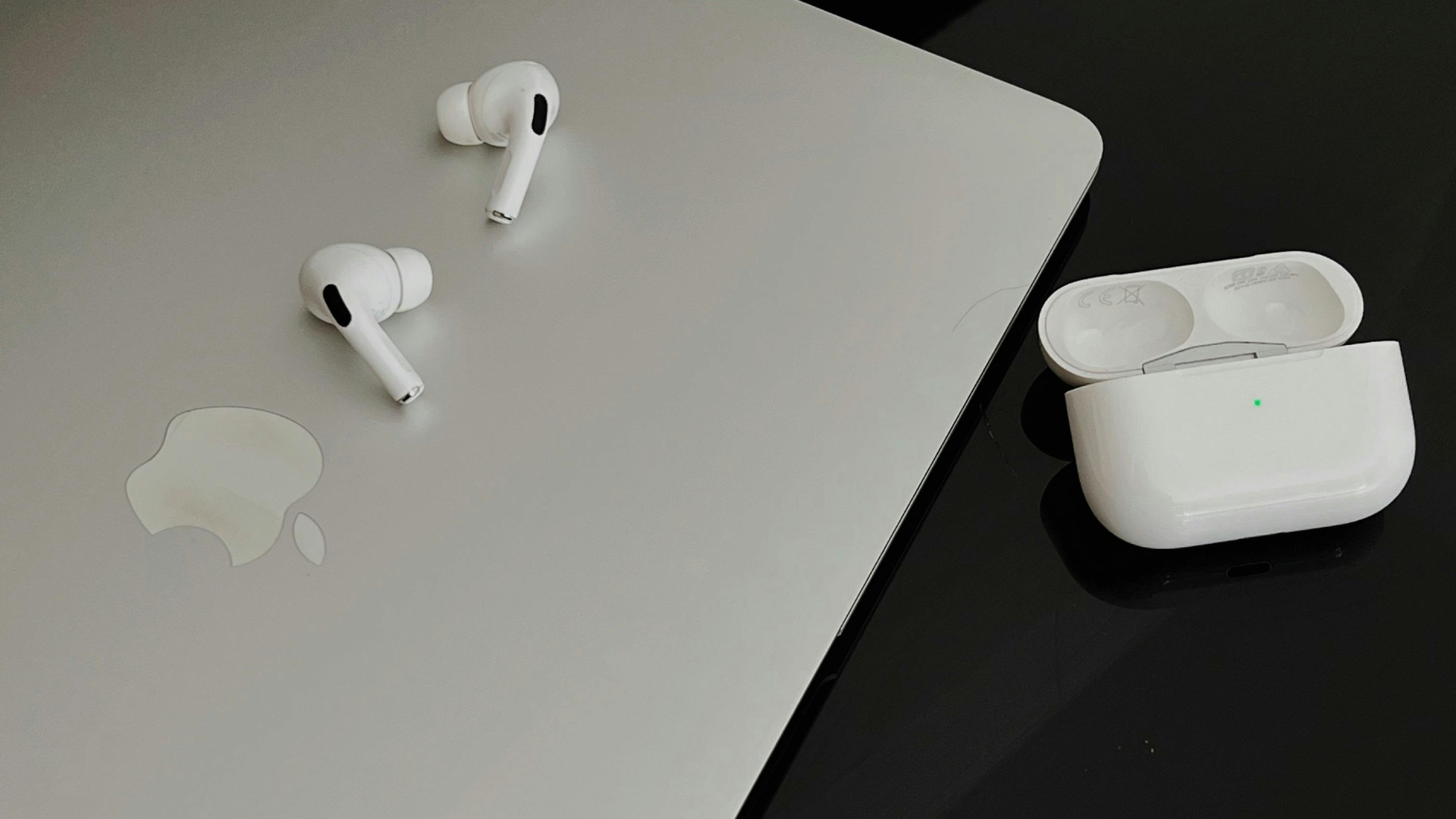
Apple has released the AirPods Pro 3 as its latest premium wireless earbuds, touting improved active noise cancellation, adaptive audio, spatial audio integration and premium pricing in line with prior Pro models, with broad retail availability. Uncertainty persists because Apple has not clarified whether this is the final variant for the generation; third-party reports suggest a higher-end camera-equipped model with infrared sensors, AI-driven visual intelligence and possible gesture controls that could command a higher price. Ongoing ambiguity around feature rollouts, health-tracking accuracy and upgrade guidance for existing owners is driving heightened consumer searches and could affect upgrade cycles and near-term demand visibility for Apple’s audio segment.
Market structure: Apple (AAPL) benefits most — premium AirPods Pro 3 extension preserves ASPs and services attachment; suppliers of image sensors and AI chips (e.g., Sony SNE, QCOM) stand to gain if a camera/Visual Intelligence variant ships, while commodity earbud makers (basic Bluetooth OEMs) and lower-margin audio brands risk share loss. Pricing power increases only modestly: expect a $20–$80 incremental ASP on a camera variant, preserving gross margins if component costs rise <10% and volume uplift is +5–10% within 2–4 quarters. Cross-asset: modest positive for high-yield tech credit and equities; bond yields unaffected unless Apple signals large capex; USD likely stable, options IV on AAPL may tick up around product events by 10–20% intraday.
Risk assessment: Tail risks include privacy/regulatory pushback (EU/US privacy fines), a supplier bottleneck for IR cameras (constraining volume by >20%), or a failed health-tracking claim triggering warranty/legal costs — each could shave 3–8% off AAPL EPS in a single quarter. Time horizons: watch immediate (days) for sentiment swings on leaks, short-term (weeks–months) for preorder/sales data and supplier bookings, long-term (quarters) for ecosystem monetization and upgrade cycles. Hidden dependencies include required iOS features and installed base upgrade cadence; a slow iOS adoption rate (>30 days lag) could blunt software-driven features.
Trade implications: Direct: establish a tactical 2–3% long in AAPL on pullback >3% ahead of Apple’s next product event (likely within 30–90 days); hedge with a 3-month collar if downside risk >5%. Pair: long SNE (image sensors) vs short a small-cap audio OEM ETF or headphones maker if public — expect relative outperformance of 5–15% over 3–9 months if camera variant ships. Options: buy 3-month AAPL call spreads (e.g., 5–10% OTM) funded by selling 1–2 month OTM calls to monetize expected IV reversion; target cost <1.5% notional.
Contrarian angles: Consensus overweights feature risk; the market underappreciates that a camera variant may be niche (10–15% of unit sales) but lift ASPs and services revenue by $0.5–$1.0/quarter per share over 2–4 quarters — historical parallel: Apple Watch premium SKUs expanded margins without cannibalizing base. Conversely, adoption could be slower if privacy sentiment turns negative; set a stop-loss: cut AAPL add if downgrade/major regulator action within 60 days or if supplier revenue guidance falls >10% sequentially.
AI-powered research, real-time alerts, and portfolio analytics for institutional investors.
Request DemoOverall Sentiment
neutral
Sentiment Score
0.00
Ticker Sentiment
